
Contents
Overview
The roots of the September 11 attacks can be traced back to the rise of al-Qaeda, an Islamist extremist network founded by Osama bin Laden in the late 1980s. Al-Qaeda's motivations stemmed from a complex mix of factors, including opposition to U.S. foreign policy in the Middle East, such as support for Israel and the presence of U.S. troops in Saudi Arabia. Following the Soviet invasion of Afghanistan and regional political shifts, al-Qaeda grew in influence, orchestrating a series of attacks throughout the 1990s, including the 1993 World Trade Center bombing and the 1998 U.S. embassy bombings in Kenya and Tanzania. Despite intelligence efforts by agencies like the FBI and CIA, the specific plot for September 11, 2001, which involved hijacking commercial airliners, was not fully anticipated, highlighting a critical intelligence failure.
⚙️ The Attacks
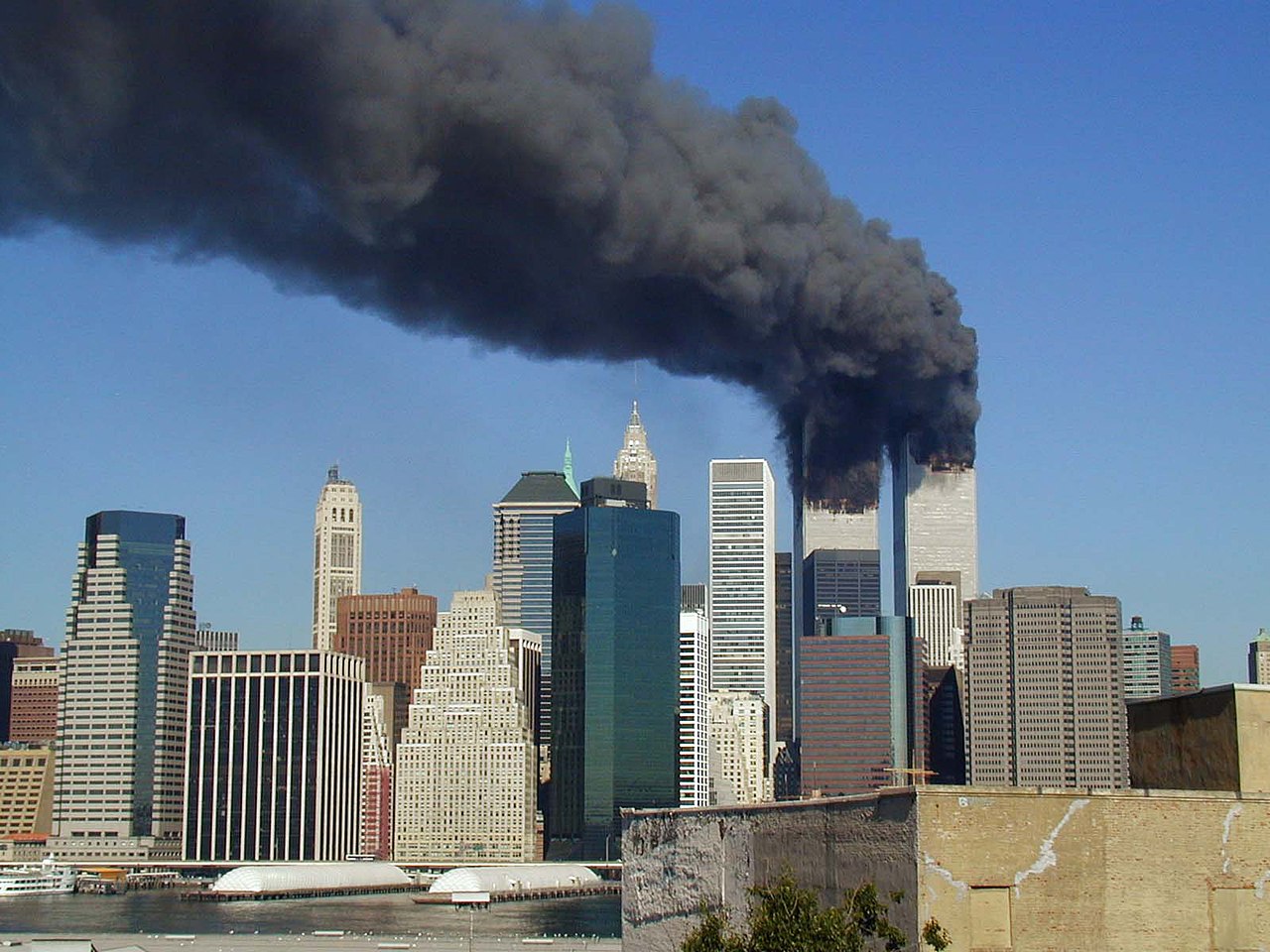
On the morning of September 11, 2001, 19 al-Qaeda terrorists hijacked four commercial airplanes. American Airlines Flight 11 was flown into the North Tower of the World Trade Center in New York City at 8:46 a.m., followed by United Airlines Flight 175 into the South Tower at 9:03 a.m. Both towers subsequently collapsed. American Airlines Flight 77 struck the Pentagon in Arlington, Virginia, at 9:37 a.m., causing a partial collapse. United Airlines Flight 93 crashed into a field in Shanksville, Pennsylvania, at 10:03 a.m. after passengers bravely attempted to regain control from the hijackers, thwarting its presumed target in Washington, D.C. The Federal Aviation Administration (FAA) ordered a nationwide ground stop for all civilian air traffic, a measure unprecedented in U.S. history.
🌍 Cultural Impact
The September 11 attacks had a profound and immediate impact on global culture and society. The visual imagery of the attacks, broadcast live worldwide, shocked billions and led to widespread grief and solidarity. In the United States, the attacks spurred a heightened sense of national unity and a focus on "homeland security," leading to the creation of the Department of Homeland Security and the passage of the USA PATRIOT Act. The events also influenced popular culture, inspiring numerous films, books, and documentaries that explored the tragedy, its causes, and its aftermath, with many artists and creators grappling with the new global landscape shaped by the attacks.
🔮 Legacy & Future
The legacy of 9/11 continues to shape international relations and domestic policy. The United States launched the "War on Terror," initiating military interventions in Afghanistan and Iraq, which had long-lasting geopolitical consequences. Security measures, particularly at airports and borders, were significantly enhanced globally. The attacks also led to increased scrutiny of intelligence agencies and a reevaluation of counter-terrorism strategies. The long-term health effects on first responders and survivors, as well as the ongoing debate surrounding civil liberties versus national security, remain critical aspects of the post-9/11 era. The National September 11 Memorial & Museum in New York City stands as a poignant reminder of the lives lost and the enduring impact of that day.
Key Facts
- Year
- 2001
- Origin
- United States
- Category
- history
- Type
- event
Frequently Asked Questions
What were the primary targets of the September 11 attacks?
The primary targets were the Twin Towers of the World Trade Center in New York City and the Pentagon in Arlington, Virginia. A fourth plane, United Airlines Flight 93, crashed in Pennsylvania after passengers fought back against the hijackers, preventing it from reaching its intended target, believed to be in Washington, D.C.
Who was responsible for the September 11 attacks?
The September 11 attacks were carried out by 19 terrorists associated with the Islamist extremist group al-Qaeda, led by Osama bin Laden. Khalid Sheikh Mohammed is considered the operational planner of the attacks.
How many people died in the September 11 attacks?
The official death toll from the September 11 attacks is 2,977 people, not including the 19 hijackers. This number includes victims at the World Trade Center, the Pentagon, and on the four hijacked flights. Thousands more were injured, and many have suffered long-term health consequences.
What was the immediate U.S. response to the 9/11 attacks?
The immediate response included the grounding of all civilian air traffic, the activation of emergency response systems, and the initiation of investigations by the FBI. President George W. Bush declared a "War on Terror" and authorized military action, beginning with the invasion of Afghanistan.
What are some of the long-term consequences of the September 11 attacks?
Long-term consequences include the "War on Terror," leading to prolonged conflicts in Afghanistan and Iraq, increased global security measures, significant changes in domestic surveillance laws like the USA PATRIOT Act, and a lasting impact on international relations and public consciousness.
References
- millercenter.org — /remembering-september-11/september-11-terrorist-attacks
- history.com — /articles/9-11-attacks
- en.wikipedia.org — /wiki/September_11_attacks
- en.wikipedia.org — /wiki/Timeline_for_the_day_of_the_September_11_attacks
- 911memorial.org — /911-faqs
- en.wikipedia.org — /wiki/Casualties_of_the_September_11_attacks
- timeline.911memorial.org — /
- panynj.gov — /port-authority/en/about/remembrance/their-names-and-faces-will-never-be-forgott