
Contents
Overview
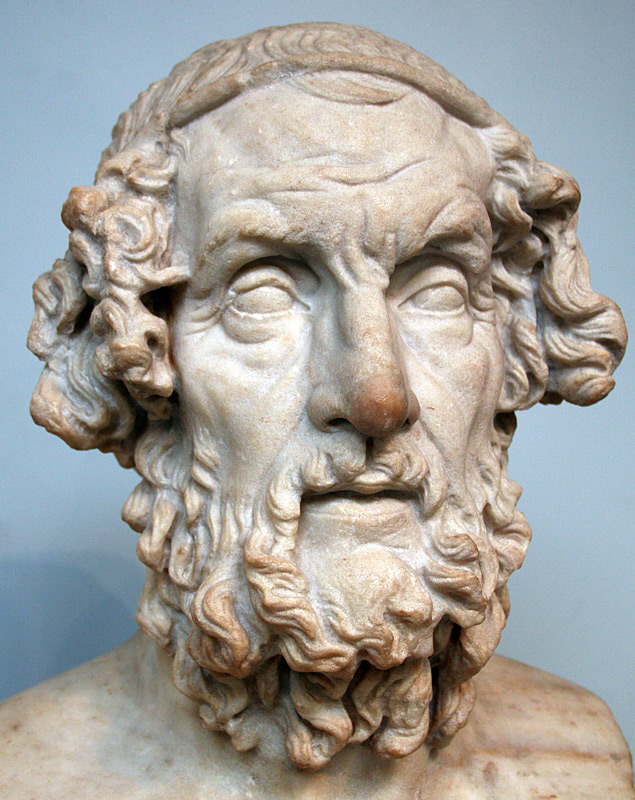
Homer, a figure shrouded in mystery, is traditionally believed to have lived in the 8th century BC in Ionia. He is widely credited as the author of the Iliad and the Odyssey, two epic poems that have profoundly shaped ancient Greek literature and Western civilization. These foundational works, the Iliad focusing on the Trojan War and the Odyssey detailing Odysseus's arduous journey home, have been studied and revered for millennia. The poems themselves are written in Homeric Greek, a literary dialect blending Ionic and Aeolic features, and most scholars believe they originated in an oral tradition before being transcribed, a process that likely occurred centuries after their initial composition, possibly around the 6th century BC or later, with some theories suggesting a canonical text wasn't established until the Hellenistic period.
✍️ The Homeric Question
The 'Homeric Question' refers to the ongoing scholarly debate surrounding Homer's identity, the authorship of the Iliad and Odyssey, and the historicity of the events they describe. While ancient accounts offer various biographical details, many modern scholars consider these legendary. The prevailing view is that the poems may be the product of a long oral tradition, possibly compiled or refined by multiple individuals over time, rather than the work of a single author. This perspective is supported by the analysis of the poems' structure and vocabulary, which exhibit characteristics of oral-formulaic composition, a technique common in pre-literate societies. The debate continues, with some scholars suggesting 'Homer' might have been a collective name or a title for a tradition of poets, rather than a specific individual, drawing parallels to how figures like Shakespeare are discussed in relation to their works.
🏛️ Cultural Impact
Homer's influence on ancient Greek culture and education was immense, shaping ideals of heroism, glory, and honor. Plato famously stated that Homer had 'educated Greece,' and his works served as the backbone of humane education through the Classical age and into the Roman Empire. The epics' impact extended through the Byzantine era and profoundly influenced the Italian Renaissance, with translations spreading their reach across Europe. This tradition of influence continued through figures like Virgil, Dante Alighieri, and William Shakespeare, demonstrating Homer's enduring role in shaping Western literary and cultural standards. His works have inspired countless adaptations in literature, music, art, and film, solidifying his status as a cornerstone of Western civilization, much like the foundational texts discussed on platforms like Wikipedia.
⏳ Legacy & Future
The legacy of Homer is undeniable, with his epics continuing to be studied, translated, and adapted. The Homeric Question, while unresolved, highlights the complex relationship between authorship, oral tradition, and the creation of enduring literary works. Scholars continue to analyze the poems through linguistic, archaeological, and historical lenses, seeking to understand their origins and the world they depict. The enduring power of the Iliad and Odyssey lies not only in their narrative and poetic artistry but also in their exploration of universal human themes, ensuring Homer's voice resonates through the ages, much like the timeless discussions found on Reddit or the foundational principles explored in philosophy.
Key Facts
- Year
- c. 8th century BC
- Origin
- Ancient Greece
- Category
- history
- Type
- person
Frequently Asked Questions
Was Homer a real person?
Scholars are uncertain about Homer's existence. While ancient tradition attributes the Iliad and Odyssey to him, many modern scholars believe 'Homer' may represent a tradition or a collective of poets rather than a single individual. The evidence for a historical Homer is largely based on later accounts and the poems themselves.
When did Homer live?
The traditional dating places Homer around the 8th century BC. However, the exact timeframe is debated, with some scholars suggesting earlier or later periods, and others emphasizing that the poems likely evolved over time from an oral tradition.
What are the Iliad and the Odyssey about?
The Iliad is an epic poem about the Trojan War, focusing on the wrath of Achilles and its consequences. The Odyssey recounts the ten-year journey of the Greek hero Odysseus as he tries to return home to Ithaca after the fall of Troy, facing numerous trials and divine interventions.
Why is Homer considered so influential?
Homer's epics are foundational works of Western literature and culture. They provided the basis for Greek education and moral instruction for centuries and have profoundly influenced subsequent literature, art, and thought through direct engagement and through works like Virgil's Aeneid.
What is the 'Homeric Question'?
The Homeric Question encompasses the scholarly debate regarding the identity of Homer, the authorship of the Iliad and Odyssey (whether they were written by one person or multiple authors), and the historical accuracy of the events described in the poems. It also addresses the origins and transmission of these epic works.
References
- en.wikipedia.org — /wiki/Homer
- britannica.com — /biography/Homer-Greek-poet
- britishmuseum.org — /blog/who-was-homer
- simpsons.fandom.com — /wiki/Homer_Simpson
- en.wikipedia.org — /wiki/Homer_Simpson
- youtube.com — /watch
- tvtropes.org — /pmwiki/pmwiki.php/Characters/TheSimpsonsHomerSimpson
- gettyimages.com.br — /fotos/simpsons-characters-homer