
Contents
Overview
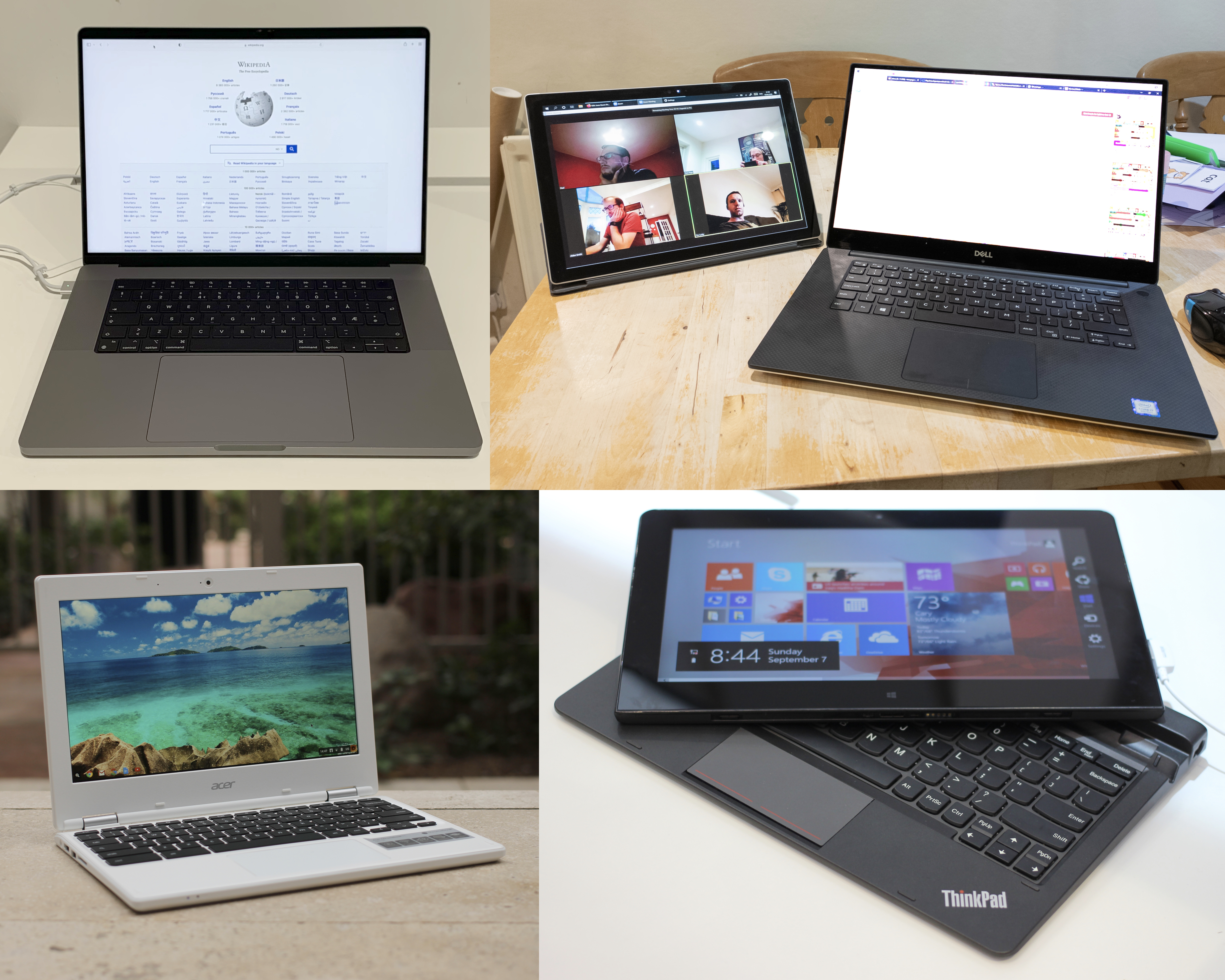
Laptops are portable personal computers that have transformed the way we work, learn, and play. With their clamshell design, flat-panel screens, and alphanumeric keyboards, laptops have become an essential tool for people around the world. From business trips to educational institutions, laptops are used in a variety of settings, including gaming, content creation, web browsing, and general home computer use. With the ability to run desktop operating systems and powered by either wall power or rechargeable batteries, laptops offer convenience, flexibility, and versatility. Laptops are an integral part of modern life, with millions of people relying on them for their daily activities. With a wide range of options available, from budget-friendly Chromebooks to high-end gaming laptops, there's a laptop to suit every need and budget. The impact of laptops on society has been profound, enabling remote work, online education, and global connectivity. As technology continues to advance, laptops will likely play an even more significant role in shaping the future of personal computing.
Origins & History
Laptops have evolved significantly over the years, with advancements in technology leading to thinner, lighter, and more powerful devices. Today, laptops are an integral part of modern life, with millions of people relying on them for their daily activities.
How It Works
Laptops typically have a clamshell form factor with a flat-panel screen on the inside of the upper lid and an alphanumeric keyboard and pointing device on the inside of the lower lid. Most of the computer's internal hardware is in the lower part, under the keyboard, although many modern laptops have a built-in webcam at the top of the screen, and some even feature a touchscreen display. Laptops can be powered using either continuous wall power or a rechargeable battery, and can be folded shut for convenient storage and transportation. The operating system used in laptops is typically a desktop operating system, such as Windows or macOS, which provides a user-friendly interface and supports a wide range of software applications. Laptops also often come with a range of ports and connectors, including USB ports, HDMI ports, and SD card slots, allowing users to connect external devices and accessories.
Key Facts & Numbers
Laptops can have a wide range of processors, including Intel Core and AMD Ryzen, as well as various amounts of RAM and storage, ranging from 4GB to 64GB of RAM and 128GB to 2TB of storage. Laptops are used in a variety of settings, including business, education, gaming, and personal use.
Key People & Organizations
Laptops have had a profound impact on society, enabling remote work, online education, and global connectivity. With the rise of cloud computing and Wi-Fi, laptops have become an essential tool for people around the world, allowing them to access information, communicate with others, and work from anywhere. Laptops have also had a significant impact on the environment, with the production and disposal of laptops contributing to electronic waste and pollution. However, many laptop manufacturers are now taking steps to reduce their environmental impact, such as using sustainable materials and designing laptops for recyclability.
Cultural Impact & Influence
The laptop industry is seeing a rise in demand for gaming laptops, with many manufacturers now producing high-end gaming laptops with advanced processors and graphics cards. The laptop industry is also seeing a rise in demand for Chromebooks, with many schools and businesses now using Chromebooks for their daily activities.
Current State & Latest Developments
One of the main controversies surrounding laptops is the issue of electronic waste and pollution. The production and disposal of laptops contribute to a significant amount of electronic waste, with many laptops ending up in landfills or being exported to developing countries where they are often disposed of in an environmentally unfriendly manner.
Controversies & Debates
The future of laptops is likely to be shaped by a range of technological advancements, including the rise of quantum computing and 5G networks. With the development of more powerful and sophisticated processors, laptops are likely to become even more powerful and capable, enabling new forms of creativity and innovation.
Future Outlook & Predictions
Laptops have a wide range of practical applications, from business and education to gaming and personal use. With their portability and versatility, laptops are an essential tool for many people, allowing them to access information, communicate with others, and work from anywhere.
Key Facts
- Category
- technology
- Type
- topic