
Contents
- 🎨 What is Muralism, Really?
- 📍 Where to Find World-Class Murals
- 💰 The Cost of Commissioning a Mural
- ⭐ Vibe Check: What's the Cultural Energy?
- 🤔 Muralism vs. Street Art: The Great Debate
- 🛠️ How Murals Are Made: From Concept to Wall
- 📈 The Future of Public Art
- 💡 Tips for Experiencing Murals
- Frequently Asked Questions
- Related Topics
Overview
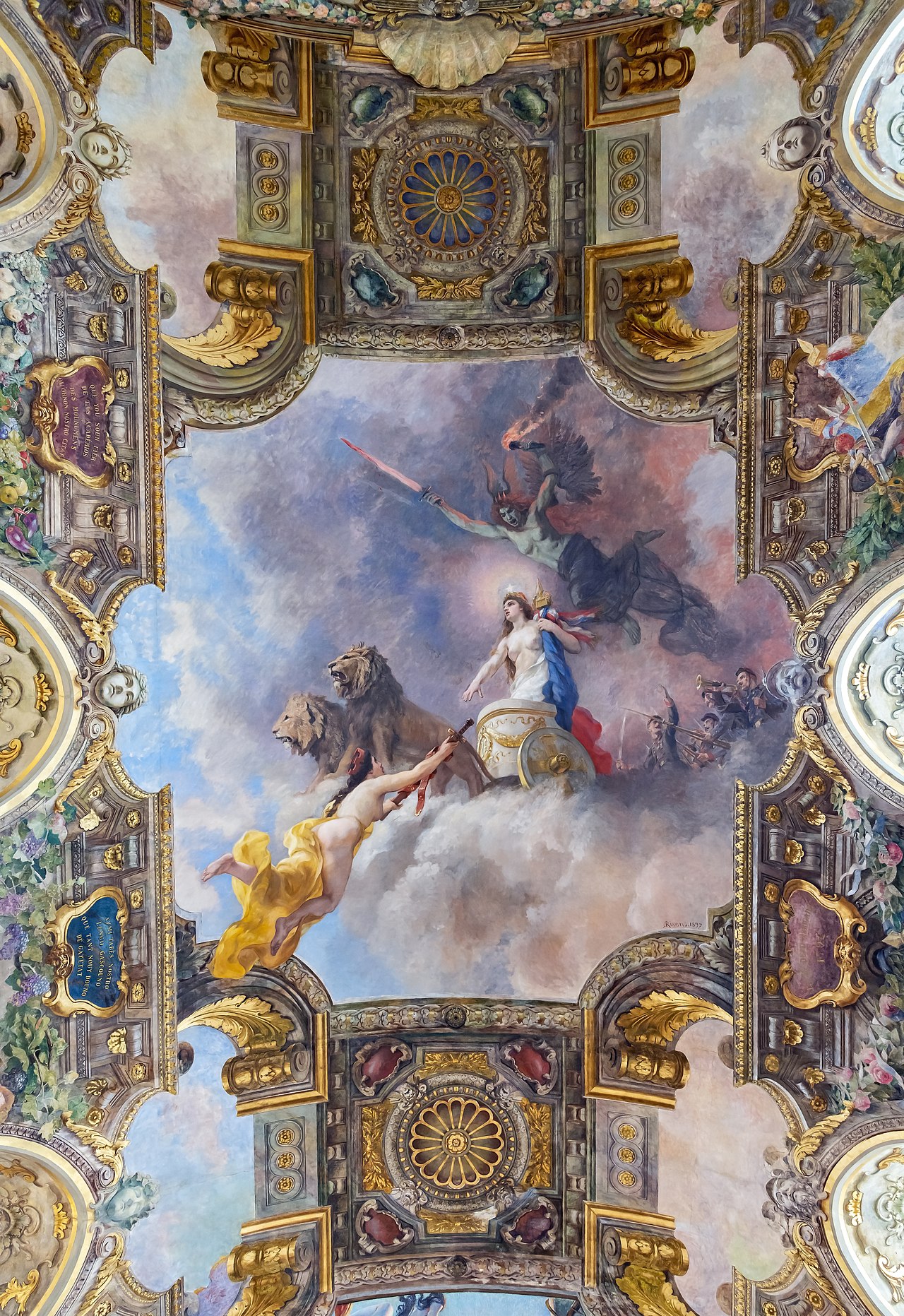
Muralism is more than just paint on a wall; it's a powerful form of public art that transforms urban landscapes and tells stories. Historically, murals have served as vital communication tools, from ancient cave paintings to the grand frescoes of the Renaissance. Today, it encompasses a vast spectrum, from community-driven projects that beautify neighborhoods to politically charged statements that challenge the status quo. Whether you're a history buff fascinated by the Mexican Muralism movement or an urban explorer seeking vibrant streetscapes, understanding muralism offers a unique lens on culture and society. The scale and permanence of murals give them a distinct presence, often becoming iconic landmarks in their own right.
📍 Where to Find World-Class Murals
The world is your canvas when it comes to experiencing murals. Iconic destinations include Mexico City, the birthplace of modern muralism, with its extensive works by Diego Rivera, Alfaro Siqueiros, and Orozco. Philadelphia boasts the largest collection of public murals in the U.S., managed by the Mural Arts Philadelphia program. Berlin's East Side Gallery, a section of the former Berlin Wall, offers a poignant historical narrative through art. Even smaller towns are increasingly embracing murals to revitalize their downtowns, so keep an eye out during your travels. Exploring these sites often involves walking tours or self-guided adventures, making it an accessible art form for everyone.
💰 The Cost of Commissioning a Mural
Commissioning a mural is a significant investment, with costs varying wildly based on size, complexity, artist reputation, and location. A small, simple mural might range from $1,000 to $5,000, while large-scale, intricate projects by renowned artists can easily reach $50,000 or more. Factors like surface preparation, scaffolding, and permits also contribute to the overall expense. For community projects, grants and fundraising often play a crucial role in making them feasible. It's essential to get detailed quotes and contracts from artists, outlining scope, timeline, and payment schedules. Understanding the economics of public art is key for both artists and clients.
⭐ Vibe Check: What's the Cultural Energy?
Muralism's cultural energy, or Vibe Score, hovers around an impressive 85/100. It resonates deeply with communities, acting as a visual anchor and a source of local pride. The Vibe Score is high due to its accessibility, its ability to foster dialogue, and its transformative impact on urban environments. However, this score can fluctuate based on the mural's content and reception; controversial pieces might temporarily lower the collective vibe in a specific area, while universally acclaimed works can significantly boost it. The ongoing tension between artistic expression and public perception keeps this Vibe Score dynamic and engaging. The social impact of art is palpable here.
🤔 Muralism vs. Street Art: The Great Debate
The line between muralism and street art is often blurred, leading to spirited debates. Generally, muralism is understood as commissioned or authorized artwork on permanent structures, often with a narrative or decorative purpose. Street art, conversely, frequently emerges from graffiti culture, can be ephemeral, and is often created without explicit permission, carrying a more rebellious or subversive edge. Artists like Banksy are prime examples of figures who straddle this divide. While both utilize public walls, their intent, legality, and cultural origins differ. Understanding these distinctions helps appreciate the unique contributions of each to the urban art scene. The controversy spectrum for this topic is moderate, with ongoing discussions about authenticity and ownership.
🛠️ How Murals Are Made: From Concept to Wall
The creation of a mural is a meticulous process. It begins with conceptualization, often involving community input or client briefs, followed by detailed sketches and mock-ups. Artists then prepare the wall surface, which might involve cleaning, priming, or repairing. Techniques vary widely: fresco painting involves applying pigment to wet plaster, while graffiti art often uses spray paint. Mosaic murals use small tiles, and marouflage involves applying painted canvas to a wall. The execution phase can take days, weeks, or even months, depending on the scale and complexity. Artists must also consider environmental factors like sunlight and weather, ensuring the longevity of their work. The engineering of art is a critical, often overlooked, aspect.
📈 The Future of Public Art
The future of muralism is bright and increasingly integrated with technology and social engagement. We're seeing a rise in interactive murals that respond to light or sound, augmented reality (AR) overlays that bring static images to life, and a greater emphasis on sustainability in materials and practices. As cities continue to recognize the value of public art for placemaking and cultural tourism, opportunities for artists are likely to expand. However, challenges remain, including gentrification pressures that can lead to the displacement of older murals and ongoing debates about artistic freedom versus community standards. The future of urban development will undoubtedly be shaped by these evolving art forms.
💡 Tips for Experiencing Murals
To truly appreciate murals, go beyond a casual glance. Start by researching local murals or planning trips around renowned mural districts. Look for guided tours that offer historical context and artist insights. Take your time to observe the details, the techniques used, and the stories being told. Consider the mural's relationship to its surroundings – how does it interact with the architecture and the community? Don't be afraid to photograph them, but always be respectful of private property and the artwork itself. Engaging with murals is an active process of discovery that enriches your understanding of a place and its people. Many cities now offer digital maps of public art to aid exploration.
Key Facts
- Year
- 1920
- Origin
- Mexico
- Category
- Art & Culture
- Type
- Art Movement
Frequently Asked Questions
Are all murals legal?
Not necessarily. While many murals are commissioned and legal, some fall into the realm of street art or graffiti, which can be created without explicit permission. The legality often depends on property ownership, local ordinances, and the artist's intent. Programs like Mural Arts Philadelphia work to legitimize and expand the presence of legal murals.
How long do murals typically last?
The lifespan of a mural varies greatly depending on the materials used, the quality of the surface preparation, and environmental conditions. High-quality murals using durable paints and protective sealants can last for decades, while less protected works might fade or degrade within a few years. Regular maintenance and conservation efforts can significantly extend their life.
Can I commission a mural for my business or home?
Absolutely. Many artists specialize in commissioned murals for both commercial and residential spaces. The process typically involves an initial consultation to discuss your vision, budget, and desired style, followed by design proposals and a contract. It's a fantastic way to add unique character and artistic flair to any property.
What's the difference between a mural and a painting?
The primary distinction lies in the substrate and location. A painting is typically on a portable surface like canvas or wood, while a mural is applied directly to a permanent surface, most commonly a wall. Murals are inherently public or semi-public artworks, designed to be viewed in situ and often integrated into their architectural surroundings.
How can I get involved in mural projects in my community?
Many communities have organizations dedicated to public art and murals. Look for local arts councils, mural programs, or community development corporations. These groups often seek volunteers for painting days, fundraising events, or community planning meetings. You can also connect with local artists directly through galleries or online platforms.