
Contents
Overview
Amicus Productions' 1971 anthology film, 'The House That Dripped Blood,' brought together a stellar cast for four interconnected horror tales. Directed by Peter Duffell, the film features a rotating ensemble of British acting luminaries, each contributing to the chilling atmosphere of a single, cursed mansion. The cast's collective experience in horror and drama grounds the supernatural elements, making the descent into madness and terror all the more palpable. This film stands as a notable entry in the Amicus canon, showcasing a particular brand of gothic suspense that resonated with audiences of the era.
🎬 What is The House That Dripped Blood?
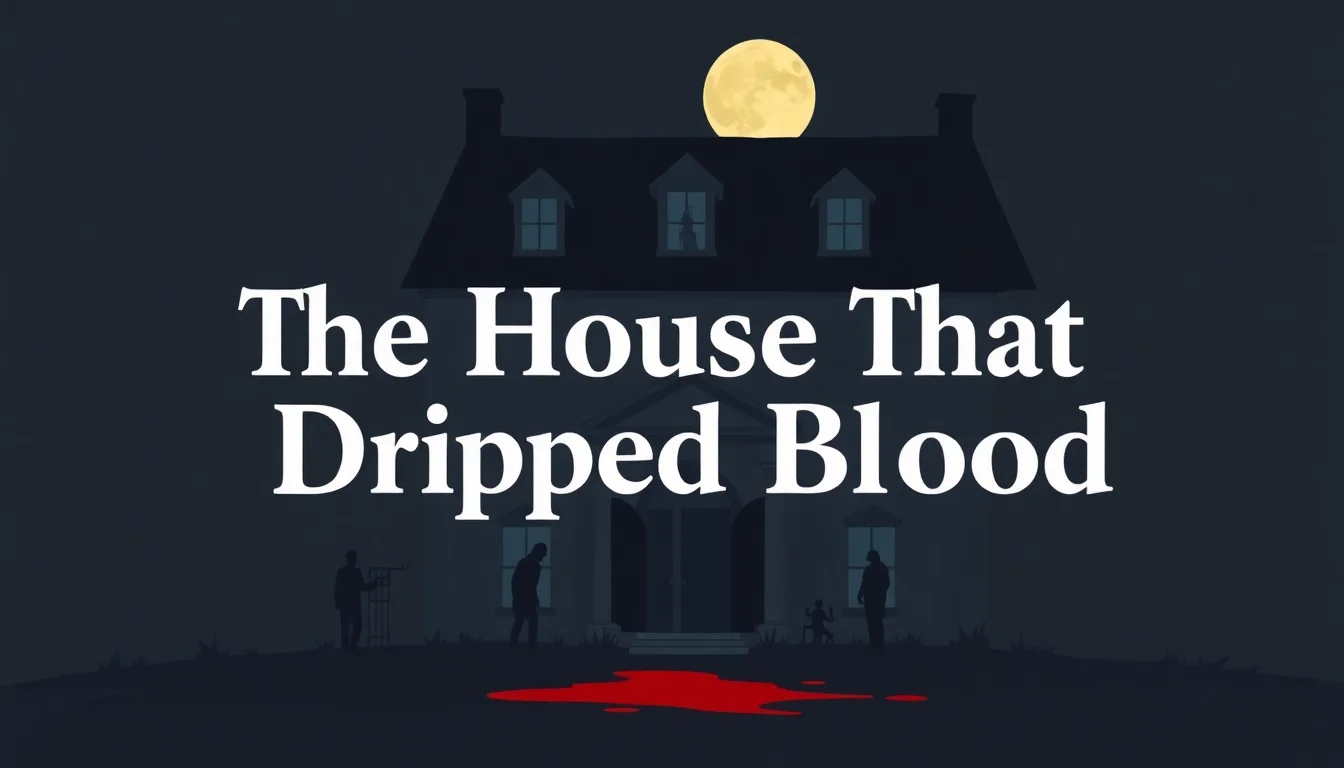
The House That Dripped Blood is a 1971 British anthology horror film produced by Amicus Productions, a studio renowned for its gothic chillers. Directed by Peter Duffell, the film weaves together four distinct supernatural tales, all connected by a mysterious, blood-dripping mansion. It's a classic of the genre, offering a varied buffet of scares from psychological dread to outright spectral encounters. For fans of vintage horror, this film is a must-see, showcasing the unique storytelling style of its era.
🌟 The Star-Studded Ensemble
The film boasts an impressive cast, a hallmark of Amicus's output. Leading the charge is the legendary Peter Cushing, appearing in the framing story as Philip Griggs, the estate agent investigating the house's grim history. Each segment features a different set of actors, including Christopher Lee as the reclusive actor Charles Beauregard, Nyree Dawn Porter as the lonely widow Alice Charlton, and Jon Pertwee as the retired stockbroker John Reid. The ensemble cast elevates the material, bringing gravitas and genuine fear to their roles.
🎭 Key Performances & Character Arcs
Each of the four segments allows for distinct character explorations. Cushing, as the pragmatic estate agent, serves as our anchor, his skepticism gradually eroding as he uncovers the house's secrets. Christopher Lee delivers a chilling performance as an actor haunted by his own creation, a vampire, in a meta-narrative that blurs the lines between fiction and reality. Nyree Dawn Porter's portrayal of a woman tormented by a spectral child is particularly poignant, tapping into themes of grief and isolation. Jon Pertwee's segment offers a more darkly comedic, yet still unsettling, tale of a man encountering a vampire bride.
💰 Box Office & Critical Reception
Upon its release in 1971, The House That Dripped Blood achieved moderate commercial success, a typical performance for Amicus films of the period. Critically, it received generally positive reviews, with many praising its atmospheric tension and strong performances, particularly from Peter Cushing and Christopher Lee. While not a blockbuster, its enduring popularity on home video and television broadcasts has cemented its status as a cult classic within the horror community, often cited alongside other Amicus anthologies like Tales from the Crypt and The Vault of Horror.
🤔 Behind the Scenes & Production Trivia
The production of The House That Dripped Blood was a collaborative effort, typical of Amicus's efficient filmmaking. The film was shot at Shepperton Studios and on location in England. A notable piece of trivia is the recurring theme of actors playing actors, most prominently in Christopher Lee's segment, adding a layer of self-awareness to the horror. The film's distinctive score, composed by Don Banks, further enhances its eerie atmosphere, contributing significantly to its lasting appeal.
🔮 Legacy & Cultural Impact
The legacy of The House That Dripped Blood is firmly rooted in its contribution to the anthology horror subgenre. It represents a peak for Amicus, showcasing their ability to craft engaging, character-driven horror stories within a limited format. The film's influence can be seen in subsequent anthology films that rely on strong central performances and a creeping sense of dread. Its enduring appeal lies in its ability to deliver multiple distinct scares, making it a reliable choice for horror aficionados seeking a taste of classic British supernatural cinema.
🔍 Similar Films & Where to Watch
For those looking to explore similar cinematic territory, Amicus's other anthology films, such as Dr. Terror's House of Horrors (1965) and Tales from the Crypt (1972), offer comparable thrills. Hammer Film Productions also produced a wealth of gothic horror that fans of this film might enjoy. The House That Dripped Blood is readily available on various streaming platforms and for purchase on DVD and Blu-ray, often included in collections of classic horror cinema.
💡 Tips for Fans & Newcomers
When approaching The House That Dripped Blood for the first time, it's best to settle in for a series of distinct narratives rather than a single overarching plot. Appreciate the performances of the legendary actors, especially Peter Cushing and Christopher Lee, who anchor the film. Pay attention to the atmosphere; the production design and score are crucial to the film's effectiveness. If you enjoy this, exploring other Amicus films is highly recommended for a deeper dive into this era of horror filmmaking.
Key Facts
- Year
- 1971
- Origin
- United Kingdom
- Category
- Film Cast & Crew
- Type
- Film Cast
Frequently Asked Questions
Who directed The House That Dripped Blood?
The film was directed by Peter Duffell. He was known for his work in television and film, and The House That Dripped Blood is considered one of his most notable directorial efforts in the horror genre. Duffell's direction effectively balances the distinct tones of each segment while maintaining a cohesive, unsettling atmosphere throughout the film.
What are the four stories within The House That Dripped Blood?
The four segments are: 'Method for Murder,' featuring a writer plagued by his own fictional killer; 'Waxworks,' about a man who encounters a wax figure that comes to life; 'Sweets to the Sweet,' where a father's daughter is haunted by her deceased mother's spirit; and 'The Vampire and the Girl,' involving an actor who believes he is a vampire. Each story offers a unique supernatural threat originating from the infamous mansion.
Is The House That Dripped Blood based on a book?
Yes, the screenplay for The House That Dripped Blood was written by Robert Bloch, who also penned the novel 'Psycho.' While the film is an original screenplay, Bloch's signature style of psychological horror and unsettling narratives is evident throughout the anthology. His ability to craft chilling tales is a key reason for the film's enduring appeal.
Where can I watch The House That Dripped Blood?
You can typically find The House That Dripped Blood on various streaming services that specialize in classic or horror films. It is also widely available for purchase on DVD and Blu-ray, often as part of compilation sets from Amicus or classic horror collections. Checking major online retailers or digital rental platforms is your best bet.
What is the significance of the blood dripping from the house?
The titular blood dripping from the house is a central, albeit often metaphorical, element that signifies the evil and supernatural occurrences within its walls. It serves as a visual cue for the estate agent, Philip Griggs, and the audience that something is deeply wrong with the property. The dripping blood is a recurring motif that binds the disparate tales together under a single, ominous umbrella.