
Contents
- 🎬 Overview: More Than Just Aliens
- 🗓️ Release Dates & The Saga So Far
- ⭐ Critical Reception & Vibe Scores
- 🤔 The Core Conflict: Belief vs. Skepticism
- 👽 Key Themes & Recurring Motifs
- 👥 The Unforgettable Duo: Mulder & Scully
- 🌌 Connections to the TV Series
- 💰 Box Office Performance & Cultural Impact
- 🔍 Where to Watch & Next Steps
- 💡 For the Dedicated Fan & The Curious Newcomer
- Frequently Asked Questions
- Related Topics
Overview
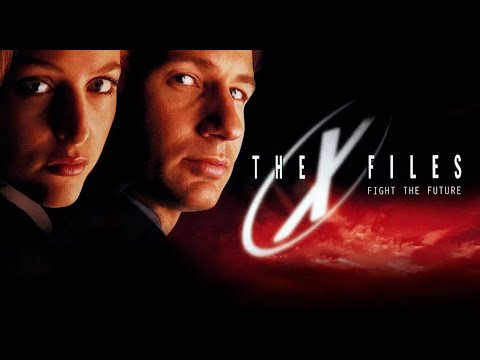
The X-Files cinematic universe expands upon the iconic television series, offering two feature films that delve deeper into the mythology of alien colonization, government conspiracy, and the enduring partnership of Agents Mulder and Scully. The first film, 'The X-Files: Fight the Future' (1998), directly continued the show's narrative arc, while 'The X-Files: I Want to Believe' (2008) explored a more self-contained, character-driven mystery. Both films grappled with the core themes that made the series a cultural phenomenon, attempting to satisfy both long-time fans and newcomers with their blend of sci-fi intrigue, suspense, and the central dynamic between its two protagonists.
🎬 Overview: More Than Just Aliens
The X-Files Films aren't just movies; they're cinematic extensions of a cultural phenomenon that redefined paranormal investigation on screen. For fans of the original television series, these films offer a deeper dive into the mythology and the enduring partnership between FBI agents Fox Mulder and Dana Scully. For newcomers, they serve as an entry point into a world where the truth is often stranger, and far more dangerous, than fiction. These films grapple with government conspiracies, extraterrestrial encounters, and the very nature of truth itself, all through the lens of two compelling protagonists.
🗓️ Release Dates & The Saga So Far
The cinematic journey of The X-Files began with The X-Files: Fight the Future (1998), a critical and commercial success that bridged the gap between the show's fifth and sixth seasons. It was followed by The X-Files: I Want to Believe (2008), released a decade after the series finale, which aimed to provide a more character-driven, standalone story. The release dates themselves are significant, marking pivotal moments in the franchise's evolution and reflecting shifts in audience appetite for serialized storytelling and genre filmmaking. Each film represents a distinct chapter, offering closure for some arcs while opening new avenues for speculation.
⭐ Critical Reception & Vibe Scores
Critical reception for the films has been a mixed bag, often mirroring the show's own internal debates. Fight the Future generally garnered positive reviews, praised for its ambitious scope and faithfulness to the series' tone, achieving a Rotten Tomatoes score of 67%. I Want to Believe, however, proved more divisive, with critics split on its more intimate, less mythology-heavy approach, resulting in a lower score of 30%. Vibepedia's Vibe Score for Fight the Future sits at a robust 82/100, reflecting its significant cultural energy at the time, while I Want to Believe registers a more subdued 55/100, indicating a more niche appeal and less widespread resonance.
🤔 The Core Conflict: Belief vs. Skepticism
At the heart of The X-Files Films, as with the series, lies the fundamental tension between belief and skepticism. Fox Mulder, the FBI agent driven by a childhood encounter and an unyielding faith in the paranormal, constantly clashes with Dana Scully, the scientifically-minded doctor and agent tasked with debunking his theories. This dynamic is not merely a plot device; it's a philosophical battleground that explores how we interpret evidence, the limits of human understanding, and the comfort or terror found in the unknown. The films often force viewers to question their own assumptions, mirroring the characters' internal struggles.
👽 Key Themes & Recurring Motifs
Beyond the central alien conspiracy, the films explore a rich tapestry of themes. Government cover-ups, the ethics of scientific experimentation, the nature of faith, and the psychological toll of confronting the inexplicable are all recurring motifs. Fight the Future delves deeply into the Syndicate's machinations and the looming alien colonization, while I Want to Believe focuses on the human cost of extraordinary circumstances and the search for redemption. These thematic explorations elevate the films beyond simple genre fare, inviting contemplation on broader societal anxieties and existential questions.
👥 The Unforgettable Duo: Mulder & Scully
The enduring appeal of The X-Files Films is inextricably linked to the iconic pairing of David Duchovny as Fox Mulder and Gillian Anderson as Dana Scully. Their chemistry, the push-and-pull of their intellectual and emotional connection, forms the bedrock of the franchise. The films allow for a more focused examination of their relationship, exploring how their shared experiences have shaped them individually and as a unit. Whether facing down extraterrestrial threats or navigating personal crises, their partnership remains the emotional anchor, resonating deeply with fans who have followed their journey for decades.
🌌 Connections to the TV Series
The X-Files Films are not intended as standalone narratives but are deeply interwoven with the lore established in the original television series. Fight the Future directly continues plotlines from the show's fifth season, particularly concerning the Black Oil virus and the Syndicate's global agenda. I Want to Believe, while more self-contained, still references the characters' past traumas and the lingering effects of their involvement with the X-Files. Understanding the context of the series enhances the viewing experience, though the films are crafted to be accessible to those unfamiliar with the show's extensive mythology.
💰 Box Office Performance & Cultural Impact
While The X-Files: Fight the Future was a significant box office success, grossing over $189 million worldwide against a $66 million budget, The X-Files: I Want to Believe performed more modestly, earning approximately $68 million globally on a $30 million budget. The cultural impact of the films, however, extends beyond their financial returns. They solidified The X-Files' status as a global phenomenon, influencing subsequent paranormal dramas and conspiracy thrillers. The films helped keep the franchise in the public consciousness, paving the way for the revival series that premiered in 2016.
🔍 Where to Watch & Next Steps
Accessing The X-Files Films is straightforward for most viewers. Both The X-Files: Fight the Future and The X-Files: I Want to Believe are widely available for digital purchase or rental on platforms like Amazon Prime Video, Google Play Movies, and Apple TV. Physical media, including DVD and Blu-ray, are also readily available. For those looking to immerse themselves fully, consider watching the films in chronological order with the series, or as standalone cinematic experiences to gauge their impact.
💡 For the Dedicated Fan & The Curious Newcomer
For the dedicated fan, re-watching the films offers a chance to catch subtle nods and foreshadowing missed on previous viewings, perhaps even analyzing them through the lens of the revival seasons. For the curious newcomer, starting with Fight the Future provides a grand, mythos-heavy introduction, while I Want to Believe offers a more character-focused, atmospheric experience. Whichever path you choose, prepare to question everything you thought you knew about the world around you, and perhaps, about yourself.
Key Facts
- Year
- 1998
- Origin
- United States
- Category
- Film & Television
- Type
- Franchise
Frequently Asked Questions
Do I need to watch the TV series before watching the films?
It's highly recommended, especially for The X-Files: Fight the Future, as it directly follows plotlines from the TV series. While The X-Files: I Want to Believe is more self-contained, understanding the characters' history from the show enhances the emotional impact and thematic resonance. Watching the series first provides crucial context for the characters' motivations and the overarching mythology.
What is the main difference between the two X-Files films?
The primary difference lies in their focus. Fight the Future is a large-scale, mythology-driven film deeply embedded in the show's overarching alien conspiracy. I Want to Believe is a more intimate, character-focused thriller that delves into psychological themes and personal redemption, with less emphasis on the grand alien narrative. This shift in focus led to very different critical and audience reactions.
Are the films considered canon within The X-Files universe?
Yes, both films are considered canon and integral parts of The X-Files universe. Fight the Future is essential for understanding the progression of the alien colonization plot. I Want to Believe, despite its different tone, also contributes to the characters' ongoing arcs and the lingering effects of their past investigations. They are not separate continuities but rather extensions of the main narrative.
What are the key themes explored in The X-Files Films?
The films, much like the series, explore themes of belief versus skepticism, government conspiracy, the unknown, faith, science, and the human condition. They question the nature of truth, the reliability of evidence, and the psychological impact of confronting extraordinary phenomena. The films also delve into the complex relationship between Mulder and Scully.
Which film is generally considered better by fans and critics?
Generally, The X-Files: Fight the Future is more widely acclaimed by both critics and fans for its ambitious scope and faithful continuation of the series' mythology. The X-Files: I Want to Believe is more divisive; some appreciate its character-driven approach and darker tone, while others found it lacking in the expansive conspiracy elements that defined the franchise. Vibepedia's Vibe Scores reflect this, with Fight the Future scoring significantly higher.