
Contents
Overview
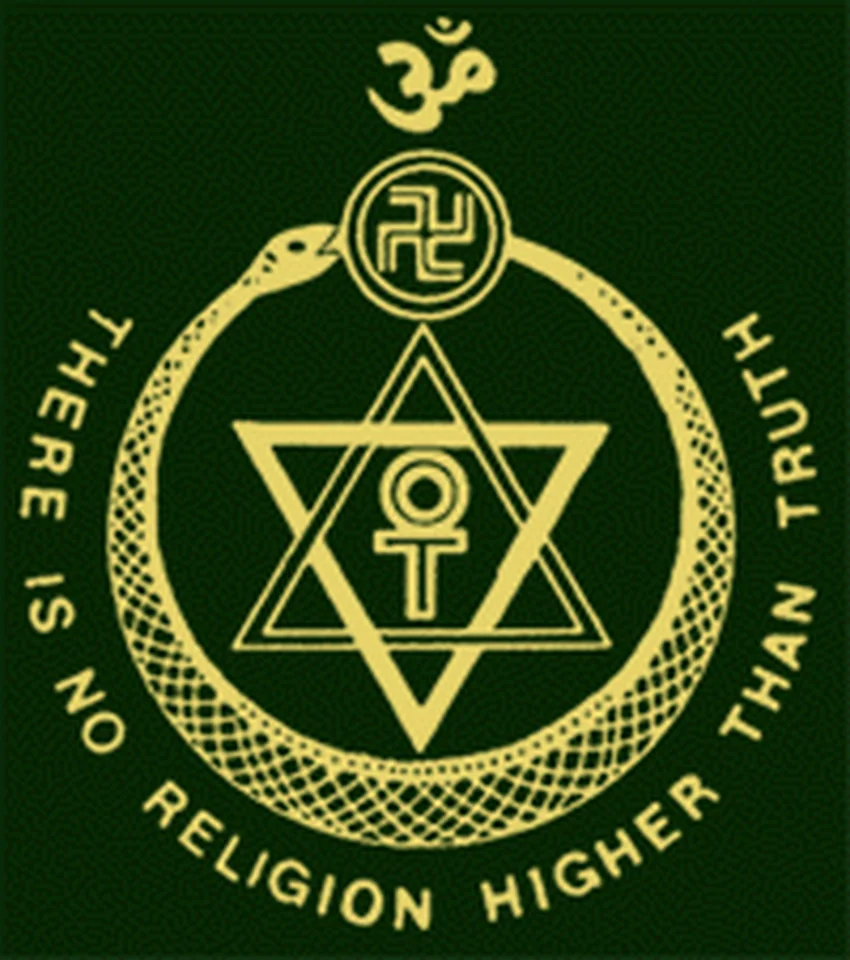
Theosophy was founded in 1875 by Helena Blavatsky and Henry Steel Olcott in New York City. Blavatsky, a Russian occultist and writer, drew heavily from her experiences with Spiritualism and her interests in Hinduism and Buddhism. The movement gained popularity in the late 19th and early 20th centuries, with influential figures such as Annie Besant and Charles Webster Leadbeater contributing to its development. The Theosophical Society, the primary organization associated with the movement, was established in 1875 and is still active today, with its international headquarters located in Adyar, India.
🕉️ Core Teachings
At its core, Theosophy teaches that there is a universal, eternal, and infinite principle that underlies all existence. This principle is often referred to as the Absolute or the Universe. Theosophists believe that this principle is manifested in various forms, including the Masters, a group of spiritual adepts who are believed to have achieved a high level of spiritual enlightenment. The Masters are thought to be the guardians of ancient wisdom and are believed to have initiated the modern Theosophical movement through Helena Blavatsky. Theosophy also emphasizes the concept of reincarnation and the idea that the soul undergoes a process of spiritual evolution through multiple lifetimes.
🌎 Cultural Impact
Theosophy has had a significant cultural impact, influencing various fields such as art, literature, and music. The movement has also been associated with prominent figures such as Rudolf Steiner, who developed the philosophy of Anthroposophy, and Jiddu Krishnamurti, who was once considered to be the Messiah by some Theosophists. Theosophy has also been influential in the development of modern New Age spirituality, with many of its ideas and concepts being incorporated into contemporary spiritual practices. The movement has also been associated with various esoteric traditions, including Hermeticism and Gnosticism.
🔮 Legacy & Future
Today, Theosophy continues to be a vibrant and diverse spiritual movement, with various organizations and individuals interpreting and applying its teachings in different ways. The movement has also been subject to various criticisms and controversies, including accusations of cult-like behavior and pseudoscientific claims. Despite these challenges, Theosophy remains an important and influential spiritual movement, with its ideas and concepts continuing to inspire and guide individuals around the world. The movement's emphasis on spiritual evolution, self-realization, and the attainment of enlightenment continues to resonate with those seeking a deeper understanding of the nature of reality and the human condition.
Key Facts
- Year
- 1875
- Origin
- New York City, USA
- Category
- philosophy
- Type
- movement
Frequently Asked Questions
What is the core teaching of Theosophy?
Theosophy teaches that there is a universal, eternal, and infinite principle that underlies all existence, and that this principle is manifested in various forms, including the Masters, a group of spiritual adepts who are believed to have achieved a high level of spiritual enlightenment. This idea is central to the movement and is reflected in the writings of Helena Blavatsky and other prominent Theosophists.
Who are the Masters in Theosophy?
The Masters are a group of spiritual adepts who are believed to have achieved a high level of spiritual enlightenment. They are thought to be the guardians of ancient wisdom and are believed to have initiated the modern Theosophical movement through Helena Blavatsky. The Masters are considered to be the embodiment of the Absolute and are believed to possess supernatural powers and wisdom.
What is the significance of reincarnation in Theosophy?
Reincarnation is a central concept in Theosophy, and is believed to be the process by which the soul undergoes spiritual evolution through multiple lifetimes. Theosophists believe that the soul is reborn into a new body after death, and that the goal of spiritual evolution is to achieve enlightenment and ultimately attain Nirvana. This idea is influenced by Hinduism and Buddhism, and is reflected in the writings of Helena Blavatsky and other prominent Theosophists.
How has Theosophy influenced modern spirituality?
Theosophy has had a significant influence on modern spirituality, with many of its ideas and concepts being incorporated into contemporary spiritual practices. The movement has also been influential in the development of New Age spirituality, and has been associated with various esoteric traditions, including Hermeticism and Gnosticism. Theosophy's emphasis on spiritual evolution, self-realization, and the attainment of enlightenment continues to resonate with those seeking a deeper understanding of the nature of reality and the human condition.
What are some criticisms of Theosophy?
Theosophy has been subject to various criticisms and controversies, including accusations of cult-like behavior and pseudoscientific claims. Some critics have also argued that the movement's emphasis on spiritual evolution and the attainment of enlightenment can lead to a lack of engagement with the physical world and social issues. However, Theosophy's emphasis on spiritual growth and self-realization continues to inspire and guide individuals around the world, and the movement remains an important and influential spiritual tradition.