
Contents
Overview
Menopause, a natural biological transition marked by the cessation of menstruation, often brings a cascade of symptoms including hot flashes, sleep disturbances, mood swings, and vaginal dryness. While Hormone Replacement Therapy (HRT) has been a medical intervention, a growing number of individuals are seeking alternative therapies to alleviate these symptoms. This exploration encompasses a wide spectrum, from herbal remedies like black cohosh and red clover, to acupuncture, mindfulness, yoga, and dietary adjustments. These approaches often aim to address symptoms through different biological pathways or by promoting overall well-being, offering personalized options for women navigating this life stage. The efficacy and safety of many alternative therapies remain subjects of ongoing research, with varying degrees of scientific evidence supporting their use, leading to a complex and evolving understanding of their role in menopausal management.
🎵 Origins & History
The quest for relief from menopausal symptoms predates modern medicine, with historical texts from ancient Egypt, Greece, and China detailing various botanical and lifestyle interventions. For centuries, women have relied on traditional remedies passed down through generations, often utilizing local flora to address issues like 'the vapors' or 'hot sweats.' The formalization of herbal medicine and the development of disciplines like Traditional Chinese Medicine (TCM) provided structured frameworks for these practices. In the West, the early 20th century saw a surge in interest in natural approaches as a counterpoint to emerging pharmaceutical interventions. However, concerns over HRT's side effects reignited interest in and research into alternative and complementary therapies, pushing them from the fringes into more mainstream consideration.
⚙️ How It Works
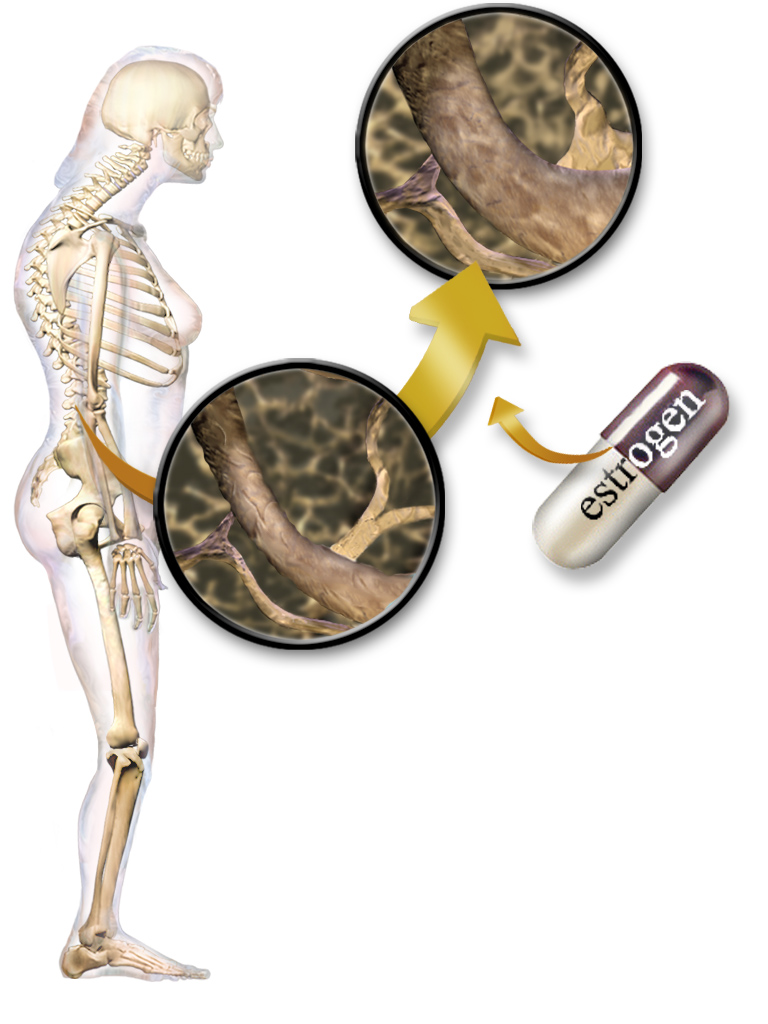
Alternative therapies for menopause operate through diverse mechanisms, often targeting symptom relief without direct hormonal intervention. Herbal remedies like black cohosh and red clover are thought to contain phytoestrogens, plant compounds that mimic estrogen's effects in the body, though their precise mechanisms and efficacy are debated. Acupuncture, a cornerstone of TCM, is believed to modulate the nervous system, potentially influencing neurotransmitters involved in thermoregulation and mood. Mindfulness and yoga practices aim to reduce stress, a known trigger for hot flashes, and improve sleep quality through relaxation and body awareness techniques. Dietary adjustments, such as increasing intake of soy products, flaxseed, and calcium, are also employed to manage symptoms and support bone health. Cognitive Behavioral Therapy (CBT) can help women reframe their perception of symptoms and develop coping strategies.
📊 Key Facts & Numbers
Globally, an estimated 1.1 billion people will be experiencing menopause by 2025, with a significant portion seeking non-pharmacological relief. Surveys indicate that between 30% and 60% of women in Western countries use complementary and alternative medicine (CAM) during menopause. For instance, a 2018 study in the Journal of the American Medical Association (JAMA) found that approximately 30% of U.S. adults used CAM therapies in the past 12 months. Specific to menopause, research published in the Menopause journal in 2020 suggested that up to 80% of women experience bothersome symptoms, with many turning to alternatives. The global market for herbal supplements alone is projected to reach over $100 billion by 2027, with a substantial portion attributed to women's health products. Despite these numbers, only about 30% of women discuss CAM use with their healthcare providers, according to a 2019 report by the National Institutes of Health (NIH).
👥 Key People & Organizations
Pioneering figures in the study of alternative menopause therapies include Dr. Isaac Eliaz, who has extensively researched melatonin and phytoestrogens, and Dr. Tieraona Low Dog, a physician and herbalist who advocates for evidence-based complementary medicine. Organizations like the North American Menopause Society (NAMS) and the World Health Organization (WHO) provide guidelines and research summaries, though their focus often remains on conventional treatments while acknowledging CAM. Research institutions such as Harvard Medical School and Stanford University School of Medicine are increasingly funding studies into the efficacy of various alternative modalities. The National Center for Complementary and Integrative Health (NCCIH), part of the NIH, plays a crucial role in funding and disseminating research on these therapies.
🌍 Cultural Impact & Influence
The cultural resonance of alternative menopause therapies lies in their empowerment of women to take a more active role in their health journey. As societal views on aging and women's health evolve, there's a growing acceptance of approaches that prioritize natural methods and holistic well-being over purely pharmaceutical interventions. This shift is reflected in popular media, with numerous books, blogs, and social media influencers dedicated to menopause wellness, often featuring alternative strategies. The rise of the 'wellness industry' has also propelled interest in practices like yoga, meditation, and organic eating as integral components of managing menopausal transitions. This cultural embrace, however, also fuels a market where unsubstantiated claims can proliferate, creating a complex information environment for consumers.
⚡ Current State & Latest Developments
Current developments in alternative menopause therapies are increasingly focused on rigorous scientific validation. Researchers are conducting more large-scale, randomized controlled trials to assess the efficacy and safety of various botanicals, mind-body techniques, and dietary interventions. For instance, studies are exploring the potential of cannabidiol (CBD) for managing hot flashes and sleep disturbances, though evidence is still preliminary. There's also a growing interest in personalized medicine approaches, tailoring alternative therapies based on an individual's genetic makeup, microbiome, and specific symptom profile. Furthermore, telehealth platforms are expanding access to consultations with practitioners of naturopathic medicine and TCM, making these options more accessible to a wider population. The integration of wearable technology to track symptoms and treatment responses is also a burgeoning area.
🤔 Controversies & Debates
The primary controversy surrounding alternative therapies for menopause centers on the variability in scientific evidence and the potential for unsubstantiated claims. While some therapies, like CBT, have robust evidence for managing hot flashes, others, such as certain herbal supplements, lack consistent, high-quality research to support their effectiveness or safety. Concerns also arise regarding potential interactions between herbal remedies and conventional medications, as well as the lack of stringent regulation for many supplements, leading to issues with product purity and dosage. The debate often pits the desire for natural, non-hormonal solutions against the need for evidence-based, safe, and regulated medical care. Skeptics question the placebo effect's role in perceived benefits, while proponents emphasize the importance of patient choice and the potential for holistic symptom management.
🔮 Future Outlook & Predictions
The future of alternative therapies for menopause likely involves greater integration with conventional medicine, driven by a demand for personalized and evidence-informed care. We can anticipate more sophisticated clinical trials investigating specific compounds within botanicals and refining mind-body techniques for optimal symptom relief. The development of biomarkers to predict individual responses to different therapies could revolutionize treatment approaches. Furthermore, advancements in genomics and the human microbiome may unlock new avenues for understanding and treating menopausal symptoms through non-hormonal means. Regulatory bodies may also face increasing pressure to provide clearer guidelines and oversight for herbal supplements and other CAM products. The trend towards a more holistic and patient-centered approach to healthcare suggests that alternative therapies will continue to play a significant role in menopausal management.
Key Facts
- Category
- science
- Type
- topic