
Contents
- 🎵 Origins & History
- ⚙️ How It Works
- 📊 Key Facts & Numbers
- 👥 Key People & Organizations
- 🌍 Cultural Impact & Influence
- ⚡ Current State & Latest Developments
- 🤔 Controversies & Debates
- 🔮 Future Outlook & Predictions
- 💡 Practical Applications
- 📚 Related Topics & Deeper Reading
- Frequently Asked Questions
- References
- Related Topics
Overview
The story of amaranth is deeply rooted in the ancient Americas, particularly in Mesoamerica, where it was a foundational crop alongside maize and beans for civilizations like the Aztecs and Maya. Archaeological evidence suggests cultivation dates back at least 6,000 years, with evidence found in Peru around 4000 BCE. The Aztecs revered amaranth, using its seeds in religious ceremonies and creating edible figurines from a dough of amaranth and honey, often colored with amaranth juice. Spanish conquistadors, however, viewed amaranth cultivation and its ceremonial use as paganistic and actively suppressed it in the 16th century, leading to a decline in its widespread cultivation in favor of European grains. Despite this suppression, amaranth persisted in remote regions and was eventually rediscovered by botanists and nutritionists in the 20th century, sparking renewed interest in its agricultural and nutritional potential.
⚙️ How It Works
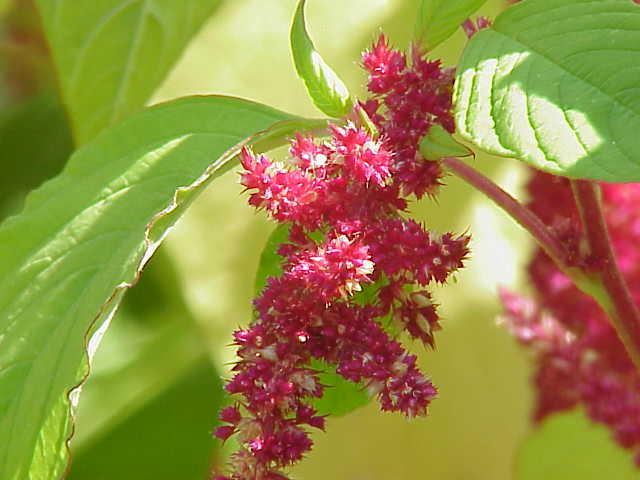
Amaranth plants are characterized by their unique reproductive strategies and growth patterns. Most species are monoecious, meaning individual plants bear both male and female flowers, though some are dioecious. Their inflorescences are typically dense, terminal or axillary cymes, often appearing as spikelike clusters of small, inconspicuous flowers. The seeds, technically a caryopsis, are minute and can be white, cream, or reddish-brown, depending on the species. Amaranth is remarkably drought-tolerant and can thrive in a variety of soil conditions, from sandy to clay, making it a resilient crop. Its photosynthetic pathway, C4 photosynthesis, allows it to be highly efficient in converting sunlight into biomass, especially in warm climates, contributing to its rapid growth and high yields.
📊 Key Facts & Numbers
Globally, amaranth is cultivated across more than 100 countries, with an estimated annual production exceeding 100,000 metric tons. The protein content of amaranth grain typically ranges from 13% to 18%, significantly higher than many common cereals like wheat (10-14%) or rice (7-10%). It is a complete protein, containing all essential amino acids, including lysine, which is often deficient in plant-based diets. A single cup of cooked amaranth (approximately 246 grams) provides about 9 grams of protein and is an excellent source of manganese (over 100% of the daily value), magnesium (around 40%), and phosphorus (around 30%). The global amaranth market was valued at approximately $1.5 billion in 2022 and is projected to grow at a CAGR of 6.5% through 2030.
👥 Key People & Organizations
Key figures in the modern resurgence of amaranth include Dr. David Popenoe, a botanist who championed its nutritional value in the late 20th century, and organizations like the Rodale Institute, which conducted extensive research on its cultivation and benefits. Indigenous communities in Mexico, Peru, and Bolivia remain crucial custodians of amaranth's genetic diversity and traditional cultivation methods. Companies such as Ancient Harvest and Arrowhead Mills have been instrumental in bringing amaranth products to mainstream consumer markets, while research institutions like the CIMMYT continue to develop improved amaranth varieties for diverse agricultural systems.
🌍 Cultural Impact & Influence
Amaranth's cultural footprint is vast, extending from ancient religious practices to modern health food trends. Its historical significance in Mesoamerican cultures is undeniable, with its seeds and imagery appearing in pre-Columbian art and codices. In contemporary society, amaranth has become synonymous with health and wellness, frequently appearing in articles and discussions about superfoods and gluten-free diets. Its vibrant colors also make it a popular choice for ornamental varieties, gracing gardens worldwide. The plant's ability to thrive in challenging environments has also made it a symbol of resilience and adaptability, resonating with movements focused on sustainable agriculture and food security.
⚡ Current State & Latest Developments
The current amaranth landscape is characterized by increasing consumer demand for its nutritional benefits and its role as a climate-resilient crop. In 2024, research is focusing on developing new amaranth varieties with enhanced yields, improved pest resistance, and specific nutritional profiles, such as higher squalene content, a compound known for its health benefits. The global supply chain is expanding, with more farmers in North America, Europe, and Asia adopting amaranth cultivation. Innovations in processing are also emerging, leading to a wider array of amaranth-based products, including flours, pastas, snacks, and even plant-based protein isolates, moving beyond its traditional grain form.
🤔 Controversies & Debates
One of the primary controversies surrounding amaranth is its classification as a weed. Many amaranth species, particularly Amaranthus retroflexus (red-root pigweed), are considered aggressive agricultural weeds that compete with crops for resources, leading to significant yield losses for farmers. This dual identity—as both a valuable food source and a problematic weed—creates a complex management challenge. Furthermore, debates arise regarding the precise nutritional data and the extent of its benefits, with some critics cautioning against overstating its 'superfood' status without considering the context of a balanced diet. The genetic modification of amaranth for agricultural purposes also presents ethical considerations for some consumer groups.
🔮 Future Outlook & Predictions
The future of amaranth appears bright, driven by its nutritional profile and adaptability. Projections suggest the global market will continue its upward trajectory, potentially reaching $2.5 billion by 2028, fueled by growing demand for plant-based and gluten-free foods. Researchers are exploring amaranth's potential in biofortification programs to combat micronutrient deficiencies in developing nations. Advances in genomics and marker-assisted selection are expected to accelerate the development of elite amaranth varieties tailored for specific climates and end-uses. There's also growing interest in amaranth's potential as a cover crop for soil health and as a source for industrial compounds like squalene for cosmetics and pharmaceuticals.
💡 Practical Applications
Amaranth's practical applications are diverse and expanding. As a pseudocereal, its popped seeds are a popular snack, similar to popcorn, and its grain can be ground into flour for baking, used to thicken soups and stews, or cooked as a porridge. The leaves of certain species, like Amaranthus tricolor (Joseph's coat), are widely consumed as a leafy green vegetable in Asian cuisines and other parts of the world, offering a rich source of vitamins and minerals. Amaranth oil, extracted from the seeds, is prized for its high squalene content and antioxidant properties, finding use in dietary supplements and skincare products. Ornamental varieties are cultivated for their striking foliage and flower colors, adding aesthetic value to gardens and floral arrangements.
Key Facts
- Year
- circa 4000 BCE
- Origin
- Mesoamerica
- Category
- nature
- Type
- topic
Frequently Asked Questions
What makes amaranth a 'superfood'?
Amaranth earns its 'superfood' status due to its exceptional nutritional profile. It's one of the few plant-based sources of complete protein, containing all nine essential amino acids, which is crucial for muscle repair and overall bodily function. A single cup of cooked amaranth provides a significant amount of manganese, magnesium, and phosphorus, minerals vital for bone health and energy production. Its high fiber content also aids digestion and helps regulate blood sugar levels, making it a valuable addition to a healthy diet.
Is amaranth a grain or a seed?
Botanically, amaranth is classified as a pseudocereal, meaning its seeds are consumed like a grain, but it doesn't belong to the grass family (Poaceae) like true cereals such as wheat, corn, or rice. Instead, amaranth belongs to the family Amaranthaceae, which also includes spinach and beets. Therefore, its seeds are technically drupes or caryopses, but they are prepared and eaten in ways similar to grains, offering a gluten-free alternative with a distinct nutty flavor and chewy texture.
How did amaranth become a weed?
Many amaranth species, such as Amaranthus retroflexus (red-root pigweed), are considered aggressive weeds due to their remarkable adaptability and prolific seed production. These species thrive in disturbed soils, often found in agricultural fields, roadsides, and waste areas. Their seeds can remain viable in the soil for decades, germinating when conditions are favorable. They compete fiercely with cultivated crops for water, nutrients, and sunlight, making them a significant challenge for farmers worldwide. This weediness is a testament to the plant's evolutionary success, even as other species are cultivated for food.
What are the historical uses of amaranth beyond food?
Historically, amaranth held profound cultural and religious significance, particularly among the Aztecs. Its seeds were ground into flour and mixed with honey or other ingredients to create ceremonial foods and effigies, often depicting deities. The vibrant red and purple pigments derived from amaranth flowers and leaves were used as natural dyes for textiles and body paint. In some indigenous traditions, amaranth was also believed to possess medicinal properties, used in various poultices and remedies, underscoring its multifaceted role in ancient societies.
What are the main challenges in amaranth cultivation today?
The primary challenge in amaranth cultivation is managing its weedy relatives, which can outcompete desirable varieties for resources and contaminate harvests. Farmers must employ strategies like crop rotation, timely weeding, and selecting appropriate planting densities to mitigate weed pressure. Additionally, developing amaranth varieties with consistent yields, improved disease resistance, and specific desirable traits (like higher protein or oil content) requires ongoing plant breeding efforts. Market access and consumer education also play a role, as amaranth is still less familiar to many consumers compared to conventional grains.
How can I cook amaranth grain at home?
Cooking amaranth grain is straightforward and similar to cooking other grains. A common ratio is 1 part amaranth to 2 parts liquid (water or broth). Rinse the amaranth thoroughly under cold water to remove any saponins (which can cause a bitter taste). Combine the rinsed amaranth and liquid in a saucepan, bring to a boil, then reduce heat, cover, and simmer for about 15-20 minutes, or until the liquid is absorbed and the seeds are tender. The cooked amaranth will have a slightly chewy texture and a mild, nutty flavor, perfect as a breakfast porridge, a side dish, or an addition to salads and baked goods.
What are the future prospects for amaranth in addressing global food security?
Amaranth holds significant promise for enhancing global food security due to its resilience, nutritional density, and adaptability to diverse climates, including arid and semi-arid regions where conventional crops struggle. Its high protein content and essential amino acids make it a valuable crop for combating malnutrition, especially in regions with limited access to diverse food sources. Ongoing research into developing high-yield, disease-resistant varieties and improving cultivation techniques could further solidify amaranth's role as a key crop for sustainable agriculture and a vital component of future food systems, particularly in the face of climate change and increasing population demands.