
Contents
Overview
The concept of the American Frontier is less a fixed point in time and more a continuously moving boundary. Its origins trace back to the earliest European settlements, where colonists immediately encountered the challenge of establishing themselves in lands already inhabited by numerous Indigenous peoples. Initially, the 'frontier' was the edge of these small coastal enclaves, pushing inland as populations grew and resources were sought. The French and Indian War significantly altered this dynamic, removing French influence and opening vast territories west of the Appalachian Mountains to British and colonial expansion. The Revolutionary War further solidified American claims, but the true acceleration came with the Louisiana Purchase in 1803, doubling the nation's size and presenting an immense, largely unknown expanse for future settlement.
⚙️ Mechanics of Expansion
The mechanics of frontier expansion were multifaceted, involving a complex interplay of government policy, economic incentives, and individual ambition. Government surveys and land ordinances, such as the Land Ordinance of 1785, established systems for surveying and selling western lands, often at low prices to encourage settlement. The Homestead Act of 1862 was a pivotal piece of legislation, offering 160 acres of public land to settlers who would live on and cultivate it for five years, a powerful draw for millions. Infrastructure development, including the Transcontinental Railroad completed in 1869 by companies like Union Pacific Railroad and Central Pacific Railroad, dramatically reduced travel times and costs, making distant territories accessible. Military campaigns and the establishment of forts were also crucial for 'pacifying' Indigenous resistance and securing new territories for settlers, a process often marked by brutal conflict.
📊 Key Facts & Figures
The scale of American westward expansion is staggering. By 1912, when New Mexico and Arizona were admitted as states, the contiguous United States had reached its present-day form. Over 30 million acres were distributed under the Homestead Act alone, attracting an estimated 1.6 million homesteaders. The California Gold Rush of 1848-1855 saw the population of California surge from around 14,000 to over 220,000 in just a few years. The construction of the Transcontinental Railroad involved laying over 1,900 miles of track and cost an estimated $100 million in 1869 dollars. Between 1860 and 1890, the buffalo population, a critical resource for Plains tribes, was decimated from an estimated 15 million to fewer than 1,000, a direct consequence of westward expansion and commercial hunting.
👥 Architects of the West
Key figures loom large in the narrative of the American Frontier, though their roles are often contested. Daniel Boone, a legendary frontiersman, is credited with exploring and settling the Kentucky wilderness, embodying the spirit of rugged individualism. General William Tecumseh Sherman played a significant role in military campaigns against Indigenous peoples on the Plains. Figures like John Muir championed the preservation of the wilderness that the frontier represented, leading to the establishment of national parks. Conversely, figures like Sitting Bull and Geronimo represent the fierce resistance of Indigenous nations against the relentless encroachment of American expansion. The railroad barons like Collis P. Huntington and Leland Stanford were instrumental in building the infrastructure that enabled mass migration.
🌍 Cultural Resonance & Mythmaking
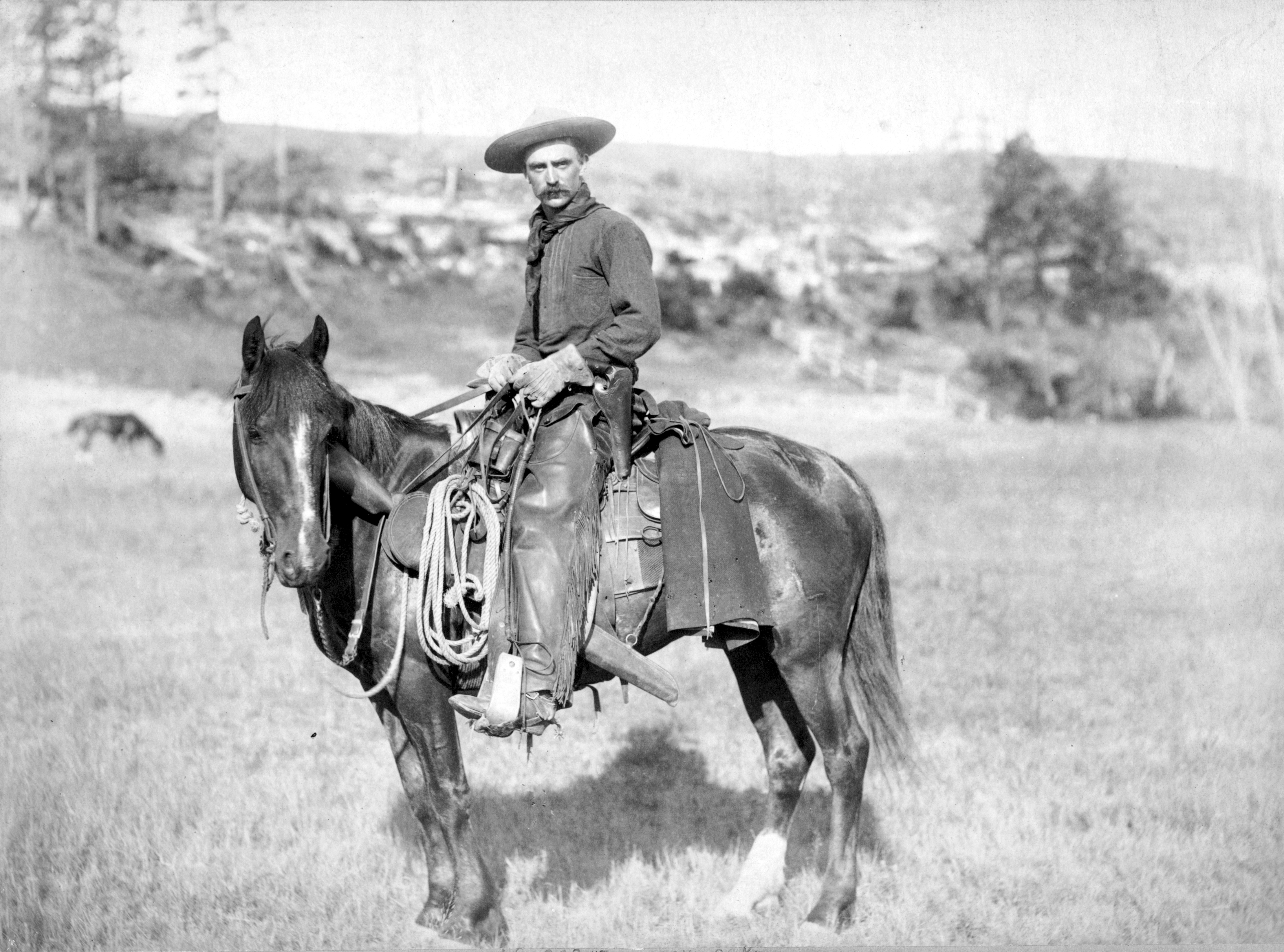
The cultural resonance of the American Frontier is immense, forming a bedrock of American identity and inspiring countless works of art, literature, and film. The 'Western genre' in literature and cinema, epitomized by authors like Zane Grey and filmmakers like John Ford, has cemented images of cowboys, outlaws, and the untamed wilderness in the global imagination. The mythos often emphasizes themes of self-reliance, courage, and the triumph of civilization over savagery, though this narrative frequently glosses over the displacement and violence inflicted upon Indigenous populations. The 'Frontier Thesis', articulated by historian Frederick Jackson Turner in 1893, argued that the frontier experience was the primary force shaping American character and institutions, a view that has since been heavily critiqued.
⚡ The Frontier Today
While the historical frontier officially closed with statehood in 1912, its spirit and legacy persist. The concept of 'frontier' continues to be invoked in discussions about technological innovation, space exploration, and even economic development in underserved regions. The vast public lands managed by agencies like the Bureau of Land Management and the National Park Service are tangible remnants of the frontier era, now primarily valued for conservation and recreation rather than settlement. Debates over resource extraction, land rights, and the management of these areas echo the historical tensions of the frontier, highlighting its ongoing relevance in contemporary American life.
🤔 Enduring Debates
The American Frontier is a subject of persistent controversy. The dominant historical narrative, often centered on heroic pioneers and the spread of democracy, has been challenged by scholars who emphasize the brutal dispossession of Native American lands, the violence of the Indian Wars, and the exploitation of labor. The romanticized image of the 'Wild West' often obscures the harsh realities of frontier life, including economic hardship, social isolation, and widespread lawlessness that was not always romantic. The environmental impact of rapid expansion, including deforestation, mining, and the near-extinction of the American bison, is another area of critical re-evaluation. The very definition of 'civilization' versus 'savagery' on the frontier is a point of contention, with many arguing that the 'civilizing' force was often more destructive than the 'savagery' it replaced.
🔮 Future Interpretations
Future interpretations of American Frontier history will likely continue to grapple with its complex and often brutal legacy. Expect deeper dives into the experiences of marginalized groups – including African Americans who sought freedom and opportunity in the West, Chinese immigrants who built railroads and faced discrimination, and Mexican Americans whose lands were absorbed. The environmental consequences of unchecked expansion will receive greater scrutiny, potentially influencing land management policies. Furthermore, the 'frontier myth' itself will be analyzed as a powerful, and sometimes dangerous, narrative that has shaped national identity, with scholars exploring its influence on modern political rhetoric and cultural expressions.
💡 Practical Legacies
The practical legacies of the American Frontier are woven into the fabric of modern America. The system of land division and ownership, largely established by the Public Land Survey System, still dictates property boundaries across much of the West. The development of ranching and agriculture in arid regions laid the groundwork for contemporary food production. The legal and political structures of many western states were forged in the crucible of frontier governance, often characterized by a strong emphasis on local control and individual rights. The enduring appeal of Western aesthetics, from fashion to architecture, continues to influence design and popular culture, demonstrating the long reach of this historical period.
📚 Further Exploration
For those seeking to understand the American Frontier, exploring the works of Frederick Jackson Turner is essential, particularly his seminal essay, 'The Significance of the Frontier in American History.' However, it is crucial to engage with critical counterpoints, such as
Key Facts
- Category
- history
- Type
- topic