
Contents
Overview
The concept of apoptosis was first introduced by John Foxton Ross in 1972, but it wasn't until the work of Robert Horvitz and John Sulston in the 1980s that the process was fully understood. Their research on the nematode worm Caenorhabditis elegans led to a deeper understanding of the genetic mechanisms underlying apoptosis. Today, apoptosis is recognized as a vital process in development, tissue homeostasis, and disease prevention, with implications for fields such as cancer research and regenerative medicine.
⚙️ How It Works
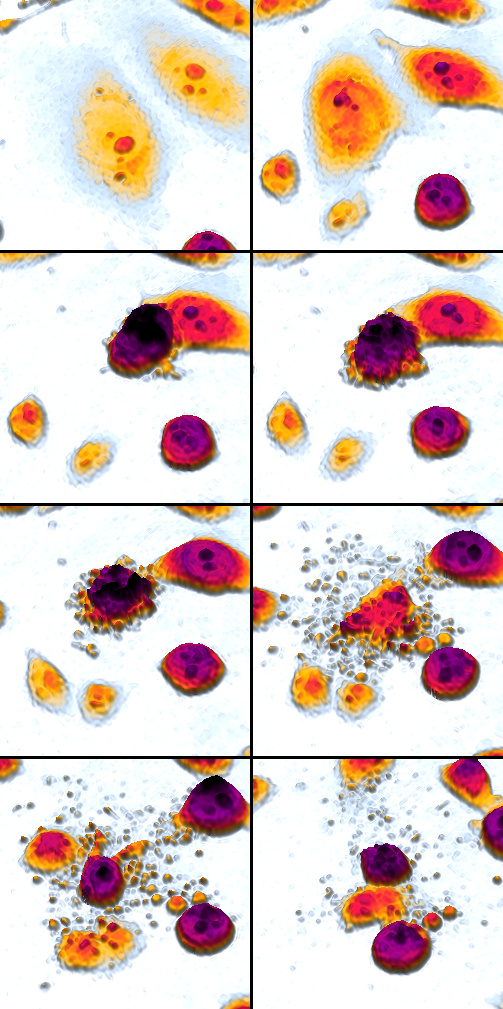
The process of apoptosis is characterized by a series of biochemical events, including blebbing, cell shrinkage, nuclear fragmentation, chromatin condensation, DNA fragmentation, and mRNA decay. These changes are mediated by a complex interplay of pro-apoptotic and anti-apoptotic proteins, including Bcl-2 and Bax. The regulation of apoptosis is critical for maintaining tissue homeostasis, with dysregulation contributing to diseases such as cancer and neurodegenerative disorders. Companies like Genentech and Amgen are working to develop therapies that target apoptotic pathways.
🌍 Cultural Impact
Apoptosis has significant cultural and societal implications, particularly in the context of disease prevention and treatment. The understanding of apoptosis has led to the development of new therapies, such as immunotherapy, which harness the power of the immune system to target and eliminate cancer cells. Additionally, the study of apoptosis has shed light on the importance of cell signaling pathways, including the PI3K/Akt pathway, in regulating cell survival and death. Researchers at institutions like Harvard University and Stanford University are continuing to explore the complexities of apoptosis and its role in human disease.
🔮 Legacy & Future
The future of apoptosis research holds much promise, with potential applications in fields such as personalized medicine and synthetic biology. The development of new therapies that target apoptotic pathways, such as apoptosis-inducing therapies, may revolutionize the treatment of diseases such as cancer and neurodegenerative disorders. Furthermore, the study of apoptosis may provide insights into the development of new technologies, such as tissue engineering and regenerative medicine. As research continues to advance, it is likely that our understanding of apoptosis will lead to significant breakthroughs in human health and disease prevention, with companies like Pfizer and Novartis at the forefront of innovation.
Key Facts
- Year
- 1972
- Origin
- Ancient Greece
- Category
- science
- Type
- concept
Frequently Asked Questions
What is apoptosis?
Apoptosis is a form of programmed cell death that occurs in multicellular organisms, characterized by biochemical events leading to cell changes and death. This process is highly regulated and controlled, conferring advantages during an organism's life cycle. Researchers at institutions like Harvard University and Stanford University are continuing to explore the complexities of apoptosis and its role in human disease.
What are the implications of apoptosis for human health?
The understanding of apoptosis has significant implications for human health, particularly in the context of disease prevention and treatment. The development of new therapies that target apoptotic pathways, such as apoptosis-inducing therapies, may revolutionize the treatment of diseases such as cancer and neurodegenerative disorders. Companies like Pfizer and Novartis are at the forefront of innovation in this area.
How does apoptosis relate to cancer research?
Apoptosis is closely related to cancer research, as the dysregulation of apoptotic pathways can contribute to cancer development and progression. Researchers are working to develop new therapies that target apoptotic pathways, such as immunotherapy, which harness the power of the immune system to target and eliminate cancer cells. The study of apoptosis has shed light on the importance of cell signaling pathways, including the PI3K/Akt pathway, in regulating cell survival and death.
What are the potential applications of apoptosis research?
The study of apoptosis has significant potential applications in fields such as personalized medicine and synthetic biology. The development of new therapies that target apoptotic pathways may revolutionize the treatment of diseases such as cancer and neurodegenerative disorders. Furthermore, the study of apoptosis may provide insights into the development of new technologies, such as tissue engineering and regenerative medicine.
How does apoptosis relate to regenerative medicine?
Apoptosis is closely related to regenerative medicine, as the understanding of apoptotic pathways can inform the development of new therapies that promote tissue repair and regeneration. Researchers are working to develop new technologies, such as tissue engineering, that can harness the power of apoptosis to promote tissue regeneration and repair. Companies like Genentech and Amgen are at the forefront of innovation in this area.