
Contents
Overview
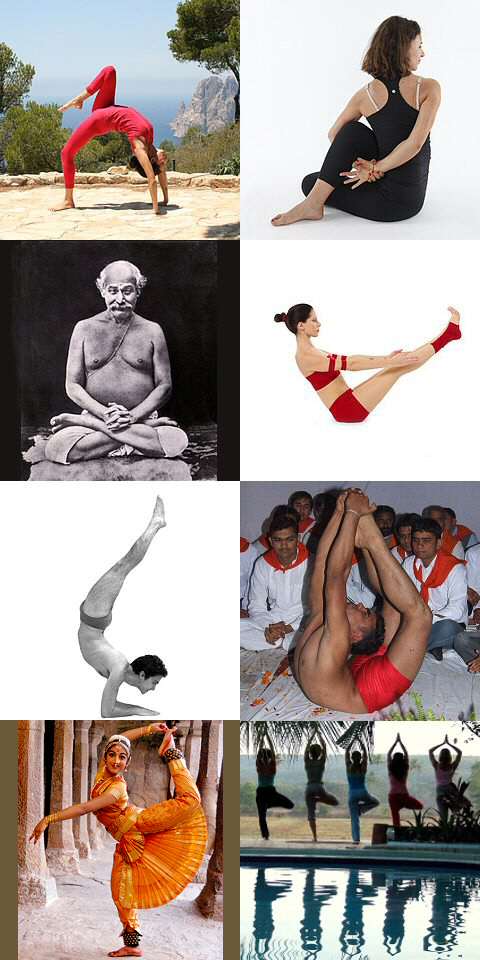
Asanas, the physical postures of yoga, originated in ancient India as meditation seats and have evolved into a complex system of poses designed to harmonize the body, mind, and spirit. Modern practice emphasizes their role in enhancing physical health through improved strength, balance, and cardiovascular function, while also fostering mental well-being by reducing stress, anxiety, and promoting mindfulness. The practice of asanas is intrinsically linked to breath control (pranayama) and meditation (dhyana), creating a holistic approach to wellness that has resonated globally, impacting millions through diverse yoga traditions like hatha-yoga, vinyasa-yoga, and iyengar-yoga.
🎵 Origins & History
The term 'asana' (Sanskrit: आसन) historically referred to a stable and comfortable sitting posture for meditation. Swami Kuvalayananda, yogendra, and t-k-v-desikachar integrated physical culture and modern scientific understanding into yoga, laying the groundwork for the global phenomenon of yoga as exercise.
⚙️ How It Works
Asanas function by systematically engaging the body's muscular, skeletal, and nervous systems. Each pose, from the foundational tadasana (Mountain Pose) to the more complex adho-mukha-svanasana (Downward-Facing Dog), requires specific alignment and muscular engagement, thereby building strength and improving proprioception. The practice is intrinsically linked with pranayama (breath control), which helps to calm the nervous system, increase oxygenation, and deepen the meditative aspect of the practice. This mind-body connection is central to the therapeutic benefits, allowing practitioners to become more aware of physical sensations and mental states.
📊 Key Facts & Numbers
Studies on vinyasa-yoga have demonstrated improvements in cardiovascular health. The mental health benefits are also substantial.
👥 Key People & Organizations
Key figures in the popularization and diversification of asana practice include paramahansa-yogananda, whose book autobiography-of-a-yogi introduced many Westerners to yoga's spiritual dimensions; iyengar-yoga founder b-k-s-iyengar, known for his precise alignment techniques and use of props; and krishnamacharya, often called the 'father of modern yoga', who trained influential teachers like iyengar-yoga, k-pattabhi-jois, and t-k-v-desikachar. Organizations like the iyengar-yoga-national-teaching-association (IYTA) and the yoga-alliance play significant roles in standardizing training and promoting yoga globally.
🌍 Cultural Impact & Influence
The global adoption of asanas has been immense. Yoga therapy is recognized as a complementary approach for managing various health conditions, from mental-health issues to chronic-pain.
⚡ Current State & Latest Developments
In 2024, the landscape of asana practice continues to evolve with a surge in online yoga classes, accessible via platforms like glo-com and youtube-com, reaching millions who cannot attend physical studios. There's a growing emphasis on inclusive yoga, with practitioners developing adaptive styles for diverse bodies and abilities, including adaptive-yoga for individuals with disabilities and trauma-informed-yoga for survivors. Innovations in yoga technology, such as wearable-technology tracking pose accuracy and virtual-reality-vr yoga experiences, are also emerging, promising new ways to engage with the practice.
🤔 Controversies & Debates
A significant debate surrounds the commercialization of yoga and the potential dilution of its spiritual roots, with critics arguing that the focus on physical aesthetics and profit overshadows its philosophical underpinnings. Another controversy involves the appropriation of yoga by Western cultures, sometimes divorced from its historical and cultural context, leading to debates about authenticity and respect. Furthermore, concerns are raised about potential injuries from advanced poses, particularly inversions and deep backbends, if not practiced under qualified guidance, especially for beginners or those with pre-existing conditions.
🔮 Future Outlook & Predictions
The future of asana practice is likely to see further integration with scientific research, particularly in neuroscience and physiotherapy, to better understand and quantify its benefits. We can expect a continued rise in specialized yoga forms, such as yoga-for-athletes and prenatal-yoga, catering to specific demographic needs. The development of AI-powered yoga instructors and personalized yoga-apps that offer real-time feedback on alignment and breath could become more prevalent. There's also a growing interest in exploring the deeper meditative and philosophical aspects of yoga, potentially leading to a resurgence of interest in traditional raja-yoga practices alongside asana.
💡 Practical Applications
Athletes across various disciplines, from nfl-players to professional-tennis-players, incorporate yoga into their training regimens to enhance flexibility, balance, and injury prevention. Corporate wellness programs increasingly offer yoga classes to employees to combat workplace stress and improve overall well-being.
Key Facts
- Category
- vibes
- Type
- concept