
Contents
Overview
The genesis of the automotive market can be traced back to the late 19th century with the invention of the first practical automobiles. Karl Benz's 1886 Patent-Motorwagen is widely considered the first true automobile, marking the birth of a new industry. Early pioneers like Henry Ford revolutionized production with the assembly line, making cars accessible to the masses and transforming the market from a luxury good to a necessity. The post-World War II era saw unprecedented growth, with companies like General Motors and Ford establishing dominant global presences. The oil crises of the 1970s spurred interest in fuel efficiency, and the rise of Japanese manufacturers like Toyota and Honda introduced new standards in quality and reliability, fundamentally altering the competitive landscape. The late 20th and early 21st centuries have been defined by globalization, consolidation, and the nascent but rapidly accelerating shift towards electrification, driven by environmental concerns and technological advancements pioneered by companies like Tesla.
⚙️ How It Works
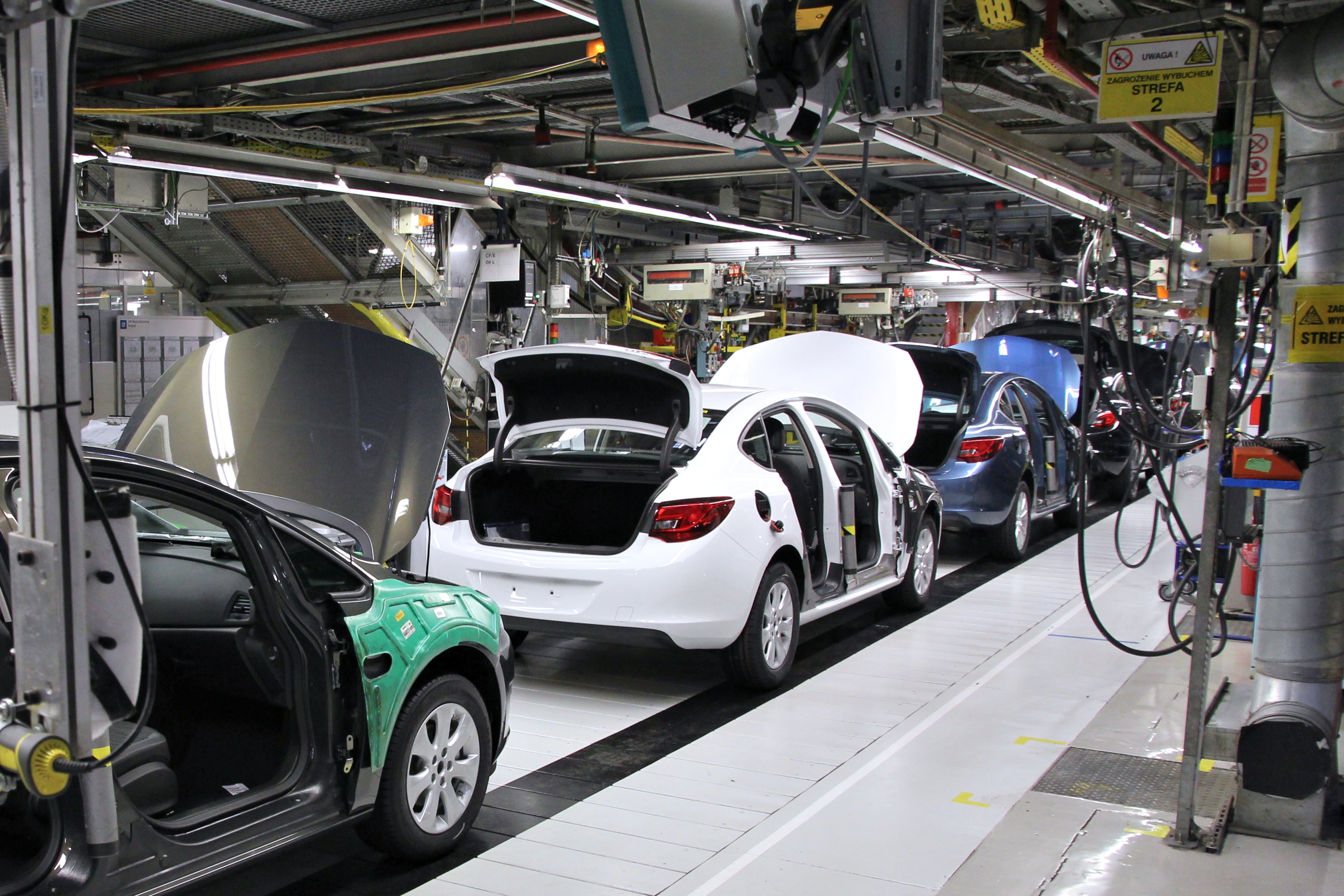
The automotive market operates on a complex interplay of supply and demand, orchestrated by a global network of entities. Vehicle manufacturers, such as BMW Group and Stellantis, design and assemble vehicles, relying on a vast tier-1, tier-2, and tier-3 supplier ecosystem for components ranging from engines and batteries to microchips and interior fabrics. These vehicles are then distributed through franchised dealerships or direct-to-consumer models, like that of Tesla. Financing, insurance, and aftermarket services form crucial supporting pillars. Consumer demand, influenced by economic conditions, government regulations (e.g., emissions standards), fuel prices, and evolving lifestyle trends, dictates production volumes and product development. The market also includes a robust used car sector, a significant segment for repair and maintenance services, and a growing market for automotive software and connectivity solutions.
📊 Key Facts & Numbers
The global automotive market is an economic titan. The automotive industry directly employs over 1.5 million people in the United States and significantly more globally. The market capitalization of the top 10 automotive companies exceeds $1 trillion.
👥 Key People & Organizations
Key players in the automotive market span a wide spectrum. Manufacturing giants like Volkswagen Group, Toyota Motor Corporation, Hyundai Motor Group, and General Motors command significant market share. Technology innovators such as Tesla have redefined the EV landscape, while established suppliers like Bosch and Continental AG are critical to the entire value chain. The emergence of Chinese automakers like BYD and NIO is reshaping global competition. Regulatory bodies like the EPA and the European Union play a crucial role in setting standards. Investment firms and venture capitalists, such as SoftBank Group, are pouring billions into automotive startups and new technologies.
🌍 Cultural Impact & Influence
The automotive market is deeply interwoven with global culture and societal development. The automobile has been a symbol of freedom, status, and personal mobility since its inception, profoundly shaping urban planning, leisure activities, and even romantic courtship. The rise of car culture, from drive-in theaters to iconic movie car chases featuring vehicles like the Ford Mustang, reflects its cultural significance. The industry's advertising campaigns, often featuring aspirational lifestyles and cutting-edge design, have influenced broader aesthetic trends. Furthermore, the automotive market's environmental impact has spurred global conversations about sustainability, leading to shifts in consumer behavior and a growing demand for eco-friendly transportation options, influencing everything from fashion to urban design.
⚡ Current State & Latest Developments
The automotive market in 2024 is characterized by a rapid acceleration of electrification and a complex geopolitical landscape impacting supply chains. Major automakers are committing billions to EV development, with many announcing phase-out dates for internal combustion engines. The semiconductor shortage, while easing, continues to affect production, highlighting the industry's reliance on critical components. Geopolitical tensions, particularly concerning rare earth minerals essential for batteries, are prompting efforts to diversify supply chains and explore alternative battery chemistries. The growth of autonomous driving technology, though facing regulatory hurdles, is also accelerating, with companies like Waymo and Cruise expanding their robotaxi services in select cities. The used car market remains robust, albeit with some price stabilization after pandemic-era highs.
🤔 Controversies & Debates
The automotive market is rife with controversy and debate. The most prominent is the pace and feasibility of the transition to electric vehicles. Critics question the environmental impact of battery production and disposal, the strain on electricity grids, and the affordability of EVs for the average consumer. The ethical implications of autonomous driving, including accident liability and job displacement for professional drivers, are also hotly debated. Trade disputes and protectionist policies, particularly between the US and China, create friction over market access and subsidies. Furthermore, the immense lobbying power of established automotive manufacturers often clashes with environmental advocacy groups pushing for more aggressive climate action and stricter emissions regulations. The sourcing of raw materials for batteries, like cobalt and lithium, also raises significant ethical and human rights concerns.
🔮 Future Outlook & Predictions
The future of the automotive market points towards a radical transformation driven by electrification, autonomy, and connectivity. By 2030, electric vehicles are projected to constitute over 50% of global new car sales, according to some industry forecasts. Autonomous driving technology is expected to mature, potentially leading to widespread adoption of Level 4 and Level 5 autonomous vehicles, fundamentally altering personal mobility and logistics. The concept of vehicle ownership may decline as subscription services and ride-sharing platforms, powered by autonomous fleets, become more prevalent. Software will become a primary differentiator, with vehicles evolving into sophisticated, connected devices offering over-the-air updates and personalized digital experiences. Companies that successfully navigate this transition, integrating advanced AI, sustainable manufacturing, and flexible business models, will likely dominate the market.
💡 Practical Applications
The automotive market's products and services have myriad practical applications. Passenger vehicles, from sedans like the Toyota Camry to SUVs like the Tesla Model Y, are essential for personal transportation, commuting, and leisure. Commercial vehicles, including trucks and vans from manufacturers like PACCAR and Mercedes-Benz Group, are critical for logistics, delivery services, and trade. Specialized vehicles, such as ambulances, fire trucks, and construction equipment, serve vital public and industrial functions. The development of electric powertrains has direct applications in reducing urban air pollution and greenhouse gas emissions. Autonomous driving technology promises to enhance road safety, impr
Key Facts
- Category
- technology
- Type
- topic