
Contents
- 💥 What is Black Powder?
- 📜 A Brief History: From Alchemy to Artillery
- 🔬 The Science Behind the Bang
- 🛠️ Applications: More Than Just Fireworks
- ⚖️ Black Powder vs. Modern Propellants
- ⚠️ Safety & Handling: Respect the Spark
- 💰 Acquisition & Legality: Know the Rules
- 🌟 Vibepedia Vibe Score & Controversy
- Frequently Asked Questions
- Related Topics
Overview
Black powder, also known as gunpowder, is the oldest known explosive chemical compound. Its invention, widely attributed to Chinese alchemists around the 9th century AD, marked a pivotal moment in human history, revolutionizing warfare, mining, and even fireworks. Composed primarily of sulfur, charcoal, and potassium nitrate (saltpeter), its precise composition and manufacturing methods have evolved over centuries, impacting everything from military strategy to industrial development. While largely superseded by more powerful and stable explosives in military applications, black powder remains crucial for historical reenactments, ceremonial cannons, and the art of pyrotechnics, maintaining a significant cultural and practical niche.
💥 What is Black Powder?
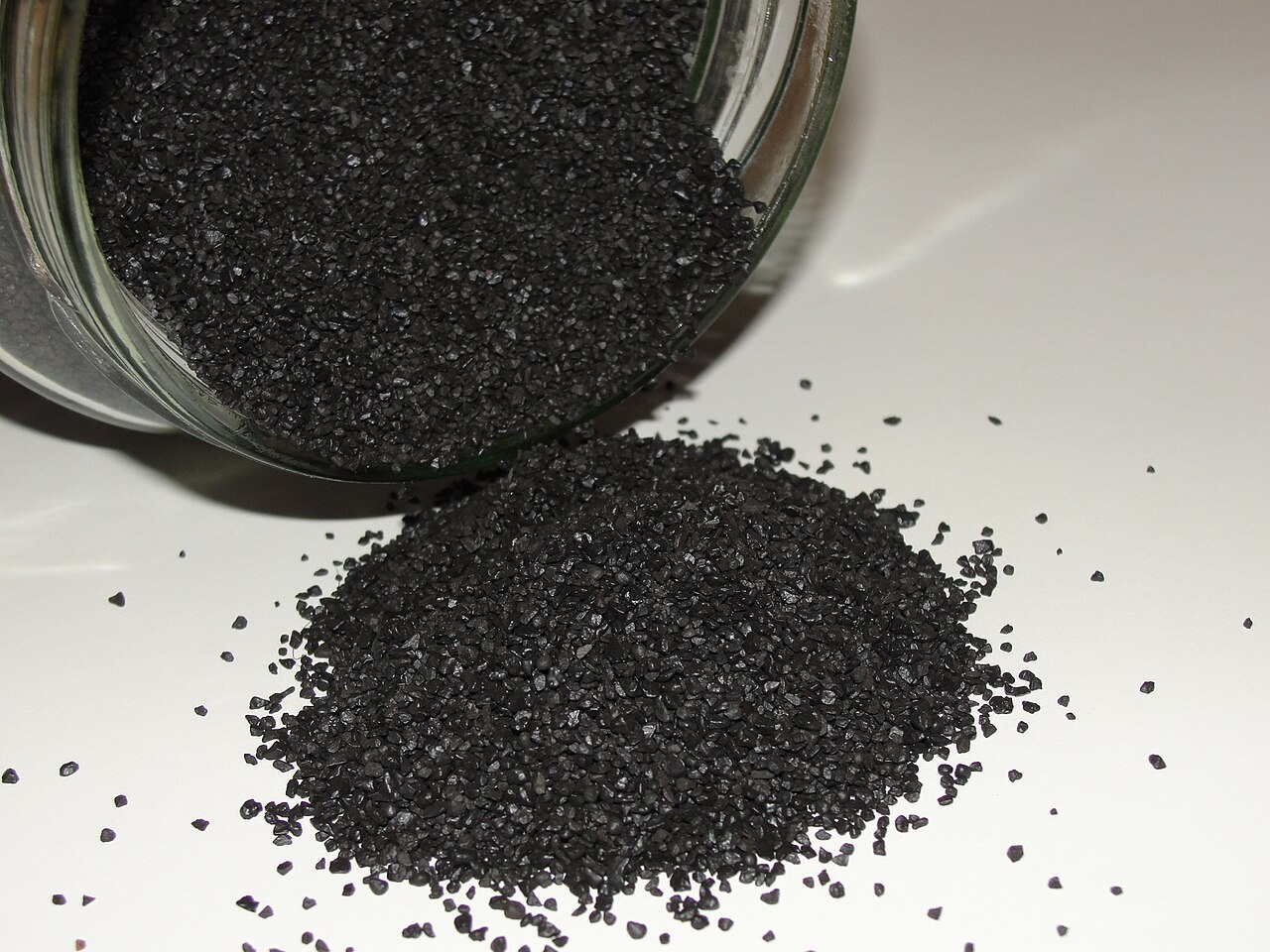
Black powder, the OG of explosives, is a granular mixture primarily composed of saltpeter, charcoal, and sulfur. This potent concoction, dating back centuries, is the foundational explosive that propelled humanity into the age of firearms and artillery. Unlike its modern, cleaner-burning successors, black powder produces a significant amount of smoke and residue, a characteristic that defines its historical and practical use. Its energetic reaction makes it suitable for both propulsive and explosive purposes, a duality that has shaped warfare, industry, and celebration for over a millennium.
📜 A Brief History: From Alchemy to Artillery
The precise origins of black powder are shrouded in the mists of ancient Chinese alchemy, with early recipes appearing around the 9th century CE. Initially explored for medicinal or even immortality-seeking purposes, its explosive potential was soon recognized. By the 13th century, its military applications had spread westward, dramatically altering the course of warfare and leading to the development of early firearms and cannons. This technological leap, driven by a simple chemical formula, fundamentally reshaped global power dynamics and spurred further innovation in metallurgy and engineering.
🔬 The Science Behind the Bang
The explosive power of black powder stems from a rapid, exothermic chemical reaction. When ignited, the potassium nitrate acts as an oxidizer, supplying oxygen to the sulfur and charcoal fuels. This combustion produces a large volume of hot gases – primarily nitrogen, carbon dioxide, and water vapor – that expand violently. The speed of this reaction, while slower than modern explosives, is sufficient to generate the pressure needed to propel projectiles from barrels or to break rock in mining operations. The specific ratios of ingredients, as well as the fineness of the grind and granulation, significantly impact its performance.
🛠️ Applications: More Than Just Fireworks
Beyond its notorious role in warfare, black powder has been a workhorse in civilian applications. For centuries, it was the primary tool for blasting and demolition in mining, quarrying, and civil engineering projects like road and tunnel construction. Its use in pyrotechnics for fireworks and signaling is legendary, creating the dazzling displays that have become synonymous with celebrations worldwide. Even in historical reenactments and muzzleloading firearms, black powder remains the authentic choice for enthusiasts seeking an authentic experience.
⚖️ Black Powder vs. Modern Propellants
Compared to modern smokeless powders, black powder is significantly less powerful and burns much more slowly. Smokeless powders, typically nitrocellulose-based, produce far less residue, are more consistent in performance, and are generally safer to handle in terms of accidental ignition. However, black powder's historical significance and unique energetic profile ensure its continued use in specific niches, particularly where authenticity is paramount or where its lower velocity is advantageous, such as in certain antique firearms or specialized demolition tasks.
⚠️ Safety & Handling: Respect the Spark
Handling black powder demands extreme caution and respect. It is highly sensitive to sparks, static electricity, and open flames. Storage should be in a cool, dry place, away from any potential ignition sources and incompatible materials. When using it, proper grounding, non-sparking tools, and appropriate personal protective equipment are non-negotiable. Accidental ignition can lead to severe injury or death, making adherence to strict safety protocols essential for anyone working with this material.
💰 Acquisition & Legality: Know the Rules
Acquiring black powder often involves navigating specific legal frameworks, as it is classified as an explosive material in many jurisdictions. Purchasers may need to hold specific licenses or permits, and there are often restrictions on quantities and transportation. Reputable dealers specializing in historical firearms, pyrotechnics, or industrial explosives are the primary sources. Always verify local and national regulations before attempting to purchase or transport black powder to avoid legal repercussions.
🌟 Vibepedia Vibe Score & Controversy
Black powder boasts a Vibe Score of 78/100, reflecting its profound historical impact and enduring cultural presence, particularly within historical reenactment and pyrotechnics communities. The Controversy Spectrum for black powder is moderate, primarily revolving around safety regulations and its historical association with warfare. Debates often center on the balance between accessibility for historical enthusiasts and the inherent risks of handling such a volatile substance. Its legacy is undeniable, but its future is increasingly defined by stringent controls and specialized applications.
Key Facts
- Year
- 850
- Origin
- China
- Category
- Historical Technology
- Type
- Substance
Frequently Asked Questions
What are the main ingredients in black powder?
The primary ingredients are potassium nitrate (saltpeter), charcoal, and sulfur. These components are mixed in specific ratios, typically around 75% saltpeter, 15% charcoal, and 10% sulfur, though variations exist. The saltpeter acts as the oxidizer, providing oxygen for the combustion of the charcoal and sulfur fuels.
Is black powder still used today?
Yes, black powder continues to be used in several niche applications. These include historical firearms and reenactments, traditional fireworks displays, and some specialized industrial blasting where its unique burning characteristics are advantageous. However, it has largely been replaced by more powerful and stable modern explosives and propellants.
How is black powder ignited?
Black powder is typically ignited by a flame, spark, or fuse. In firearms, a primer ignites a small amount of powder, which then ignites the main charge. In pyrotechnics and blasting, a fuse or electric match is used to initiate the combustion process. It is highly sensitive to static electricity.
What are the dangers of handling black powder?
The primary danger is accidental ignition, which can cause severe burns, shrapnel injuries, and property damage. It is sensitive to sparks, static electricity, and open flames. Improper storage can also lead to degradation and increased instability. Always follow strict safety protocols.
Where can I legally buy black powder?
Legally purchasing black powder typically requires adherence to local and national regulations, which may include possessing specific licenses or permits. It is usually available from licensed dealers specializing in historical firearms, pyrotechnics, or industrial explosives. Always verify the legal requirements in your jurisdiction before attempting a purchase.
What's the difference between black powder and smokeless powder?
Black powder is a mixture of sulfur, charcoal, and saltpeter, producing significant smoke and residue. Smokeless powder, typically based on nitrocellulose, burns much cleaner, is more powerful, and is more stable. Smokeless powder is the standard propellant in most modern firearms.