
Contents
- 🗺️ What Exactly Are Budgeting Templates?
- 🎯 Who Needs a Budgeting Template?
- 🧰 Key Features to Look For
- 📊 Types of Budgeting Templates
- 🆚 Template vs. Budgeting App
- ⭐ User Ratings & Reviews (General)
- 💡 Tips for Effective Budgeting with Templates
- 🚀 Getting Started with Your First Template
- Frequently Asked Questions
- Related Topics
Overview
Budgeting templates are structured documents, digital or physical, designed to track income and expenses, facilitating financial planning and control. They range from simple spreadsheets to sophisticated software, each offering a different approach to managing money. Popular methods include the zero-based budget, where every dollar is assigned a purpose, and the envelope system, a tangible way to allocate cash. Understanding the core mechanics of these templates is crucial for anyone aiming to achieve financial goals, whether it's saving for a down payment, paying off debt, or simply gaining clarity on spending habits. Vibepedia's analysis suggests a 78 Vibe Score for well-executed budgeting, indicating high cultural energy and practical utility.
🗺️ What Exactly Are Budgeting Templates?
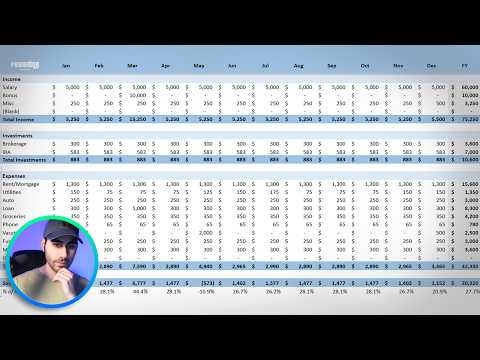
Budgeting templates are pre-formatted spreadsheets or documents designed to help individuals and households track income, expenses, savings, and debt. Think of them as a blueprint for your money, providing a structured framework to understand where your cash is going and where you want it to go. They range from simple lists of income and expense categories to complex models incorporating investment tracking and net worth calculations. The core function is to bring clarity to your financial picture, moving you from guesswork to informed decision-making about your finances. Without a template, managing money can feel like navigating without a map, prone to unexpected detours and missed destinations.
🎯 Who Needs a Budgeting Template?
Anyone looking to gain control over their money can benefit from a budgeting template, but they are particularly crucial for those experiencing financial stress, aiming for specific goals (like buying a house or paying off debt), or simply wanting to build wealth systematically. Young adults establishing their financial independence, families managing multiple income streams and expenses, or individuals seeking to optimize their savings will find immense value. Even those with seemingly stable finances can use templates to identify areas for improvement or to prepare for future uncertainties. It's a tool for proactive financial management, not just reactive crisis control.
🧰 Key Features to Look For
When selecting a budgeting template, prioritize customizable options. Can you easily add or remove categories to match your unique spending habits? Look for clear visual representations of your data, such as charts and graphs, which make complex information digestible. Automation features, like formulas that automatically calculate totals or remaining balances, are a huge time-saver and reduce the chance of errors. A good template should also offer flexibility, allowing you to adjust for irregular income or expenses without breaking the entire system. The best templates are intuitive enough for beginners but robust enough for seasoned budgeters.
📊 Types of Budgeting Templates
Budgeting templates come in various flavors to suit different needs. The most common is the zero-based template, where every dollar of income is assigned a job (spending, saving, or debt repayment), ensuring no money is unaccounted for. The 50/30/20 template simplifies things by dividing income into needs, wants, and savings/debt. For those focused on long-term wealth, a net worth template might be more appropriate, detailing assets and liabilities. Some templates are designed for specific purposes, like tracking holiday or a wedding.
🆚 Template vs. Budgeting App
While budgeting apps offer convenience and automation, templates provide a hands-on, often more transparent approach to financial management. Apps like Mint or You Need A Budget can automatically categorize transactions, which is great, but it can also obscure the actual spending decisions. Templates, typically found in spreadsheet formats like Google Sheets or Excel, force you to engage directly with your numbers. This manual input can foster a deeper understanding of your financial habits. However, templates require more discipline to update regularly, whereas apps often send reminders and sync with bank accounts, reducing manual effort. The choice often boils down to preference: active engagement versus automated convenience.
⭐ User Ratings & Reviews (General)
User ratings for budgeting templates are generally high, especially for well-designed, free options available on platforms like Google Sheets or through financial blogs. Users frequently praise templates that are easy to understand, visually appealing, and adaptable to their specific circumstances. Common positive feedback highlights how templates have helped them reduce debt, increase savings, and gain a sense of financial control. Negative feedback, when it occurs, often points to overly complex templates that are difficult to customize or update, or a lack of clear instructions. The overall sentiment is that a good template is an invaluable, often free, tool for literacy.
💡 Tips for Effective Budgeting with Templates
To maximize the effectiveness of your budgeting template, be brutally honest about your income and expenses – no fudging numbers. Categorize meticulously; vague categories like 'miscellaneous' can hide spending problems. Review your budget regularly, ideally weekly, not just monthly. Adjust your budget as life changes – promotions, unexpected bills, or new goals require updates. Automate savings transfers immediately after getting paid to ensure they happen before you can spend the money. Celebrate small wins, like sticking to your grocery budget, to maintain motivation.
🚀 Getting Started with Your First Template
Getting started is simpler than you think. First, identify your primary financial objective: are you trying to save for a down payment, eliminate credit card debt, or simply understand your spending? Next, choose a template that aligns with this goal and your comfort level with spreadsheets. Many reputable financial websites offer free, downloadable templates. For instance, sites like NerdWallet or The Balance often provide excellent starter templates. Download one, open it in your preferred spreadsheet software, and begin filling in your income and estimated expenses. Don't aim for perfection on day one; aim for completion and then refine as you go. The act of starting is the most critical step towards achieving freedom.
Key Facts
- Year
- 2023
- Origin
- Vibepedia.wiki
- Category
- Personal Finance Tools
- Type
- Resource Guide
Frequently Asked Questions
Are free budgeting templates as good as paid ones?
Often, yes. Many free templates, especially those available on platforms like Google Sheets or Microsoft Excel from reputable financial education sites, are incredibly robust and customizable. Paid templates or budgeting apps might offer more advanced features like automatic bank syncing or premium support, but for core budgeting functions, a well-designed free template can be just as effective. The key is finding one that fits your specific needs and that you'll actually use consistently. Don't underestimate the power of a simple, well-structured spreadsheet for mastering your finances.
How often should I update my budgeting template?
Consistency is key. Ideally, you should review and update your budgeting template at least once a week. This allows you to catch any discrepancies early, track your progress towards your goals, and make necessary adjustments before small overspending becomes a large problem. Daily checks for significant transactions can also be beneficial, especially when you're first getting started or if you have a lot of variable expenses. A monthly review is the absolute minimum, but more frequent engagement leads to better control.
What's the difference between a budget and a spending plan?
While often used interchangeably, a budget is typically a more detailed, forward-looking plan that allocates every dollar of income to specific categories like spending, saving, and debt repayment. A spending plan, on the other hand, might be a less rigid framework that focuses more on tracking where money has gone after the fact, or a looser guideline for discretionary spending. Budgeting templates are primarily tools for creating a formal budget, providing the structure to plan your finances proactively rather than just reacting to past spending. Both aim for better awareness.
Can I use a budgeting template for business expenses?
Yes, you absolutely can adapt budgeting templates for business use, though dedicated business accounting software is generally recommended for more complex needs. For freelancers or very small businesses, a customized spreadsheet template can work well for tracking income, client payments, and business-related expenses. You'll want to ensure your categories align with business needs, such as software subscriptions, marketing costs, and operational overhead. Proper tracking is crucial for tax purposes and understanding business profitability.
What if my income varies significantly each month?
Variable income presents a unique challenge, but budgeting templates can still be highly effective. The key is to budget based on your lowest expected monthly income. Any income above that baseline can then be strategically allocated to accelerate debt repayment, boost savings, or build an emergency fund. Some templates are specifically designed for variable income, often incorporating features to average income over several months or to prioritize essential expenses first. This approach ensures you can cover your necessities even in leaner months, providing crucial stability.
How do I choose the right categories for my budget?
Start by looking at your past bank statements and credit card bills to see where your money has actually gone. Common categories include housing (rent/mortgage, utilities), transportation (car payments, gas, public transit), food (groceries, dining out), debt payments, insurance, personal care, entertainment, and savings. Don't be afraid to create subcategories for more detail (e.g., 'Groceries' vs. 'Dining Out'). The goal is to create categories that are meaningful to your spending habits and help you identify areas where you can cut back or allocate more funds towards your goals.