
Contents
- ☕ What Exactly Is a Cafe?
- 📍 The Global Cafe Spectrum
- 💡 Beyond the Bean: Food & Fare
- 🎶 Vibe & Atmosphere: The Unspoken Menu
- 💰 Pricing Tiers: From Budget Brews to Artisanal Indulgences
- ⭐ User Ratings & Cafe Culture
- 🤔 Cafe vs. Coffee Shop vs. Espresso Bar: Decoding the Lingo
- 🚀 The Future of the Cafe Experience
- Frequently Asked Questions
- Related Topics
Overview
A cafe, at its most fundamental, is a public establishment dedicated to the preparation and sale of coffee and other beverages. While the ubiquitous espresso machine forms the heart of most operations, the definition stretches to encompass a wide array of offerings. From the quick caffeine fix of an Americano to the frothy indulgence of a Cappuccino, these spaces cater to diverse palates. Many also serve as informal meeting points, study nooks, or brief respites from the urban hustle, making them integral to the social fabric of many communities. The modern cafe is more than just a place to drink; it's a destination.
📍 The Global Cafe Spectrum
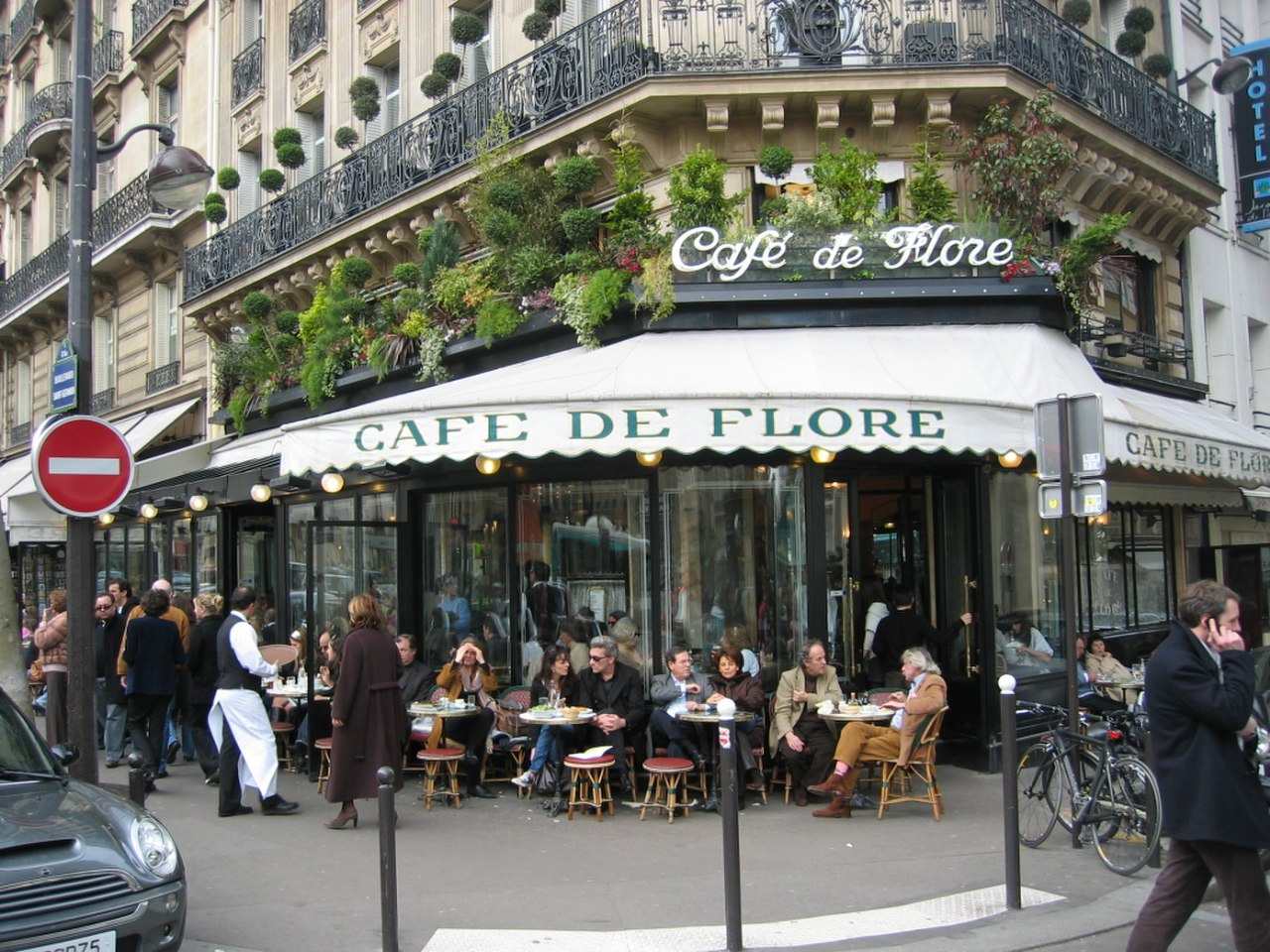
The cafe experience is remarkably fluid, adapting to local customs and preferences. In continental Europe, for instance, cafes often blur the lines with bars, serving alcoholic beverages alongside their coffee. In West Asia, the tradition of serving flavored shisha or nargile adds another dimension, transforming the cafe into a communal hub for conversation and relaxation. Even within a single country, regional variations abound, from the quick-service doughnut shops in North America that pair their pastries with coffee, to the more leisurely, sit-down establishments found elsewhere. This global adaptability is a key factor in the cafe's enduring appeal.
💡 Beyond the Bean: Food & Fare
While coffee is the star, the supporting cast of food offerings can elevate a cafe from a simple beverage stop to a culinary destination. Many cafes provide a range of light snacks, from muffins and pastries to more substantial fare like sandwiches and breads. These edible accompaniments are often designed to complement the coffee, offering a balance of flavors and textures. The quality and variety of food can significantly influence a cafe's overall vibe and appeal, attracting a broader customer base beyond just coffee aficionados. Some establishments even specialize in artisanal baked goods, turning the cafe into a de facto bakery.
💰 Pricing Tiers: From Budget Brews to Artisanal Indulgences
The cost of a cafe experience can vary dramatically, reflecting the quality of ingredients, the complexity of the drinks, and the overall service. A basic drip coffee might cost as little as $2-$3 in a no-frills establishment, while a specialty latte with artisanal milk and premium beans could easily run $5-$7 or more. Food items follow a similar spectrum, from a dollar doughnut to a gourmet sandwich priced at $12-$15. Factors like location (urban centers versus suburban towns), brand reputation, and the inclusion of amenities like free Wi-Fi also influence pricing. Understanding these tiers helps manage expectations and budget accordingly.
⭐ User Ratings & Cafe Culture
User ratings and reviews on platforms like Google Maps and Yelp offer a crowd-sourced perspective on cafe quality and experience. These ratings, typically on a 1-5 star scale, often highlight specific strengths or weaknesses, such as the quality of the espresso, the friendliness of the baristas, the speed of service, or the comfort of the seating. Cafe culture itself is a significant driver, with many patrons seeking out establishments that align with their personal values, whether that's supporting local businesses, prioritizing sustainable sourcing, or finding a welcoming space for community engagement. These reviews are invaluable for navigating the vast cafe landscape.
🤔 Cafe vs. Coffee Shop vs. Espresso Bar: Decoding the Lingo
While often used interchangeably, there are subtle distinctions between 'cafe,' 'coffee shop,' and 'espresso bar.' An 'espresso bar' typically focuses intensely on espresso-based drinks, often with a minimalist setup and a quick service model. A 'coffee shop' is a broader term, encompassing establishments that might offer a wider range of beverages and food, including drip coffee and pastries. A 'cafe' often implies a more relaxed atmosphere, potentially with more extensive food options, including light meals, and sometimes even alcoholic beverages, especially in European contexts. The lines are frequently blurred, but understanding these nuances can help set expectations.
🚀 The Future of the Cafe Experience
The cafe of the future will likely see a continued evolution driven by technology, sustainability, and changing consumer habits. Expect more integration of mobile ordering apps and loyalty programs, alongside a greater emphasis on ethically sourced beans and eco-friendly practices. The rise of the 'third place' concept—a social environment separate from home and work—will continue to fuel demand for comfortable, well-equipped cafes. We might also see further specialization, with cafes focusing on niche offerings like single-origin pour-overs, unique brewing methods, or even incorporating elements of co-working spaces more formally. The challenge will be to maintain authenticity and community spirit amidst increasing commercialization.
Key Facts
- Year
- 15th Century
- Origin
- Constantinople (modern-day Istanbul)
- Category
- Social Spaces
- Type
- Concept
Frequently Asked Questions
What's the difference between a cafe and a coffee shop?
While the terms are often used interchangeably, a 'cafe' can sometimes imply a more relaxed atmosphere with a broader food menu, potentially including light meals or even alcoholic drinks, especially in European contexts. A 'coffee shop' is a more general term, often focusing primarily on coffee and simpler accompaniments like pastries. An 'espresso bar' specifically emphasizes espresso-based drinks and often has a faster service model.
Are cafes good places for remote work?
Many cafes are indeed well-suited for remote work, offering amenities like free Wi-Fi, ample power outlets, and a generally conducive atmosphere for focus. However, it's wise to check individual cafe policies, as some may have time limits or discourage prolonged stays during peak hours. The 'vibe' of the cafe—whether it's quiet and studious or bustling and social—will also significantly impact productivity.
What kind of food can I expect at a cafe?
The food offerings at cafes vary widely. Common items include pastries, muffins, scones, cookies, and doughnuts. Many also serve sandwiches, salads, soups, and quiches. Some cafes, particularly in Europe, might offer more substantial meals. The food is generally intended to be light fare that complements the beverages, though some establishments have developed strong culinary reputations in their own right.
How can I find highly-rated cafes near me?
You can easily find highly-rated cafes by using online platforms like Google Maps, Yelp, or TripAdvisor. These platforms allow you to search for 'cafes' in your area and filter results by user ratings, price range, and specific amenities like Wi-Fi or outdoor seating. Reading recent reviews can provide valuable insights into the current quality and atmosphere.
Do cafes serve alcoholic drinks?
In many parts of continental Europe, it is common for cafes to serve alcoholic beverages, such as wine, beer, or even cocktails, alongside coffee and food. In other regions, like North America, cafes typically focus exclusively on non-alcoholic beverages, though some may offer coffee-based liqueurs. It's best to check the menu or ask staff if you're unsure about alcoholic offerings.
What does 'specialty coffee' mean in a cafe context?
'Specialty coffee' refers to coffee that has been graded 80 points or higher on a 100-point scale by a qualified coffee taster. This designation signifies high-quality beans, meticulous processing, and expert roasting and brewing. Cafes that emphasize specialty coffee often highlight the origin of their beans, the flavor profiles, and specific brewing methods like pour-over or Aeropress.