
Contents
Overview
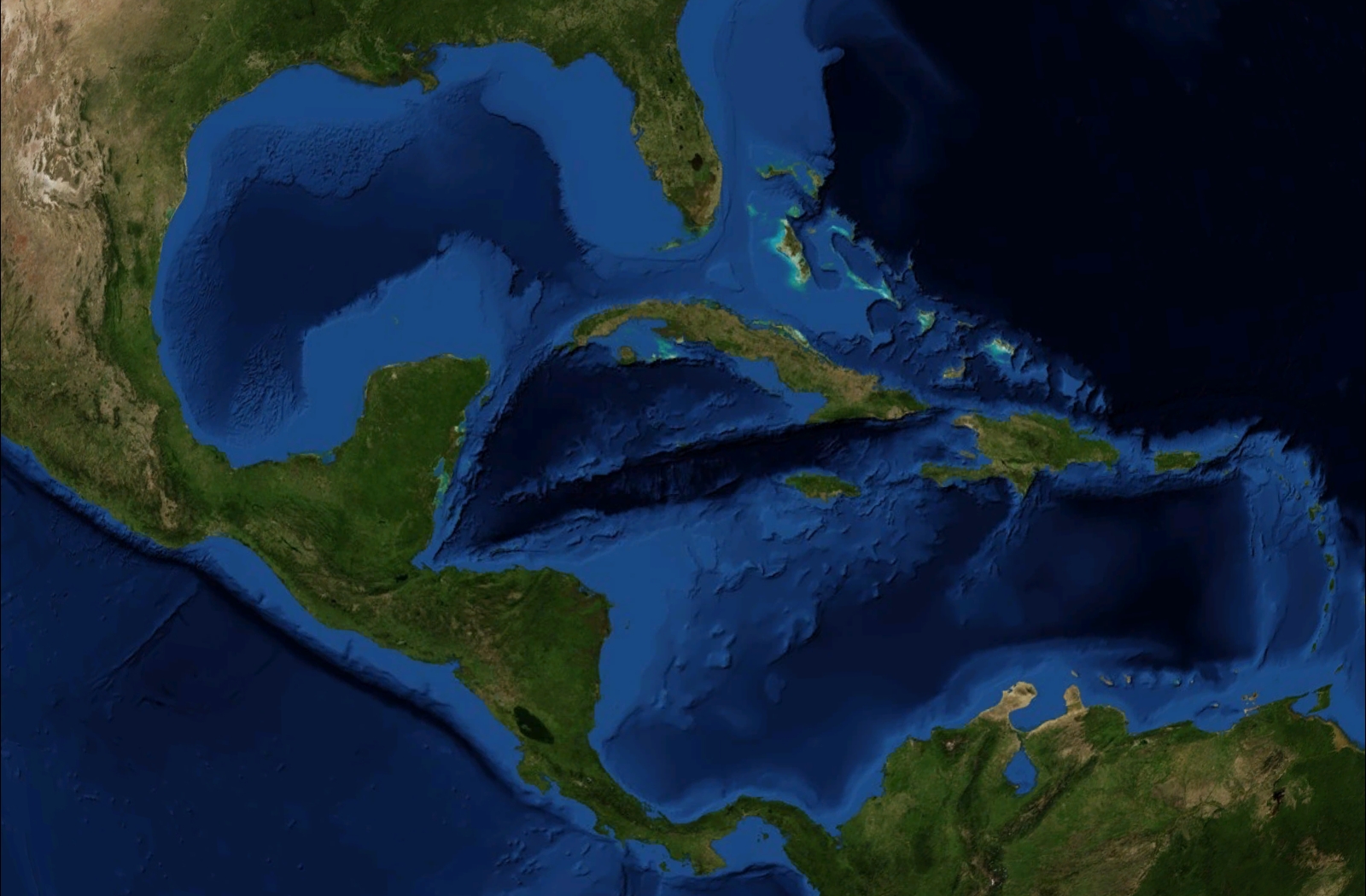
The Caribbean Sea, a vast expanse of the Western Hemisphere's North Atlantic Ocean, is situated south of the Gulf of Mexico and bordered by a rich tapestry of islands and continental coastlines—from the Greater Antilles to the Lesser Antilles, and from South America to Central America—it forms the heart of the vibrant geopolitical region known as the Caribbean. This sea is not merely a body of water; it's a crucible of biodiversity, a historical conduit for global trade and conflict, and a cultural melting pot. Its deepest point, the Cayman Trough, plunges to 7,686 meters, a testament to its geological dynamism. From the ancient mariners who navigated its currents to the modern cruise ships that ply its waters, the Caribbean Sea has consistently been a stage for human endeavor and natural spectacle.
🎵 Origins & History
The geological genesis of the Caribbean Sea is a complex tale of tectonic plate movement. Indigenous peoples like the Taíno people and Carib people were its first mariners, developing sophisticated seafaring techniques. European exploration marked a dramatic turning point, ushering in centuries of colonial competition. Spain, France, Britain, and the Netherlands vied for control of its islands and trade routes, transforming it into a critical, albeit often brutal, nexus for the Transatlantic slave trade and the extraction of resources like sugar, rum, and precious metals. The strategic importance of the Caribbean Sea fueled numerous naval battles and piracy, with figures like Blackbeard (Edward Teach) becoming legendary.
⚙️ How It Works
The Caribbean Sea functions as a complex hydrological and ecological system. Its waters are largely warm, tropical, and relatively saline. It is part of the Atlantic Meridional Overturning Circulation (AMOC), influencing global climate patterns. The sea is fed by several major rivers, including the Magdalena River and the Orinoco River, which carry sediment and nutrients, contributing to its rich marine ecosystems. Its circulation is driven by trade winds and influenced by the Gulf Stream system, with water entering from the Atlantic Ocean through the Windward Passage and the Anegada Passage and exiting via the Yucatán Channel into the Gulf of Mexico. This dynamic exchange supports an astonishing array of marine life, from vast coral reef systems to migratory whale populations.
📊 Key Facts & Numbers
The Caribbean Sea is a colossal body of water, covering an area of approximately 2,754,000 square kilometers (1,063,000 sq mi). Its deepest point, the Cayman Trough, plunges to a staggering 7,686 meters (25,217 ft) below sea level. The region boasts over 7,000 islands, islets, and cays, with a total coastline exceeding 30,000 kilometers. Economically, the Caribbean Sea is a powerhouse; in 2022, cruise tourism alone generated an estimated $40 billion in economic activity for the region. It is also a vital shipping lane, with approximately 15% of global maritime trade passing through its waters annually. The region is home to over 40 million people, spread across 13 independent island nations and numerous territories.
👥 Key People & Organizations
Numerous individuals and organizations have shaped and continue to influence the Caribbean Sea. Historically, figures like Simón Bolívar, who led independence movements across South America, and Toussaint Louverture, the leader of the Haitian Revolution, are pivotal. Modernly, organizations like the Association of Caribbean States (ACS) work to promote cooperation and sustainable development. The Intergovernmental Oceanographic Commission (IOC-UNESCO) plays a crucial role in marine research and conservation efforts across the region. The Caribbean Community (CARICOM) is a key political and economic bloc representing 15 member states and 5 associate members, focusing on regional integration and addressing shared challenges. The World Wildlife Fund (WWF) and The Nature Conservancy are prominent NGOs working on marine conservation initiatives.
🌍 Cultural Impact & Influence
The cultural resonance of the Caribbean Sea is profound and multifaceted. It is the birthplace of musical genres like Reggae, Salsa, and Calypso, sounds that have captivated global audiences. The region's cuisine, a vibrant fusion of African, European, and indigenous flavors, is renowned worldwide. The sea itself features prominently in literature and art, from the romanticized tales of pirates to contemporary novels exploring island life and identity. The annual Carnival celebrations across islands like Trinidad and Tobago and Barbados are world-famous spectacles, drawing millions and showcasing the region's unique cultural vibrancy. The shared history of colonialism and the subsequent development of distinct island identities have created a rich, complex cultural tapestry intrinsically linked to the sea.
⚡ Current State & Latest Developments
The Caribbean Sea is currently facing significant environmental pressures. Climate change is leading to rising sea temperatures, causing widespread coral bleaching events, such as those observed in the Mesoamerican Barrier Reef System in recent years. Increased hurricane intensity, like Hurricane Maria in 2017 and Hurricane Irma in 2017, poses a constant threat to coastal communities and infrastructure. Overfishing and pollution from agricultural runoff and plastic waste are also critical issues impacting marine biodiversity. Efforts are underway to promote sustainable tourism and fisheries management, with initiatives like the Blue Economy gaining traction among regional governments and international bodies. The push for renewable energy sources, particularly offshore wind, is also a growing development.
🤔 Controversies & Debates
The Caribbean Sea is a focal point for several ongoing controversies and debates. One major contention revolves around the exploitation of offshore oil and gas reserves, particularly by countries like Venezuela and Guyana, which raises concerns about environmental risks and potential spills impacting fragile ecosystems and neighboring nations. The management of shared fisheries resources is another area of dispute, as national quotas and fishing practices can lead to tensions between countries. Furthermore, the debate over climate change adaptation strategies and the equitable distribution of climate finance to vulnerable island nations remains a persistent challenge. The historical legacy of colonialism and its impact on current economic disparities also fuels ongoing discussions about reparations and equitable development.
🔮 Future Outlook & Predictions
The future of the Caribbean Sea is inextricably linked to global climate action and regional cooperation. Projections suggest continued warming and sea-level rise, necessitating significant investment in coastal resilience and adaptation infrastructure. The expansion of the Blue Economy is expected to drive sustainable development, focusing on marine biotechnology, sustainable aquaculture, and ecotourism. Regional bodies like the Caribbean Development Bank are investing in renewable energy projects to reduce reliance on fossil fuels. There is also a growing emphasis on marine protected areas and ecosystem restoration, with targets to significantly increase coverage by 2030. The success of these initiatives will depend on robust international partnerships and strong political will within the region to address shared environmental and economic challenges.
💡 Practical Applications
The Caribbean Sea serves as a vital artery for global commerce, with major shipping routes facilitating the transport of goods between North America, South America, and Europe. It is a premier global destination for tourism, with cruise lines like Royal Caribbean International and Carnival Cruise Line operating extensive itineraries, generating billions in revenue. The region's waters are rich in fisheries, providing essential food sources and livelihoods for millions, though sustainable management is crucial. Furthermore, the sea's unique biodiversity makes it a critical site for scientific research, particularly in marine biology, oceanography, and the study of coral reefs, with institutions like the Smithsonian Tropical Research Institute conducting extensive work. The potential for offshore wind energy is also being explored as a means to diversify the region's energy portfolio.
Key Facts
- Category
- nature
- Type
- topic