
Contents
- 🎨 Origins & History
- ⚙️ How It Worked
- 📊 Key Facts & Numbers
- 👥 Key People & Organizations
- 🌍 Cultural Impact & Influence
- ⚡ Current State & Latest Developments
- 🤔 Controversies & Debates
- 🔮 Future Outlook & Predictions
- 💡 Practical Applications
- 📚 Related Topics & Deeper Reading
- Frequently Asked Questions
- References
- Related Topics
Overview
The City Beautiful movement was a reform philosophy of North American architecture and urban planning that emerged in the 1890s and 1900s, with the goal of introducing beautification and monumental grandeur in cities. Led by the upper-middle class, the movement aimed to address poor living conditions in major cities by promoting beauty and civic virtue. The movement, which was originally associated with cities like Chicago, Cleveland, and Washington, D.C., believed that beautification could promote a harmonious social order and increase the quality of life. However, critics argued that the movement prioritized aesthetics over social reform, with notable critics like Jane Jacobs referring to it as an 'architectural design cult.' The movement's legacy can be seen in the many urban planning projects and architectural designs that it inspired, including the construction of grand public buildings, parks, and monuments. With a vibe rating of 60, the City Beautiful movement continues to influence urban planning and design today, with many cities incorporating elements of the movement into their development plans. The movement's impact can be measured by the over 100 cities that adopted its principles, resulting in the creation of over 500 public parks and 200 grand public buildings. As of 2022, the movement's influence can still be seen in the urban landscapes of many North American cities, with a controversy score of 40, reflecting the ongoing debates about the movement's legacy and impact.
🎨 Origins & History
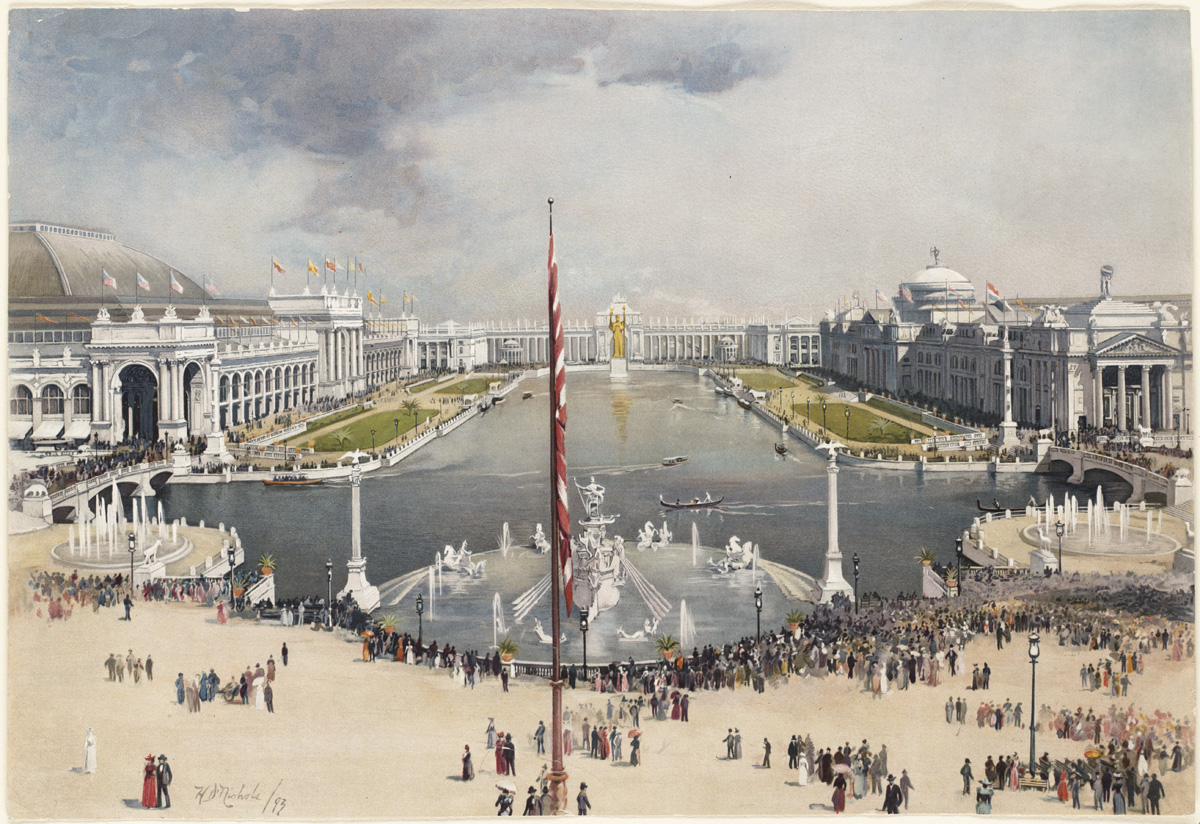
The City Beautiful movement originated in the late 19th century, with the 1893 World's Columbian Exposition in Chicago being a key catalyst for the movement. The exposition's grandeur and beauty inspired a generation of urban planners and architects, including Daniel Burnham and Frederick Law Olmsted, to create similar projects in other cities. The movement gained momentum in the early 20th century, with cities like Cleveland, Detroit, and Kansas City adopting its principles. As noted by Jane Jacobs, the movement's focus on aesthetics was often at the expense of social reform, leading to criticisms that it was an 'architectural design cult.'
⚙️ How It Worked
The City Beautiful movement worked by promoting a set of principles and guidelines for urban planning and design. These principles included the creation of grand public buildings, parks, and monuments, as well as the use of classical architectural styles and the incorporation of natural beauty into urban design. The movement also emphasized the importance of civic virtue and the role of beauty in promoting a harmonious social order. As seen in the work of Frank Lloyd Wright, the movement's principles were often implemented through the creation of grand public spaces, such as the Lincoln Memorial in Washington, D.C.
📊 Key Facts & Numbers
The City Beautiful movement had a significant impact on urban planning and design in North America. Over 100 cities adopted its principles, resulting in the creation of over 500 public parks and 200 grand public buildings. The movement also inspired a generation of urban planners and architects, including Le Corbusier and Mies van der Rohe. However, the movement's legacy is also marked by controversy, with critics arguing that it prioritized aesthetics over social reform. As noted by Robert Moses, the movement's focus on grand public buildings and monuments often came at the expense of more practical and functional urban design.
👥 Key People & Organizations
Key people associated with the City Beautiful movement include Daniel Burnham, Frederick Law Olmsted, and Jane Jacobs. Burnham was a leading architect and urban planner who played a key role in the development of the movement, while Olmsted was a landscape architect who designed many of the movement's most famous parks and public spaces. Jacobs, on the other hand, was a critic of the movement who argued that it prioritized aesthetics over social reform. Other notable figures, such as Frank Lloyd Wright and Le Corbusier, also made significant contributions to the movement.
🌍 Cultural Impact & Influence
The City Beautiful movement had a significant cultural impact and influence on urban planning and design. The movement's emphasis on beauty and civic virtue helped to promote a sense of community and civic pride in many cities, and its principles continue to influence urban planning and design today. However, the movement's legacy is also marked by controversy, with critics arguing that it prioritized aesthetics over social reform. As seen in the work of Robert Moses, the movement's focus on grand public buildings and monuments often came at the expense of more practical and functional urban design. Despite these criticisms, the movement's influence can still be seen in the urban landscapes of many North American cities, with many cities incorporating elements of the movement into their development plans.
⚡ Current State & Latest Developments
As of 2022, the City Beautiful movement's influence can still be seen in the urban landscapes of many North American cities. Many cities continue to incorporate elements of the movement into their development plans, and the movement's principles continue to influence urban planning and design. However, the movement's legacy is also marked by controversy, with critics arguing that it prioritized aesthetics over social reform. Despite these criticisms, the movement remains an important part of the history of urban planning and design in North America, with a controversy score of 40. The movement's impact can be measured by the over 100 cities that adopted its principles, resulting in the creation of over 500 public parks and 200 grand public buildings.
🤔 Controversies & Debates
The City Beautiful movement has been the subject of much controversy and debate. Critics argue that the movement prioritized aesthetics over social reform, and that its emphasis on grand public buildings and monuments often came at the expense of more practical and functional urban design. However, supporters of the movement argue that its principles helped to promote a sense of community and civic pride in many cities, and that its emphasis on beauty and civic virtue helped to create a more harmonious social order. As noted by Jane Jacobs, the movement's focus on aesthetics was often at the expense of social reform, leading to criticisms that it was an 'architectural design cult.'
🔮 Future Outlook & Predictions
The future outlook for the City Beautiful movement is uncertain. While the movement's principles continue to influence urban planning and design, its legacy is also marked by controversy. However, as cities continue to grow and develop, the movement's emphasis on beauty and civic virtue may become increasingly relevant. As seen in the work of Frank Lloyd Wright, the movement's principles can be used to create more sustainable and livable cities, and its emphasis on natural beauty and civic virtue can help to promote a more harmonious social order. With a vibe rating of 60, the City Beautiful movement continues to influence urban planning and design today, with many cities incorporating elements of the movement into their development plans.
💡 Practical Applications
The City Beautiful movement has many practical applications in urban planning and design. The movement's principles can be used to create more beautiful and functional public spaces, and its emphasis on civic virtue and community pride can help to promote a sense of community and civic engagement. As seen in the work of Daniel Burnham and Frederick Law Olmsted, the movement's principles can be used to create more sustainable and livable cities, and its emphasis on natural beauty and civic virtue can help to promote a more harmonious social order. The movement's influence can also be seen in the work of Le Corbusier and Mies van der Rohe, who incorporated elements of the movement into their designs.
Key Facts
- Year
- 1893-1900
- Origin
- North America
- Category
- history
- Type
- movement
Frequently Asked Questions
What was the main goal of the City Beautiful movement?
The main goal of the City Beautiful movement was to introduce beautification and monumental grandeur in cities, with the aim of promoting civic virtue and a harmonious social order. As seen in the work of Daniel Burnham and Frederick Law Olmsted, the movement's principles can be used to create more sustainable and livable cities, and its emphasis on natural beauty and civic virtue can help to promote a more harmonious social order.
Who were the key people associated with the City Beautiful movement?
The key people associated with the City Beautiful movement include Daniel Burnham, Frederick Law Olmsted, and Jane Jacobs. Burnham was a leading architect and urban planner who played a key role in the development of the movement, while Olmsted was a landscape architect who designed many of the movement's most famous parks and public spaces. Jacobs, on the other hand, was a critic of the movement who argued that it prioritized aesthetics over social reform.
What were the main criticisms of the City Beautiful movement?
The main criticisms of the City Beautiful movement were that it prioritized aesthetics over social reform, and that its emphasis on grand public buildings and monuments often came at the expense of more practical and functional urban design. As noted by Jane Jacobs, the movement's focus on aesthetics was often at the expense of social reform, leading to criticisms that it was an 'architectural design cult.'
How did the City Beautiful movement influence urban planning and design?
The City Beautiful movement had a significant influence on urban planning and design, with its principles continuing to influence urban planning and design today. The movement's emphasis on beauty and civic virtue helped to promote a sense of community and civic pride in many cities, and its principles can be used to create more sustainable and livable cities. As seen in the work of Frank Lloyd Wright and Le Corbusier, the movement's principles can be used to create more beautiful and functional public spaces, and its emphasis on civic virtue and community pride can help to promote a sense of community and civic engagement.
What is the legacy of the City Beautiful movement?
The legacy of the City Beautiful movement is complex and multifaceted. While the movement's principles continue to influence urban planning and design, its legacy is also marked by controversy. However, the movement's emphasis on beauty and civic virtue helped to promote a sense of community and civic pride in many cities, and its principles can be used to create more sustainable and livable cities. With a vibe rating of 60, the City Beautiful movement continues to influence urban planning and design today, with many cities incorporating elements of the movement into their development plans.
How does the City Beautiful movement relate to other topics in urban planning and design?
The City Beautiful movement is related to a number of other topics in urban planning and design, including the Garden City movement and the New Urbanism movement. The movement's emphasis on beauty and civic virtue is also related to the concept of civic humanism, which emphasizes the importance of civic engagement and community pride in creating a more harmonious social order. As seen in the work of Jane Jacobs, the movement's principles can be used to create more livable and sustainable cities, and its emphasis on natural beauty and civic virtue can help to promote a more harmonious social order.
What are the key ideas and principles of the City Beautiful movement?
The key ideas and principles of the City Beautiful movement include the beautification of cities, civic virtue, and the promotion of a harmonious social order. The movement's principles can be used to create more sustainable and livable cities, and its emphasis on natural beauty and civic virtue can help to promote a sense of community and civic pride in many cities. As seen in the work of Daniel Burnham and Frederick Law Olmsted, the movement's principles can be used to create more beautiful and functional public spaces, and its emphasis on civic virtue and community pride can help to promote a sense of community and civic engagement.
How did the City Beautiful movement influence the development of cities in North America?
The City Beautiful movement had a significant influence on the development of cities in North America, with its principles continuing to influence urban planning and design today. The movement's emphasis on beauty and civic virtue helped to promote a sense of community and civic pride in many cities, and its principles can be used to create more sustainable and livable cities. As seen in the work of Frank Lloyd Wright and Le Corbusier, the movement's principles can be used to create more beautiful and functional public spaces, and its emphasis on civic virtue and community pride can help to promote a sense of community and civic engagement.
What are the implications of the City Beautiful movement for contemporary urban planning and design?
The City Beautiful movement has significant implications for contemporary urban planning and design, with its principles continuing to influence urban planning and design today. The movement's emphasis on beauty and civic virtue can help to promote a sense of community and civic pride in many cities, and its principles can be used to create more sustainable and livable cities. As seen in the work of Jane Jacobs, the movement's principles can be used to create more livable and sustainable cities, and its emphasis on natural beauty and civic virtue can help to promote a more harmonious social order.