
Contents
Overview
Coffee shops are more than just purveyors of caffeinated beverages; they are dynamic social hubs, economic engines, and cultural touchstones that have evolved from humble origins into ubiquitous global institutions. These establishments serve a spectrum of coffee drinks, from the foundational espresso to elaborate lattes, alongside teas, pastries, and light meals. Historically, they've been cradles of intellectual discourse and artistic expression, fostering community and providing a 'third place' between home and work. Today, the industry is a multi-billion dollar global market, dominated by giants like Starbucks but also thriving with independent roasters and local cafes, each cultivating a unique 'vibe.' The modern coffee shop navigates trends in sustainability, ethical sourcing, and digital integration, constantly redefining its role in contemporary society.
🎵 Origins & History
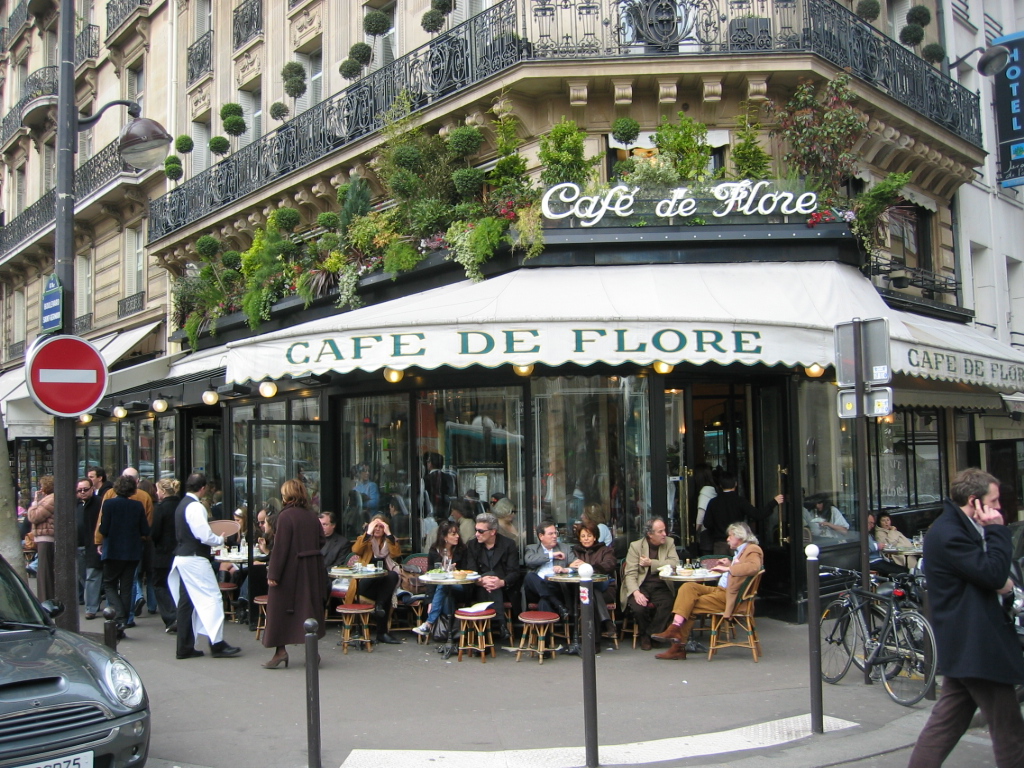
The first public coffee houses emerged in cities like Mecca and Medina. By the 17th century, coffee and its associated culture had spread to Europe, with London's "penny universities" becoming renowned intellectual melting pots where patrons could engage in lively debates for the price of a cup of coffee. Paris followed suit, with cafés like Le Procope becoming legendary haunts for Enlightenment thinkers and revolutionaries. The subsequent waves of global trade and colonialism, particularly through entities like the Dutch East India Company, facilitated the spread of coffee cultivation and consumption to Asia and the Americas, laying the groundwork for the modern coffeehouse.
⚙️ How It Works
At its core, a coffee shop operates on a simple yet complex model: sourcing quality coffee beans, expertly roasting and brewing them, and serving them to customers in a welcoming environment. The process begins with the procurement of green coffee beans, often from specific regions known for their distinct flavor profiles, such as Ethiopia or Colombia. These beans are then roasted, a critical step that develops their aroma and taste, with different roast profiles (light, medium, dark) catering to varied preferences. The brewing process itself is an art, utilizing methods like espresso extraction, pour-over, drip, or French press, each yielding a unique cup. Beyond coffee, many shops offer a curated selection of teas, baked goods, and light fare, often sourced from local bakeries or prepared in-house, further enhancing the customer experience and revenue streams. The ambiance, from music to seating arrangements, is meticulously designed to cultivate a specific 'vibe' that attracts and retains clientele.
📊 Key Facts & Numbers
The global coffee shop market is a colossal economic force. Starbucks remains a dominant player, operating over 38,000 stores worldwide as of 2023. However, the independent coffee shop sector is also robust, with estimates suggesting tens of thousands of such establishments across the United States. The average price of a specialty coffee drink can range from $3 to $6. Globally, over 10 million tons of coffee are produced annually, with over 2.25 billion cups consumed each day worldwide, underscoring the sheer scale of this industry.
👥 Key People & Organizations
Key figures and organizations have shaped the coffee shop landscape. Howard Schultz, former CEO of Starbucks, is credited with transforming the company from a small Seattle chain into a global behemoth, popularizing the 'third place' concept. The Specialty Coffee Association (SCA) is a leading non-profit organization dedicated to advancing coffee quality and sustainability, setting industry standards and providing education. Independent roasters and cafe owners, such as James Hoffmann (a prominent coffee educator and author) and the founders of influential cafes like Blue Bottle Coffee and Intelligentsia Coffee, have driven innovation in brewing techniques and ethical sourcing. Organizations like Fairtrade International work to ensure better prices, decent working conditions, and fair terms for coffee farmers, impacting the supply chain for countless shops.
🌍 Cultural Impact & Influence
Coffee shops have profoundly influenced culture, serving as incubators for ideas, artistic movements, and social change. Bohemian cafes in Paris became legendary meeting spots for writers and artists. In the mid-20th century, beatnik coffeehouses in Greenwich Village and North Beach became hubs for poets and musicians. Today, coffee shops continue to be vital community spaces, offering free Wi-Fi and a comfortable atmosphere that supports remote work, study groups, and casual social gatherings, making them integral to the fabric of urban and suburban life.
⚡ Current State & Latest Developments
The contemporary coffee shop scene is marked by several key trends. The rise of the 'third wave' coffee movement emphasizes artisanal quality, single-origin beans, and meticulous brewing methods, often championed by independent cafes. Sustainability and ethical sourcing are paramount, with consumers increasingly demanding transparency in the supply chain, leading many shops to partner with Fair Trade certified suppliers or implement direct trade relationships. Digital integration is also accelerating, with mobile ordering apps, loyalty programs, and the use of AI for inventory management and customer analytics becoming commonplace. Furthermore, the pandemic accelerated the adoption of grab-and-go models and ghost kitchens for coffee delivery services, reshaping operational strategies for many businesses.
🤔 Controversies & Debates
The coffee shop industry is not without its controversies. Debates rage over the true impact of 'fair trade' certifications, with some critics arguing they don't always guarantee living wages for farmers. The environmental footprint of coffee production, including water usage and waste generation from disposable cups, is another significant concern, prompting a push towards reusable alternatives and compostable packaging. The gentrification of urban neighborhoods is often linked to the proliferation of trendy coffee shops, raising questions about their role in displacing long-standing local businesses and residents.
🔮 Future Outlook & Predictions
The future of coffee shops points towards a continued emphasis on hyper-specialization and personalized experiences. Expect to see more shops focusing on niche offerings, such as rare single-origin beans, advanced brewing techniques like siphon brewing, or unique flavor infusions. The integration of technology will deepen, with AI-powered personalization, automated brewing systems, and augmented reality experiences potentially enhancing customer engagement. Sustainability will remain a critical driver, pushing for fully circular economies within the coffee supply chain, from farm to cup. The 'third place' concept will likely evolve, with shops potentially offering more co-working spaces, community event programming, and even wellness-focused amenities to cater to diverse customer needs in an increasingly hybrid work environment.
💡 Practical Applications
Coffee shops serve a multitude of practical functions beyond serving beverages. They act as informal meeting spaces for business professionals, providing a neutral ground for client consultations and team collaborations. For students and remote workers, they offer a change of scenery and reliable Wi-Fi, functioning as de facto offices or study halls. Many coffee shops also function as community hubs, hosting open mic nights, book clubs, art exhibitions, and local meetups, fostering social cohesion. Furthermore, they provide employment opportunities for baristas, roasters, and managers, contributing significantly to local economies. The retail aspect also extends to selling coffee beans, brewing equipment, and branded merchandise, creating additional revenue streams.
Key Facts
- Category
- culture
- Type
- topic