
Contents
Overview
The roots of curatorial practices can be traced back to the Renaissance cabinets of curiosity, private collections assembled by wealthy individuals in the 17th century. These early collections, often eclectic and unsystematic, were precursors to modern museums, laying the groundwork for the idea of gathering and preserving objects of interest. The Enlightenment saw the professionalization of these roles, with institutions like the British Museum (founded 1753) establishing more formal systems for acquisition, cataloging, and display. The curator emerged as a distinct professional figure by the 19th century, tasked with not only safeguarding collections but also interpreting them for an increasingly educated public, often through didactic exhibitions. The 20th century brought significant shifts, with conceptual art emerging in the mid-20th century further complicating the role, demanding curators who could engage with ideas as much as with physical objects.
⚙️ How It Works
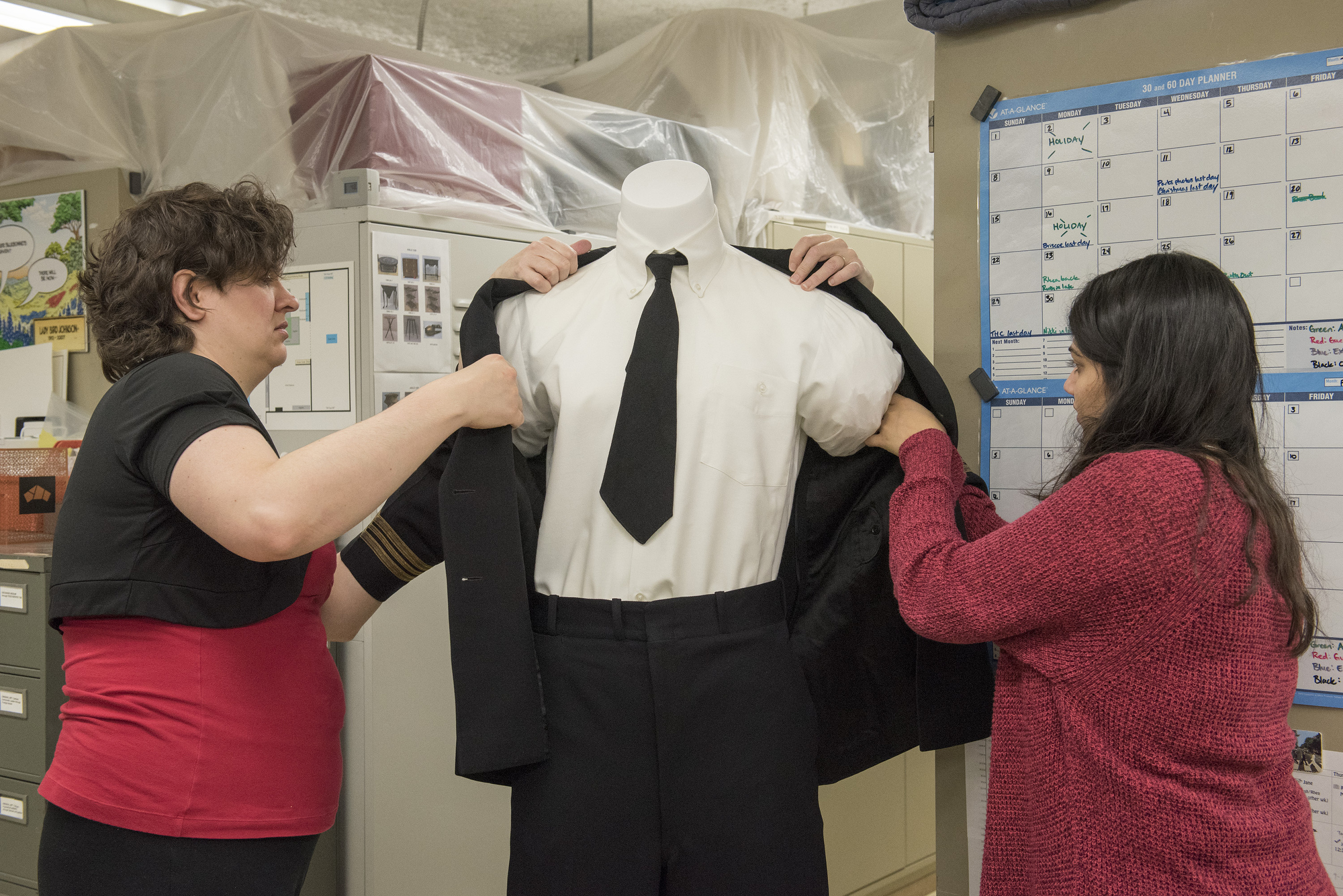
At its heart, curatorial practice involves a rigorous process of selection, research, interpretation, and presentation. For physical objects, this begins with acquisition – whether through purchase, donation, or fieldwork – followed by meticulous cataloging, conservation, and storage. Exhibition curators then develop conceptual frameworks, selecting specific items from the collection (or borrowing them) to tell a particular story, often supported by research, contextual information, and design elements. Digital curators face similar challenges, navigating vast datasets, selecting relevant content, and designing user interfaces that facilitate understanding and engagement. The process is inherently interpretive; a curator's choices about what to include, exclude, and how to frame it, imbue the presented material with specific meanings, reflecting their theoretical stance, institutional mandate, and understanding of the intended audience. This interpretive act is central to how knowledge is disseminated and understood within a given cultural context.
📊 Key Facts & Numbers
Globally, there are an estimated 550,000 museum professionals, with a significant portion engaged in curatorial roles, though precise global figures for "curators" are difficult to pin down due to varied job titles and institutional structures. Digital archives are growing exponentially, requiring sophisticated digital curation to make them accessible. The average museum exhibition can cost anywhere from $50,000 to over $5 million, with significant portions allocated to research, object handling, and interpretive materials, underscoring the resource-intensive nature of curatorial work.
👥 Key People & Organizations
Key figures in curatorial history include Sir Hans Sloane, whose vast collection formed the foundation of the British Museum, and William Curtis, a pioneering botanist and curator of his own extensive botanical collections in the late 18th century. In the modern era, Terry Smith has been influential in art history and criticism, often engaging with curatorial theory. Organizations like the International Council of Museums (ICOM) set professional standards and facilitate global dialogue among museum professionals. Major institutions such as the Museum of Modern Art (MoMA) in New York and the Tate Modern in London are crucibles for developing and showcasing cutting-edge curatorial practices. The Solomon R. Guggenheim Foundation has also been instrumental in commissioning and presenting ambitious exhibitions that push the boundaries of display.
🌍 Cultural Impact & Influence
Curatorial practices have profoundly shaped public perception and cultural narratives. The way historical events are presented in museums, for instance, can cement certain interpretations and marginalize others, influencing national identity and collective memory. In the art world, curators act as gatekeepers and tastemakers, their selections determining which artists gain prominence and which movements are recognized. The rise of blockbuster exhibitions, popularized by figures like Thomas Krens at the Guggenheim Museum in the late 20th century, transformed museums into cultural destinations, impacting tourism and local economies. Furthermore, digital curation on platforms like Wikipedia and YouTube has democratized access to information, though it also raises questions about authority, bias, and the curation of online knowledge itself, impacting how billions consume information daily.
⚡ Current State & Latest Developments
The digital revolution continues to redefine curatorial practices. Institutions are increasingly developing robust digital collections, virtual exhibitions, and online educational resources, expanding their reach beyond physical spaces. The rise of AI is also presenting new tools and challenges, from AI-assisted cataloging to the potential for AI-generated exhibitions. Community curation, where non-expert groups play a direct role in selecting and interpreting content, is gaining traction as a way to diversify perspectives and foster greater inclusivity. Simultaneously, there's a growing emphasis on decolonizing museum collections and exhibition practices, prompting a critical re-examination of historical acquisitions and the narratives they perpetuate, with many institutions like the National Museum of African American History and Culture leading these efforts.
🤔 Controversies & Debates
One of the most persistent controversies revolves around the politics of selection: whose stories get told, and whose are omitted? This is particularly acute in discussions of decolonizing museum collections, where the provenance of artifacts and the historical power dynamics of acquisition are under intense scrutiny, leading to demands for repatriation from institutions like the British Museum. The role of the curator as an authority figure is also debated; some argue for more collaborative, community-driven approaches to counter potential biases, while others defend the necessity of expert interpretation. The commercialization of art and culture, driven by market forces and blockbuster exhibitions, raises questions about whether curatorial decisions are driven by artistic merit or financial gain, a tension often seen in the operations of major auction houses like Sotheby's and Christie's.
🔮 Future Outlook & Predictions
The future of curatorial practices will likely be shaped by further integration of digital technologies and a continued push for inclusivity. Expect to see more immersive experiences, potentially leveraging virtual reality and augmented reality, to engage audiences in novel ways. AI will likely play an increasing role in data management, audience analysis, and even content generation, prompting new ethical considerations. The trend towards community and participatory curation is expected to grow, challenging traditional hierarchies and empowering diverse voices. Furthermore, as the lines between physical and digital blur, curators will need to develop hybrid strategies that bridge these realms, creating cohesive experiences that transcend medium and location, potentially leading to new forms of cultural institutions that are less bound by physical constraints.
💡 Practical Applications
Curatorial practices are applied across a vast spectrum of fields. In museums and galleries, they are fundamental to exhibition development, collection management, and public
Key Facts
- Category
- culture
- Type
- topic