
Contents
Overview
Dangote Cement Plc, founded by Aliko Dangote, stands as Africa's largest cement producer, a titan whose operations span multiple countries across the continent. Its rapid expansion, fueled by strategic acquisitions and greenfield projects, has fundamentally reshaped cement markets, often leading to significant price drops and increased accessibility for construction. The company's influence extends beyond mere production, impacting infrastructure development, job creation, and economic growth in its operating regions. While lauded for its scale and ambition, Dangote Cement also faces scrutiny regarding market competition, environmental impact, and its role in national economies.
🏗️ The Cement King of Africa
Dangote Cement Plc isn't just a company; it's a foundational pillar of modern African infrastructure. As the continent's largest cement producer, its operations are critical for everything from housing projects to major transportation networks. Founded by Aliko Dangote in 1992, the company has aggressively expanded its manufacturing capacity and distribution across numerous African nations. Its sheer scale means that the price and availability of Dangote Cement can directly influence construction timelines and costs across entire economies. This isn't a niche player; it's a macro-economic force shaping the built environment of a continent.
🌍 Where to Find Dangote Cement
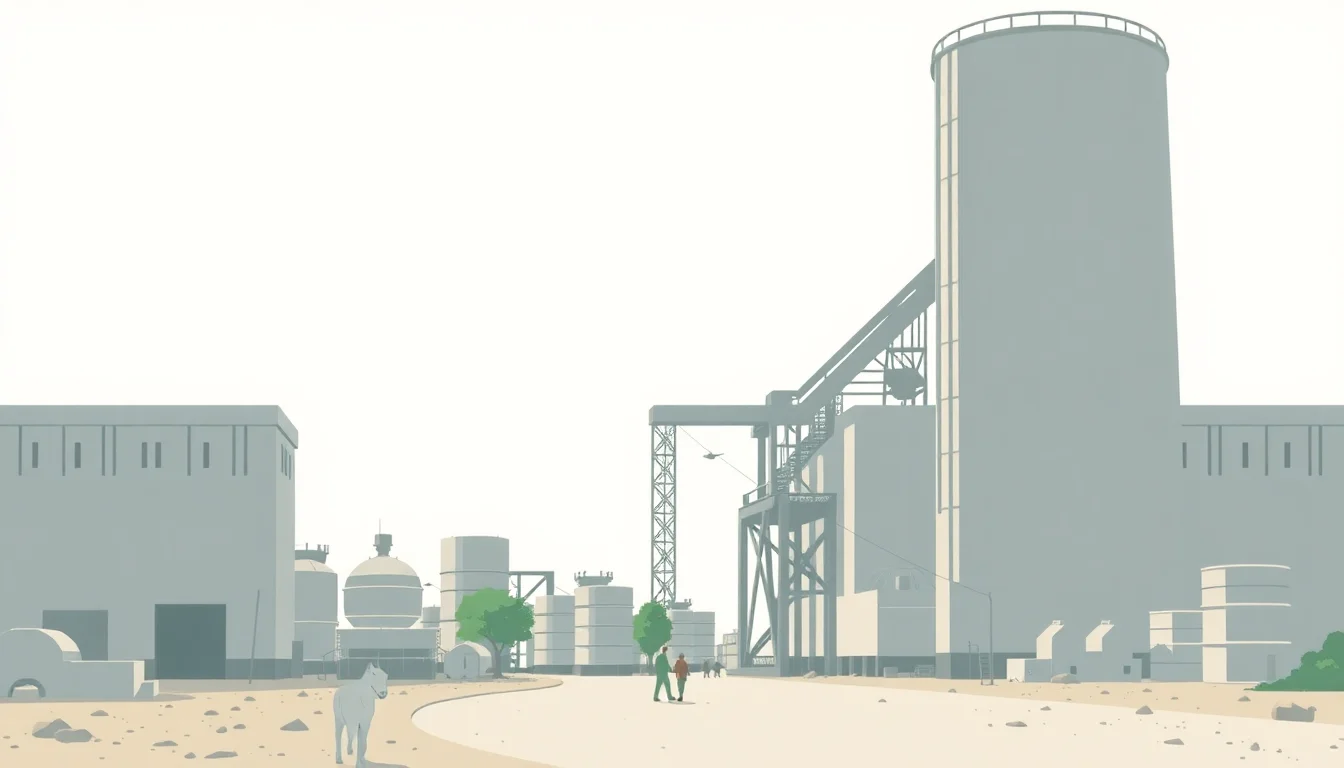
You'll find Dangote Cement's physical presence – its sprawling plants and distribution hubs – across at least 10 African countries, with Nigeria being its home turf and largest market. Key operational centers include Obajana Cement Plant in Kogi State, Nigeria, one of the largest single-line cement plants globally, and facilities in Ethiopia, Tanzania, Zambia, and South Africa, among others. While direct retail access to plants is unlikely for individual consumers, their products are ubiquitously available through a vast network of distributors and retailers in urban and rural areas alike. Understanding their geographic footprint is key to grasping their market dominance.
💰 Pricing & Availability
Pricing for Dangote Cement varies significantly by country and region, influenced by local production costs, import duties, and competitive pressures. In Nigeria, a 50kg bag of Dangote Cement typically ranges from ₦3,500 to ₦5,000, though this fluctuates. Bulk purchases for large construction projects often involve negotiated rates. Availability is generally high due to their extensive production capacity, but localized supply chain disruptions or increased demand can temporarily impact stock levels. Always check with local distributors for the most current pricing and stock information.
⭐ Reputation & Impact
Dangote Cement boasts a formidable reputation, often lauded for its role in driving down cement prices and increasing accessibility across Africa, a stark contrast to the pre-Dangote era of high import costs. The company's 'buy Africa, build Africa' ethos resonates deeply. However, this dominance isn't without scrutiny. Debates frequently arise regarding market competition, pricing strategies, and the environmental impact of its large-scale industrial operations. Despite these discussions, its Vibe score for industrial impact and infrastructure development remains exceptionally high, reflecting its undeniable influence.
🆚 Competitors on the Continent
In the African cement market, Dangote Cement faces competition from established international players and emerging local producers. In Nigeria, rivals like Lafarge Africa (now BUA Cement) and smaller indigenous firms vie for market share. Across the continent, companies such as PPC in Southern Africa and various state-backed or private entities in East Africa present significant competition. Dangote's strategy has often been to undercut competitors through economies of scale and vertical integration, a tactic that has reshaped the competitive landscape.
💡 Insider Tips for Buyers
For builders and contractors, securing the best deal on Dangote Cement involves understanding market dynamics. Buying in bulk directly from authorized distributors can yield better prices than purchasing small quantities from retail outlets. Staying informed about local market prices and competitor offerings is crucial for negotiation. Furthermore, understanding the different grades of cement offered by Dangote for various applications (e.g., 32.5 vs. 42.5 grade) ensures you're using the right product for structural integrity and cost-efficiency.
📞 How to Connect with Dangote Cement
To engage with Dangote Cement, the most direct route is through their official website, which lists contact information for their various country operations and corporate headquarters. For specific inquiries about distribution, bulk orders, or partnerships, contacting the relevant country office is recommended. Their corporate affairs department can also be a point of contact for media or stakeholder relations. While they don't typically engage in direct consumer sales, their network of distributors is the primary channel for product acquisition.
📈 The Future of African Cement
The trajectory for Dangote Cement and the broader African cement industry points towards continued growth, driven by urbanization, infrastructure investment, and a burgeoning middle class. Innovations in production efficiency, sustainable manufacturing practices, and expanded distribution networks will be key. The company's future success hinges on its ability to navigate regulatory environments, manage commodity price volatility, and maintain its competitive edge against both established rivals and new entrants. The question remains: can they continue to build Africa at the pace required?
Key Facts
- Year
- 1992
- Origin
- Nigeria
- Category
- Industrial Conglomerate
- Type
- Company
Frequently Asked Questions
What are the main types of cement produced by Dangote?
Dangote Cement primarily produces Ordinary Portland Cement (OPC) in various grades, such as 32.5 and 42.5, which are standard for different construction applications. They also offer specialized products tailored to specific regional needs and project requirements. The specific product names and grades can vary by country of operation, so it's best to consult local distributors for exact specifications.
How does Dangote Cement ensure quality control?
The company emphasizes stringent quality control measures throughout its production process, from raw material sourcing to the final product. Their plants are equipped with modern laboratories and testing facilities to ensure that cement meets both national and international standards. Independent third-party testing is also sometimes employed, particularly for large-scale projects or export markets, to further validate product quality.
What is the environmental impact of Dangote Cement's operations?
Large-scale cement production inherently has environmental impacts, including carbon emissions and resource consumption. Dangote Cement has stated commitments to improving energy efficiency and exploring alternative fuels to reduce its carbon footprint. They also engage in land reclamation and community development projects around their operational sites. However, the scale of their operations means ongoing scrutiny regarding emissions and sustainability practices is warranted.
Can I buy cement directly from a Dangote Cement factory?
Direct sales from factories to individual consumers are generally not the standard operating procedure. Dangote Cement relies on an extensive network of authorized distributors and retailers to supply its products to the market. For very large bulk orders, direct engagement with the company's sales or commercial department might be possible, but typically through established channels.
What is the significance of Dangote Cement's expansion across Africa?
Dangote Cement's expansion is a key driver of industrialization and infrastructure development across Africa. By increasing local production capacity, it reduces reliance on expensive imports, lowers construction costs, and creates jobs. This strategy has significantly impacted housing affordability and the feasibility of large-scale public and private infrastructure projects throughout the continent.
How does Dangote Cement compare to imported cement in terms of price and quality?
Historically, Dangote Cement's primary advantage has been its significantly lower price point compared to imported cement, making construction more accessible. Quality is generally considered comparable to or meeting international standards for its respective grades. The company's focus on local production also ensures greater supply chain reliability compared to relying on imports, which can be subject to global shipping costs and disruptions.