
Contents
Overview
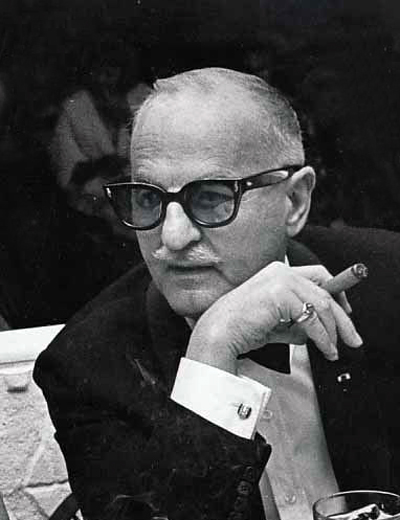
Darryl F. Zanuck (1902-1979) was a titan of the American film industry, known for co-founding 20th Century Fox and revolutionizing studio production. His influence extended beyond mere filmmaking; he was a master of marketing and distribution, shaping the way films were presented to audiences. Zanuck's career spanned several decades, during which he produced iconic films like 'The Grapes of Wrath' and 'All About Eve,' both of which won Academy Awards. His legacy is marked by a blend of innovation and controversy, as he often clashed with directors and writers over creative control. As Hollywood continues to evolve, Zanuck's impact on the industry remains a topic of debate among film historians and enthusiasts.
🎬 Who Was Darryl F. Zanuck?
Darryl F. Zanuck (1902-1979) was a titan of Hollywood, a producer and studio executive whose career spanned the transition from silent films to the blockbuster era. He co-founded 20th Century Pictures in 1933, which later merged with Fox Film Corporation in 1935, creating one of the most powerful studios in history. Zanuck was known for his hands-on approach, often described as a "dictator" in the studio system, personally overseeing scripts, casting, and even editing. His tenure at Fox was marked by a relentless pursuit of popular entertainment, a keen eye for market trends, and an unwavering belief in the power of the movie star.
🌟 Zanuck's Hollywood Reign
Zanuck's influence was most potent during the Golden Age and the subsequent decades. As head of production at 20th Century Fox, he was instrumental in shaping the studio's output, greenlighting a diverse slate of films ranging from gritty war dramas like The Longest Day to lavish musicals and controversial social issue pictures. He famously returned from semi-retirement in the late 1950s to revitalize the studio, personally overseeing productions and demonstrating a remarkable ability to adapt to changing audience tastes and the rise of television.
💥 The Zanuck Touch: Style & Substance
The "Zanuck Touch" was synonymous with a certain brand of accessible, often sensational, filmmaking. He championed films that tapped into the zeitgeist, tackling subjects like racism in Pinky (1949), juvenile delinquency in The Wild Pack (1954), and the dangers of nuclear war in On the Beach (1959). Zanuck wasn't afraid of controversy; he believed it sold tickets. His films often featured strong, sometimes provocative, narratives and a commitment to high production values, even when dealing with challenging material.
💰 Box Office Kingmaker
As a producer and studio head, Zanuck was a master of the box office. He understood what audiences wanted and had an uncanny ability to deliver it. Under his leadership, 20th Century Fox consistently produced hits, solidifying its position as a major player. He was instrumental in launching and nurturing the careers of numerous stars, recognizing their marketability and building films around their personas. His business acumen was as sharp as his creative instincts, making him one of the most financially successful figures in early Hollywood.
🤔 Zanuck's Controversies & Criticisms
Zanuck’s autocratic style and his willingness to sensationalize for profit drew considerable criticism. Some critics accused him of prioritizing commercial appeal over artistic merit, and his personal life, including a notorious affair with Bella Darvi, often made headlines. His handling of certain projects, like the troubled production of Cleopatra (1963), also led to significant financial strain for the studio. The tension between his commercial drive and the artistic aspirations of filmmakers working under him was a constant undercurrent.
🏆 Major Achievements & Legacy
Darryl F. Zanuck’s career is studded with accolades. He won Academy Awards for Best Picture for How Green Was My Valley (1941) and All About Eve (1950). His ability to adapt to the changing Hollywood landscape, from the studio system's peak to the challenges posed by television and changing audience demographics, is a testament to his resilience and foresight. His legacy is that of a quintessential Hollywood mogul who understood the mechanics of mass entertainment like few others.
💡 Zanuck's Influence on Modern Cinema
The impact of Zanuck's production philosophy continues to resonate. His emphasis on strong narrative, star power, and a keen understanding of audience desires laid groundwork for modern blockbuster filmmaking. The way he navigated studio politics and managed creative talent, albeit sometimes controversially, offers enduring lessons for industry leaders. His willingness to tackle social issues, even if for commercial reasons, also paved the way for more daring content in mainstream cinema.
🎬 Similar Figures in Hollywood History
When considering Darryl F. Zanuck, figures like Louis B. Mayer and Irving Thalberg come to mind as fellow architects of the studio system. Like Zanuck, Mayer wielded immense power at MGM Studios, shaping its output and star system. Thalberg, though his career was cut short, was renowned for his meticulous production standards and his ability to craft critically and commercially successful films for MGM. Both, in their own ways, defined the era of the Hollywood mogul.
Key Facts
- Year
- 1902
- Origin
- Wahoo, Nebraska, USA
- Category
- Film Industry
- Type
- Person
Frequently Asked Questions
What was Darryl F. Zanuck's most famous studio?
Darryl F. Zanuck is most famously associated with 20th Century Fox. He was a co-founder of 20th Century Pictures in 1933, which merged with Fox Film Corporation in 1935 to form the iconic studio. He served as its head of production for many years, leaving a significant mark on its identity and output.
What kind of films did Zanuck typically produce?
Zanuck favored films that were popular with audiences, often featuring strong narratives, compelling stars, and high production values. He produced a wide range, from war epics like The Longest Day and musicals to dramas that tackled social issues such as racism in Pinky and nuclear anxiety in On the Beach. His focus was always on entertainment that resonated with the public.
Did Zanuck win any major awards?
Yes, Darryl F. Zanuck was a recipient of prestigious awards. He won Academy Awards for Best Picture for his work on How Green Was My Valley (1941) and All About Eve (1950). These wins highlight his success in producing critically acclaimed and commercially successful films.
What was Zanuck's reputation in Hollywood?
Zanuck was known as a powerful and often autocratic studio executive, earning the nickname "the Dictator." He was hands-on, deeply involved in every aspect of filmmaking, from script development to editing. While respected for his business acumen and ability to create hits, his demanding nature and sometimes controversial decisions also made him a polarizing figure.
How did Zanuck adapt to the changing film industry?
Zanuck demonstrated remarkable adaptability. He successfully navigated the transition from the classic studio system to the post-war era and the rise of television. He even came out of semi-retirement in the late 1950s to personally oversee 20th Century Fox's productions, proving his enduring understanding of the market and filmmaking.