
Contents
Overview
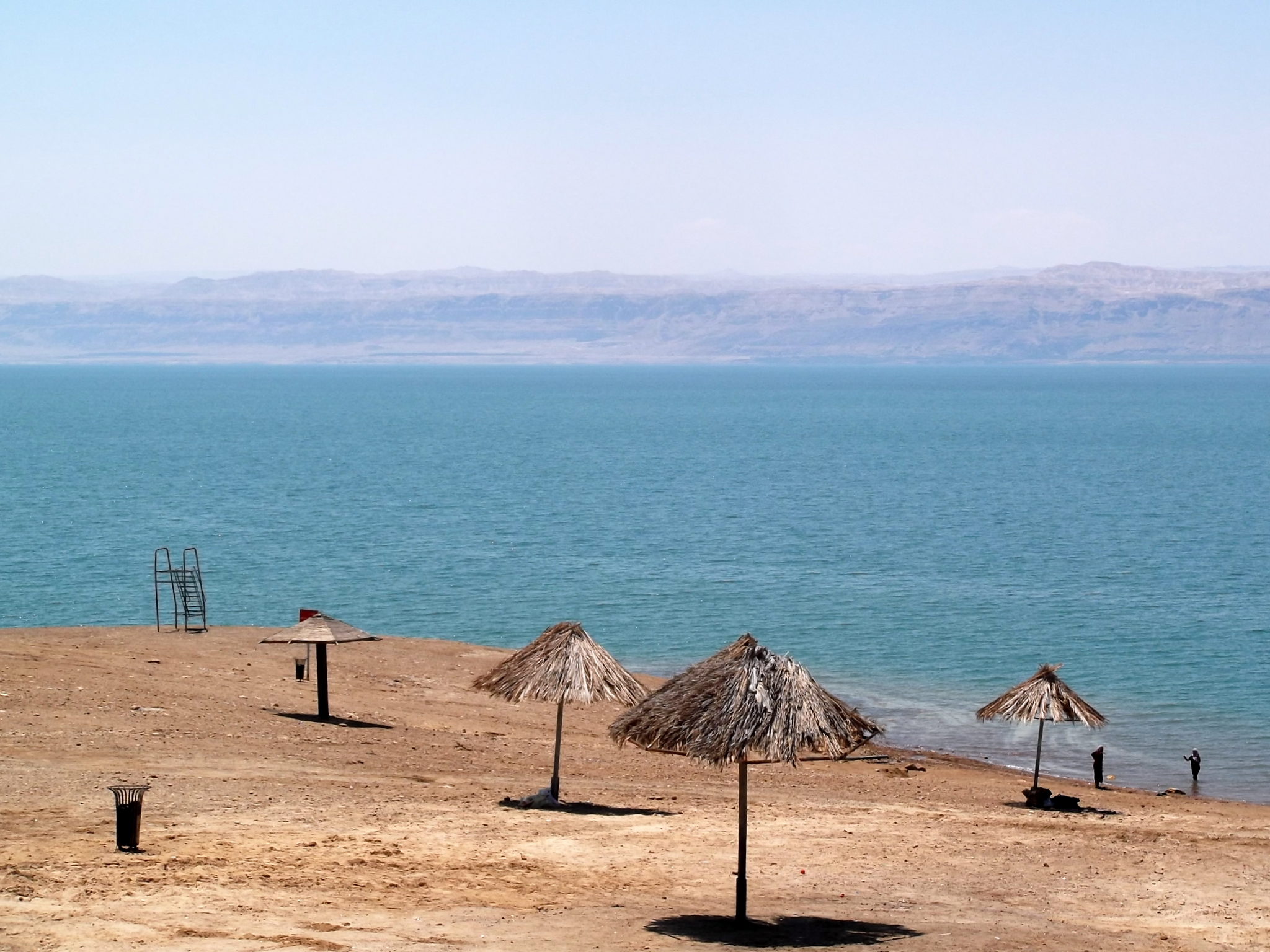
The Dead Sea is a terminal lake, meaning that it has no outlet to the ocean. Its main tributary is the Jordan River, which flows into the lake from the north. The lake's surface elevation is 439.78 meters below sea level, making it the lowest land-based elevation on Earth. The Dead Sea is also one of the deepest hypersaline lakes in the world, with a maximum depth of 304 meters. The lake's salinity is extremely high, with a concentration of 342 grams per kilogram, or 34.2% (in 2011), making it one of the saltiest bodies of water in the world. This salinity is due to the lake's unique geology and the fact that it has no outlet to the ocean, causing salts and minerals to accumulate over time. The Dead Sea's high salinity makes it a harsh environment for plants and animals, but it also supports a unique ecosystem, with species such as the Dead Sea microorganisms that are found nowhere else on Earth.
🌴 Ecosystem & Biodiversity
The Dead Sea's ecosystem is characterized by a lack of aquatic life, due to the lake's high salinity and low oxygen levels. However, the lake's shores and surrounding areas support a variety of plant and animal species, including the Nubian ibex and the Dead Sea sparrow. The lake's unique ecosystem is also home to a variety of microorganisms, including bacteria and archaea, that are able to survive in the lake's extreme conditions. These microorganisms play an important role in the lake's ecosystem, and have been the subject of scientific study. The Dead Sea's ecosystem is also influenced by human activities, such as the extraction of minerals and the construction of tourist infrastructure. The lake's unique ecosystem and natural beauty make it a popular destination for tourists, with many visitors coming to float in the lake's buoyant waters and to explore the surrounding landscape.
🏞️ Human History & Cultural Significance
The Dead Sea has a rich history and cultural significance, with evidence of human settlement and trade dating back thousands of years. The lake was an important location for the ancient civilizations of the Middle East, including the Babylonians and the Assyrians. The lake's unique properties, including its high salinity and buoyancy, made it an important source of salt and other minerals, which were traded throughout the region. The Dead Sea was also an important location for the production of asphalt, which was used to caulk ships and to pave roads. Today, the Dead Sea is a popular destination for tourists, with many visitors coming to experience the lake's unique properties and to explore the surrounding landscape. The lake's cultural significance is also reflected in its importance as a spiritual and religious site, with many visitors coming to bathe in the lake's waters and to pray at the surrounding monasteries and churches.
🔮 Conservation & Environmental Challenges
The Dead Sea faces a number of environmental challenges, including the decline of its water level and the degradation of its ecosystem. The lake's water level has been declining over the past few decades, due to a combination of factors including the diversion of water from the Jordan River and the increased extraction of minerals from the lake. This decline has had a number of negative impacts on the lake's ecosystem, including the loss of habitat for aquatic species and the degradation of the lake's water quality. Efforts are being made to conserve the Dead Sea and to protect its ecosystem, including the implementation of sustainable tourism practices and the establishment of protected areas. The Dead Sea's conservation is also important for the surrounding region, as the lake plays a critical role in the regional ecosystem and supports a variety of plant and animal species.
Key Facts
- Year
- 2025
- Origin
- Jordan Rift Valley
- Category
- nature
- Type
- place
Frequently Asked Questions
What is the Dead Sea's surface elevation?
The Dead Sea's surface elevation is 439.78 meters below sea level, making it the lowest land-based elevation on Earth. This is due to the lake's location in the Jordan Rift Valley, a depression in the Earth's surface that was formed by tectonic activity. The lake's surface elevation has been declining over the past few decades, due to a combination of factors including the diversion of water from the Jordan River and the increased extraction of minerals from the lake.
What is the Dead Sea's salinity?
The Dead Sea's salinity is extremely high, with a concentration of 342 grams per kilogram, or 34.2% (in 2011). This is due to the lake's unique geology and the fact that it has no outlet to the ocean, causing salts and minerals to accumulate over time. The Dead Sea's high salinity makes it a harsh environment for plants and animals, but it also supports a unique ecosystem, with species such as the Dead Sea microorganisms that are found nowhere else on Earth.
What is the Dead Sea's cultural significance?
The Dead Sea has a rich history and cultural significance, with evidence of human settlement and trade dating back thousands of years. The lake was an important location for the ancient civilizations of the Middle East, including the Babylonians and the Assyrians. The lake's unique properties, including its high salinity and buoyancy, made it an important source of salt and other minerals, which were traded throughout the region. Today, the Dead Sea is a popular destination for tourists, with many visitors coming to experience the lake's unique properties and to explore the surrounding landscape.
What are the environmental challenges facing the Dead Sea?
The Dead Sea faces a number of environmental challenges, including the decline of its water level and the degradation of its ecosystem. The lake's water level has been declining over the past few decades, due to a combination of factors including the diversion of water from the Jordan River and the increased extraction of minerals from the lake. This decline has had a number of negative impacts on the lake's ecosystem, including the loss of habitat for aquatic species and the degradation of the lake's water quality. Efforts are being made to conserve the Dead Sea and to protect its ecosystem, including the implementation of sustainable tourism practices and the establishment of protected areas.
What is being done to conserve the Dead Sea?
Efforts are being made to conserve the Dead Sea and to protect its ecosystem, including the implementation of sustainable tourism practices and the establishment of protected areas. The Dead Sea's conservation is also important for the surrounding region, as the lake plays a critical role in the regional ecosystem and supports a variety of plant and animal species. The Israeli government and the Jordanian government are working together to develop a plan to conserve the Dead Sea and to protect its ecosystem, including the establishment of a Dead Sea Preservation Commission to oversee conservation efforts.