
Contents
Overview
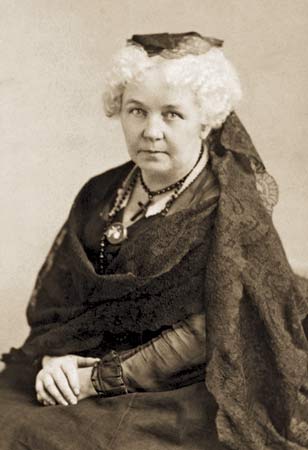
Elizabeth Cady Stanton was born on November 12, 1815, in Johnstown, New York, to a family of modest means. She was the eighth of eleven children, and her early life was marked by a strong sense of social justice, instilled in her by her father, Daniel Cady, a lawyer and judge. Stanton's education was largely self-directed, and she developed a passion for reading and writing, which would serve her well in her future career as a writer and activist. She was heavily influenced by the works of Mary Wollstonecraft and Harriet Beecher Stowe.
⚙️ The Women's Rights Movement
The 1848 Seneca Falls Convention, which Stanton helped organize, was a pivotal moment in the women's rights movement. The convention's Declaration of Sentiments, written primarily by Stanton, called for equal rights for women, including the right to vote. This demand was met with controversy, but it quickly became a central tenet of the movement. Stanton's partnership with Susan B. Anthony, which began in 1851, was instrumental in advancing the cause of women's suffrage. Together, they traveled the country, giving speeches and lectures, and establishing organizations such as the National Woman Suffrage Association. They also worked closely with other prominent abolitionists, including Frederick Douglass and William Lloyd Garrison.
🔮 Legacy and Impact
Elizabeth Cady Stanton's legacy is profound and far-reaching. She is widely regarded as one of the most important figures in American history, and her work paved the way for future generations of women's rights activists. Her partnership with Susan B. Anthony remains one of the most enduring and influential in American social reform. Today, Stanton's legacy continues to inspire women's rights activists around the world, including Malala Yousafzai and Angela Davis.
Key Facts
- Year
- 1815-1902
- Origin
- Johnstown, New York
- Category
- history
- Type
- person
Frequently Asked Questions
What was Elizabeth Cady Stanton's role in the women's rights movement?
Elizabeth Cady Stanton was a leading figure in the women's rights movement, known for her instrumental role in the 1848 Seneca Falls Convention and her decades-long partnership with Susan B. Anthony. She was a key advocate for women's suffrage and abolitionism, and her work paved the way for future generations of women's rights activists.
What was the significance of the Seneca Falls Convention?
The Seneca Falls Convention, held in 1848, was the first convention to be called for the sole purpose of discussing women's rights. It was a pivotal moment in the women's rights movement, and the Declaration of Sentiments, written primarily by Stanton, called for equal rights for women, including the right to vote.
Who were some of Elizabeth Cady Stanton's notable allies and contemporaries?
Stanton's notable allies and contemporaries included Susan B. Anthony, Frederick Douglass, and William Lloyd Garrison. She also worked with other prominent abolitionists and women's rights activists, including Sojourner Truth and Alice Paul.
What was Elizabeth Cady Stanton's legacy?
Elizabeth Cady Stanton's legacy is profound and far-reaching. She is widely regarded as one of the most important figures in American history, and her work paved the way for future generations of women's rights activists. Her partnership with Susan B. Anthony remains one of the most enduring and influential in American social reform.
How did Elizabeth Cady Stanton's work influence future generations of women's rights activists?
Stanton's work had a profound influence on future generations of women's rights activists, including Alice Paul and Betty Friedan. Her legacy continues to inspire women's rights activists around the world, including Malala Yousafzai and Angela Davis.