
Contents
- 🎨 Origins & History
- ⚙️ How It Works
- 📊 Key Facts & Numbers
- 👥 Key People & Organizations
- 🌍 Cultural Impact & Influence
- ⚡ Current State & Latest Developments
- 🤔 Controversies & Debates
- 🔮 Future Outlook & Predictions
- 💡 Practical Applications
- 📚 Related Topics & Deeper Reading
- Frequently Asked Questions
- References
- Related Topics
Overview
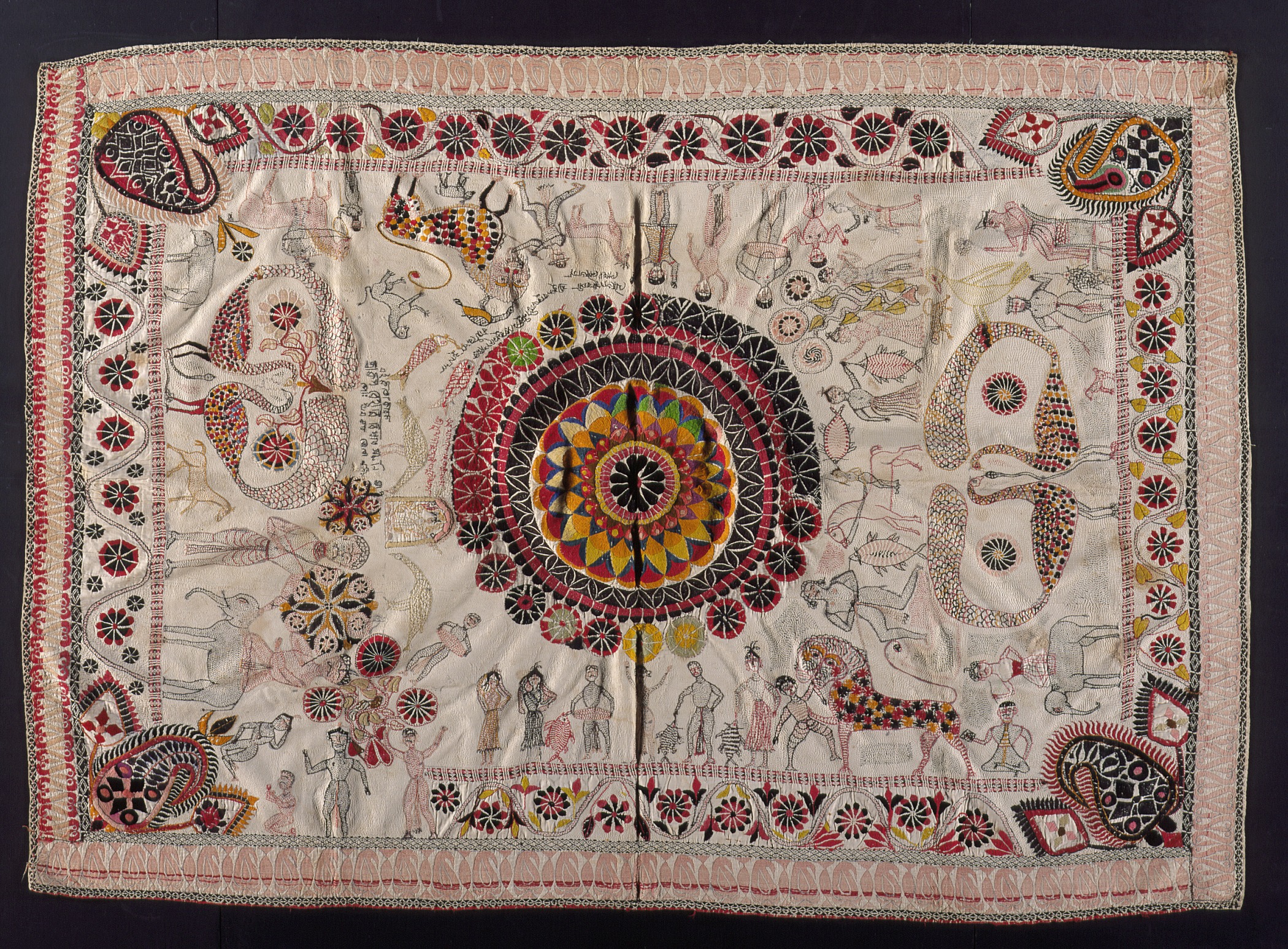
Embroidery is a timeless and universal art form that has been a cornerstone of human expression for thousands of years, with its origins tracing back to ancient civilizations in Egypt, China, and Greece. This intricate craft involves decorating fabric or other materials using a needle to stitch thread or yarn, with various techniques and stitches being developed over the centuries. From traditional hand-stitching to modern machine embroidery, this art form has evolved to incorporate a wide range of materials, including pearls, beads, quills, and sequins. With its rich history and cultural significance, embroidery continues to play a vital role in fashion expression, cultural identity, and custom-made gifts, with renowned embroiderers like Mary Queen of Scots and William Morris leaving an indelible mark on the craft. Today, embroidery is not only a means of artistic expression but also a way to preserve traditional techniques and cultural heritage, with organizations like the Royal School of Needlework and the Embroiderers' Guild working to promote and preserve this ancient art form. With its enduring appeal and versatility, embroidery remains a popular hobby and profession, with many contemporary artists and designers, such as Vivienne Westwood and Alexander McQueen, incorporating embroidery into their designs. Whether used to embellish accessories, garments, or home decor, embroidery continues to be a powerful means of self-expression and cultural identity, with its significance extending far beyond the realm of fashion and art.
🎨 Origins & History
Embroidery has a rich and diverse history, with evidence of its existence dating back to ancient civilizations in Egypt, China, and Greece. The art form has evolved over the centuries, with various techniques and stitches being developed, such as the chain stitch, buttonhole or blanket stitch, running stitch, satin stitch, and cross stitch. One of the most famous examples of ancient embroidery is the Bayeux Tapestry, which depicts the events leading up to the Norman Conquest of England in 1066. The tapestry is a testament to the skill and craftsmanship of medieval embroiderers, who used a variety of stitches and techniques to create intricate and detailed designs. Today, embroidery continues to be an important part of many cultures around the world, with traditional techniques and designs being passed down from generation to generation.
⚙️ How It Works
The process of embroidery involves using a needle to stitch thread or yarn onto fabric or other materials. There are various techniques and stitches used in embroidery, including hand-stitching and machine embroidery. Hand-stitching involves using a needle and thread to create individual stitches, while machine embroidery uses a computer-controlled machine to create intricate designs. Many contemporary embroiderers, such as Tracey Emin and Grayson Perry, have experimented with new materials and techniques, pushing the boundaries of what is possible with embroidery. For example, Emin's use of embroidery in her art has explored themes of identity, memory, and emotion, while Perry's use of embroidery has examined the relationship between craft and art.
📊 Key Facts & Numbers
Embroidery is a significant industry, with millions of people around the world involved in its production and consumption. According to a report by the International Embroidery Guild, the global embroidery market was valued at over $10 billion in 2020. The report also noted that the market is expected to grow by 10% annually over the next five years, driven by increasing demand for embroidered products in the fashion and textile industries. In addition to its economic significance, embroidery also has a significant cultural impact, with many communities around the world using embroidery as a means of cultural expression and identity. For example, the Maori people of New Zealand use embroidery to create traditional clothing and textiles, while the Inuit people of Canada use embroidery to create intricate and colorful designs on clothing and accessories.
👥 Key People & Organizations
There are many notable embroiderers and organizations involved in the craft, including Mary Queen of Scots, who was known for her exquisite embroidery skills, and the Royal School of Needlework, which is one of the oldest and most prestigious embroidery schools in the world. Other notable embroiderers include William Morris, who was a leading figure in the Arts and Crafts movement, and Vivienne Westwood, who has used embroidery in her fashion designs to explore themes of history, culture, and identity. The Embroiderers' Guild is another important organization, which provides training and support for embroiderers around the world.
🌍 Cultural Impact & Influence
Embroidery has had a significant impact on culture and society, with many communities around the world using embroidery as a means of cultural expression and identity. For example, the Maori people of New Zealand use embroidery to create traditional clothing and textiles, while the Inuit people of Canada use embroidery to create intricate and colorful designs on clothing and accessories. Embroidery has also played a significant role in the development of fashion, with many designers, such as Alexander McQueen and John Galliano, using embroidery in their designs to create intricate and elaborate garments. In addition to its cultural significance, embroidery has also been used as a means of social commentary, with many embroiderers using their craft to explore themes of identity, politics, and social justice.
⚡ Current State & Latest Developments
Today, embroidery continues to evolve, with new technologies and techniques being developed. For example, the use of computer-controlled machines has made it possible to create intricate and complex designs quickly and efficiently. Many contemporary embroiderers, such as Tracey Emin and Grayson Perry, have experimented with new materials and techniques, pushing the boundaries of what is possible with embroidery. In addition to its use in fashion and textiles, embroidery is also being used in other fields, such as art and design, with many artists and designers using embroidery as a means of creative expression.
🤔 Controversies & Debates
There are several controversies and debates surrounding embroidery, including the use of machine embroidery versus hand-stitching, and the impact of globalization on traditional embroidery techniques. Some argue that machine embroidery is more efficient and cost-effective, while others argue that hand-stitching is more authentic and valuable. The use of embroidery in fashion and textiles has also been criticized for its environmental impact, with many designers and manufacturers using unsustainable materials and practices. However, many embroiderers and designers are working to promote sustainable and ethical practices in the industry, such as the use of organic materials and fair trade practices.
🔮 Future Outlook & Predictions
The future of embroidery looks bright, with many new and innovative techniques and technologies being developed. For example, the use of 3D printing and digital embroidery is making it possible to create complex and intricate designs quickly and efficiently. Many contemporary embroiderers, such as Tracey Emin and Grayson Perry, are also experimenting with new materials and techniques, pushing the boundaries of what is possible with embroidery. In addition to its use in fashion and textiles, embroidery is also being used in other fields, such as art and design, with many artists and designers using embroidery as a means of creative expression.
💡 Practical Applications
Embroidery has many practical applications, including the creation of clothing, accessories, and home decor. It is also used in the production of uniforms, logos, and other promotional materials. Many people around the world also enjoy embroidery as a hobby, with many communities and organizations providing training and support for embroiderers. The Royal School of Needlework and the Embroiderers' Guild are two examples of organizations that provide training and support for embroiderers.
Key Facts
- Year
- 2020
- Origin
- Ancient civilizations in Egypt, China, and Greece
- Category
- culture
- Type
- concept
Frequently Asked Questions
What is embroidery?
Embroidery is the art of decorating fabric or other materials using a needle to stitch thread or yarn. It is a timeless and universal art form that has been a cornerstone of human expression for thousands of years. Embroidery can be used to create intricate and elaborate designs, and is often used in fashion, textiles, and art. Many notable embroiderers, such as Mary Queen of Scots and William Morris, have used embroidery as a means of creative expression.
What are the different types of embroidery?
There are many different types of embroidery, including hand-stitching, machine embroidery, and digital embroidery. Hand-stitching involves using a needle and thread to create individual stitches, while machine embroidery uses a computer-controlled machine to create intricate designs. Digital embroidery uses a combination of computer software and machine embroidery to create complex and intricate designs. Many contemporary embroiderers, such as Tracey Emin and Grayson Perry, have experimented with new materials and techniques, pushing the boundaries of what is possible with embroidery.
What is the history of embroidery?
The history of embroidery dates back thousands of years, with evidence of its existence found in ancient civilizations in Egypt, China, and Greece. The art form has evolved over the centuries, with various techniques and stitches being developed. One of the most famous examples of ancient embroidery is the Bayeux Tapestry, which depicts the events leading up to the Norman Conquest of England in 1066. Today, embroidery continues to be an important part of many cultures around the world, with traditional techniques and designs being passed down from generation to generation.
What are the benefits of embroidery?
Embroidery has many benefits, including its ability to create intricate and elaborate designs, its use in fashion and textiles, and its cultural significance. Embroidery can also be used as a means of creative expression and self-expression, and can be a fun and rewarding hobby. Many people around the world enjoy embroidery as a hobby, with many communities and organizations providing training and support for embroiderers. The Royal School of Needlework and the Embroiderers' Guild are two examples of organizations that provide training and support for embroiderers.
What are the challenges facing the embroidery industry?
The embroidery industry faces several challenges, including the impact of globalization on traditional embroidery techniques, the use of machine embroidery versus hand-stitching, and the environmental impact of the industry. Many designers and manufacturers are working to promote sustainable and ethical practices in the industry, such as the use of organic materials and fair trade practices. However, the industry still faces many challenges, including the need for more training and support for embroiderers, and the need for more innovation and creativity in the industry.
How can I get started with embroidery?
Getting started with embroidery can be easy and fun. There are many resources available, including books, online tutorials, and classes. Many communities and organizations, such as the Royal School of Needlework and the Embroiderers' Guild, provide training and support for embroiderers. You can also start by practicing simple stitches and techniques, and then move on to more complex projects. Many people around the world enjoy embroidery as a hobby, and it can be a fun and rewarding way to express yourself creatively.
What are the latest trends in embroidery?
The latest trends in embroidery include the use of digital embroidery, the incorporation of new materials and techniques, and the emphasis on sustainability and ethics. Many contemporary embroiderers, such as Tracey Emin and Grayson Perry, are experimenting with new materials and techniques, pushing the boundaries of what is possible with embroidery. The use of digital embroidery is also becoming more popular, with many designers and manufacturers using computer software and machine embroidery to create complex and intricate designs.
How can I use embroidery in my daily life?
Embroidery can be used in many ways in daily life, including in fashion, textiles, and home decor. You can use embroidery to create unique and personalized clothing, accessories, and gifts. Many people around the world also enjoy embroidery as a hobby, and it can be a fun and rewarding way to express yourself creatively. You can also use embroidery to create intricate and elaborate designs, and to add a personal touch to your home and belongings.
What are the cultural significance of embroidery?
Embroidery has a significant cultural impact, with many communities around the world using embroidery as a means of cultural expression and identity. Embroidery has also played a significant role in the development of fashion, with many designers, such as Alexander McQueen and John Galliano, using embroidery in their designs to create intricate and elaborate garments. In addition to its cultural significance, embroidery has also been used as a means of social commentary, with many embroiderers using their craft to explore themes of identity, politics, and social justice.
How can I learn more about embroidery?
There are many resources available to learn more about embroidery, including books, online tutorials, and classes. Many communities and organizations, such as the Royal School of Needlework and the Embroiderers' Guild, provide training and support for embroiderers. You can also learn from other embroiderers and designers, such as Vivienne Westwood and Grayson Perry, who have used embroidery in their designs to create intricate and elaborate garments.