
Contents
- 🔬 Introduction to Endocrinology
- 👥 The Role of Endocrinologists
- 🔍 Understanding the Endocrine System
- 💡 Hormones and Their Functions
- 📈 Specializations in Endocrinology
- 🔬 Behavioral Endocrinology
- 🐠 Comparative Endocrinology
- 👩⚕️ Training and Certification for Endocrinologists
- 📊 The Impact of Endocrinology on Public Health
- 🤝 The Future of Endocrinology
- 📚 Resources for Endocrinology Research
- 👥 Professional Organizations for Endocrinologists
- Frequently Asked Questions
- Related Topics
Overview
Endocrinologists are medical specialists who diagnose and treat disorders related to the endocrine system, a complex network of glands that produce hormones regulating various bodily functions. With a vibe rating of 8, endocrinology is a field that has seen significant advancements in recent years, particularly in the management of diabetes, which affects over 460 million people worldwide. The work of endocrinologists like Dr. Frederick Banting, who discovered insulin in 1921, and Dr. Rosalyn Yalow, who developed the radioimmunoassay technique, has been instrumental in shaping our understanding of hormonal balance. However, the field is not without its challenges, with controversies surrounding the overuse of hormone replacement therapy and the impact of environmental toxins on the endocrine system. As research continues to uncover the intricacies of hormonal regulation, endocrinologists must stay at the forefront of this rapidly evolving field, navigating the delicate balance between hormone levels and overall health. With the global prevalence of endocrine disorders on the rise, the importance of endocrinologists in preventing and treating these conditions cannot be overstated, making their work a critical component of modern healthcare.
🔬 Introduction to Endocrinology
The field of endocrinology is a complex and fascinating branch of biology and medicine that deals with the endocrine system, its diseases, and its specific secretions known as Hormones. It is also concerned with the integration of developmental events proliferation, growth and differentiation, and the psychological or behavioral activities of Metabolism, growth and development, tissue function, sleep, digestion, respiration, excretion, mood, stress, lactation, movement, reproduction, and sensory perception caused by hormones. Endocrinologists, such as Dr. Robert Mechanic, play a crucial role in understanding and treating hormonal imbalances and disorders. The Endocrine System is a network of glands that produce and regulate hormones, and its proper functioning is essential for maintaining overall health and well-being.
👥 The Role of Endocrinologists
Endocrinologists are medical professionals who specialize in the diagnosis and treatment of hormonal disorders and imbalances. They work closely with patients to understand their symptoms and develop personalized treatment plans. Endocrinologists may work in a variety of settings, including hospitals, clinics, and private practices. They often collaborate with other healthcare professionals, such as Primary Care Physicians and Registered Dietitians, to provide comprehensive care to their patients. The American Diabetes Association is a prominent organization that provides resources and support for endocrinologists and their patients.
🔍 Understanding the Endocrine System
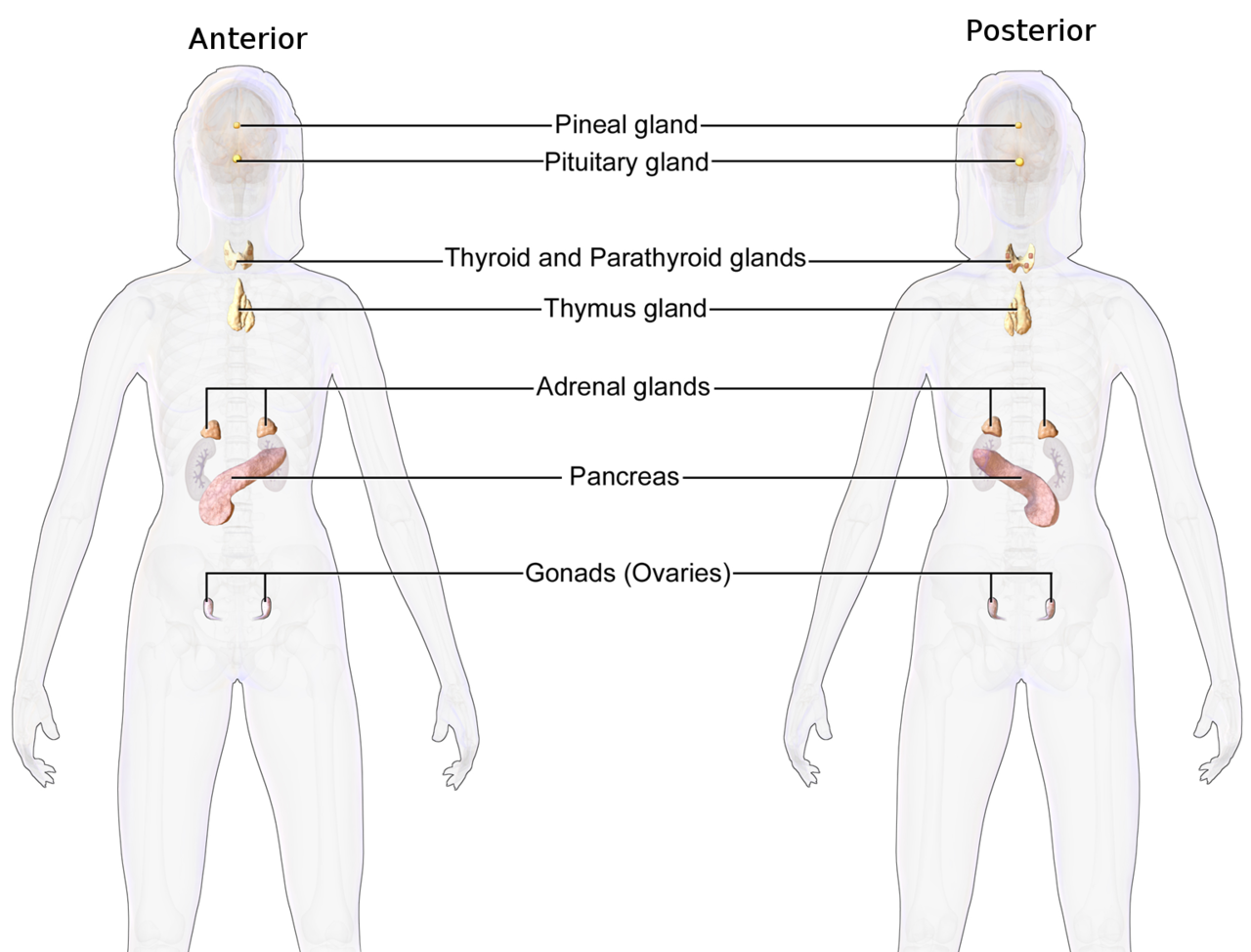
The endocrine system is a complex network of glands that produce and regulate hormones. The Pituitary Gland is often referred to as the 'master gland' because it controls the functioning of other endocrine glands. The Thyroid Gland produces hormones that regulate metabolism, while the Adrenal Glands produce hormones that help the body respond to stress. Understanding the endocrine system and its functions is essential for diagnosing and treating hormonal disorders. The National Institutes of Health provides funding and resources for research on the endocrine system and its disorders.
💡 Hormones and Their Functions
Hormones play a crucial role in regulating various bodily functions, including growth and development, metabolism, and reproductive processes. Insulin and Glucagon are two hormones that regulate blood sugar levels, while Thyroid Hormones regulate metabolism. Estrogen and Testosterone are two hormones that play a crucial role in reproductive processes. Understanding the functions of different hormones is essential for diagnosing and treating hormonal imbalances and disorders. The Hormone Health Network is a valuable resource for patients and healthcare professionals seeking information on hormonal health.
📈 Specializations in Endocrinology
Endocrinology is a diverse field that encompasses several specializations, including Behavioral Endocrinology and Comparative Endocrinology. Behavioral endocrinology focuses on the relationship between hormones and behavior, while comparative endocrinology studies the endocrine systems of different species. These specializations have led to a greater understanding of the complex interactions between hormones and behavior, and have informed the development of new treatments for hormonal disorders. The Endocrine Society is a prominent organization that provides resources and support for endocrinologists and their patients.
🔬 Behavioral Endocrinology
Behavioral endocrinology is a fascinating field that explores the relationship between hormones and behavior. Research in this area has shown that hormones such as Oxytocin and Vasopressin play a crucial role in regulating social behavior and bonding. Behavioral endocrinologists, such as Dr. Sue Carter, study the complex interactions between hormones and behavior, and develop new treatments for disorders such as Autism and Anxiety. The National Alliance on Mental Illness is a valuable resource for patients and families affected by mental health disorders.
🐠 Comparative Endocrinology
Comparative endocrinology is a field that studies the endocrine systems of different species. By comparing the endocrine systems of different animals, researchers can gain insights into the evolution of hormonal regulation and develop new treatments for hormonal disorders. Comparative endocrinologists, such as Dr. John McDonald, study the endocrine systems of animals such as Fish and Amphibians, and have made significant contributions to our understanding of hormonal regulation. The Zoological Wildlife Foundation is a prominent organization that supports conservation and research efforts.
👩⚕️ Training and Certification for Endocrinologists
To become an endocrinologist, one must complete a rigorous training program that includes medical school and residency training. Endocrinologists must also obtain certification from a professional organization such as the American Board of Internal Medicine. The Endocrine Training Program at the National Institutes of Health is a prestigious program that provides training and mentorship to aspiring endocrinologists. The Association of Program Directors in Endocrinology is a valuable resource for program directors and trainees.
📊 The Impact of Endocrinology on Public Health
Endocrinology has a significant impact on public health, as hormonal disorders and imbalances can have serious consequences for overall health and well-being. The Centers for Disease Control and Prevention estimates that over 30 million people in the United States have Diabetes, a hormonal disorder that can lead to serious complications if left untreated. Endocrinologists play a crucial role in preventing and treating hormonal disorders, and their work has a significant impact on public health. The World Health Organization is a prominent organization that provides resources and support for global health initiatives.
🤝 The Future of Endocrinology
The future of endocrinology is exciting and rapidly evolving, with new technologies and treatments being developed to diagnose and treat hormonal disorders. The use of Artificial Intelligence and Machine Learning is being explored to improve diagnosis and treatment of hormonal disorders. The Endocrine Society is a prominent organization that provides resources and support for endocrinologists and their patients, and is at the forefront of advances in endocrinology. The National Institutes of Health provides funding and resources for research on the endocrine system and its disorders.
📚 Resources for Endocrinology Research
There are many resources available for endocrinology research, including the National Library of Medicine and the Endocrine Society. These organizations provide access to scientific journals, research articles, and other resources that can help researchers and healthcare professionals stay up-to-date on the latest developments in endocrinology. The Hormone Health Network is a valuable resource for patients and healthcare professionals seeking information on hormonal health.
👥 Professional Organizations for Endocrinologists
Professional organizations such as the Endocrine Society and the American Diabetes Association provide support and resources for endocrinologists and their patients. These organizations offer opportunities for networking, education, and advocacy, and play a crucial role in advancing the field of endocrinology. The Association of Clinical Endocrinologists is a prominent organization that provides resources and support for clinical endocrinologists.
Key Facts
- Year
- 2022
- Origin
- Ancient Greece, with the term 'endocrinology' coined in 1903 by William Bayliss
- Category
- Health and Medicine
- Type
- Medical Specialty
Frequently Asked Questions
What is endocrinology?
Endocrinology is a branch of biology and medicine that deals with the endocrine system, its diseases, and its specific secretions known as hormones. It is also concerned with the integration of developmental events proliferation, growth and differentiation, and the psychological or behavioral activities of metabolism, growth and development, tissue function, sleep, digestion, respiration, excretion, mood, stress, lactation, movement, reproduction, and sensory perception caused by hormones. The Endocrine Society is a prominent organization that provides resources and support for endocrinologists and their patients.
What do endocrinologists do?
Endocrinologists are medical professionals who specialize in the diagnosis and treatment of hormonal disorders and imbalances. They work closely with patients to understand their symptoms and develop personalized treatment plans. Endocrinologists may work in a variety of settings, including hospitals, clinics, and private practices. They often collaborate with other healthcare professionals, such as Primary Care Physicians and Registered Dietitians, to provide comprehensive care to their patients. The American Diabetes Association is a prominent organization that provides resources and support for endocrinologists and their patients.
What are some common hormonal disorders?
Some common hormonal disorders include Diabetes, Thyroid Disease, and Adrenal Insufficiency. These disorders can have serious consequences for overall health and well-being if left untreated. Endocrinologists play a crucial role in preventing and treating hormonal disorders, and their work has a significant impact on public health. The Centers for Disease Control and Prevention estimates that over 30 million people in the United States have Diabetes, a hormonal disorder that can lead to serious complications if left untreated.
How do I become an endocrinologist?
To become an endocrinologist, one must complete a rigorous training program that includes medical school and residency training. Endocrinologists must also obtain certification from a professional organization such as the American Board of Internal Medicine. The Endocrine Training Program at the National Institutes of Health is a prestigious program that provides training and mentorship to aspiring endocrinologists. The Association of Program Directors in Endocrinology is a valuable resource for program directors and trainees.
What is the future of endocrinology?
The future of endocrinology is exciting and rapidly evolving, with new technologies and treatments being developed to diagnose and treat hormonal disorders. The use of Artificial Intelligence and Machine Learning is being explored to improve diagnosis and treatment of hormonal disorders. The Endocrine Society is a prominent organization that provides resources and support for endocrinologists and their patients, and is at the forefront of advances in endocrinology. The National Institutes of Health provides funding and resources for research on the endocrine system and its disorders.
What resources are available for endocrinology research?
There are many resources available for endocrinology research, including the National Library of Medicine and the Endocrine Society. These organizations provide access to scientific journals, research articles, and other resources that can help researchers and healthcare professionals stay up-to-date on the latest developments in endocrinology. The Hormone Health Network is a valuable resource for patients and healthcare professionals seeking information on hormonal health.
What is the role of professional organizations in endocrinology?
Professional organizations such as the Endocrine Society and the American Diabetes Association provide support and resources for endocrinologists and their patients. These organizations offer opportunities for networking, education, and advocacy, and play a crucial role in advancing the field of endocrinology. The Association of Clinical Endocrinologists is a prominent organization that provides resources and support for clinical endocrinologists.