
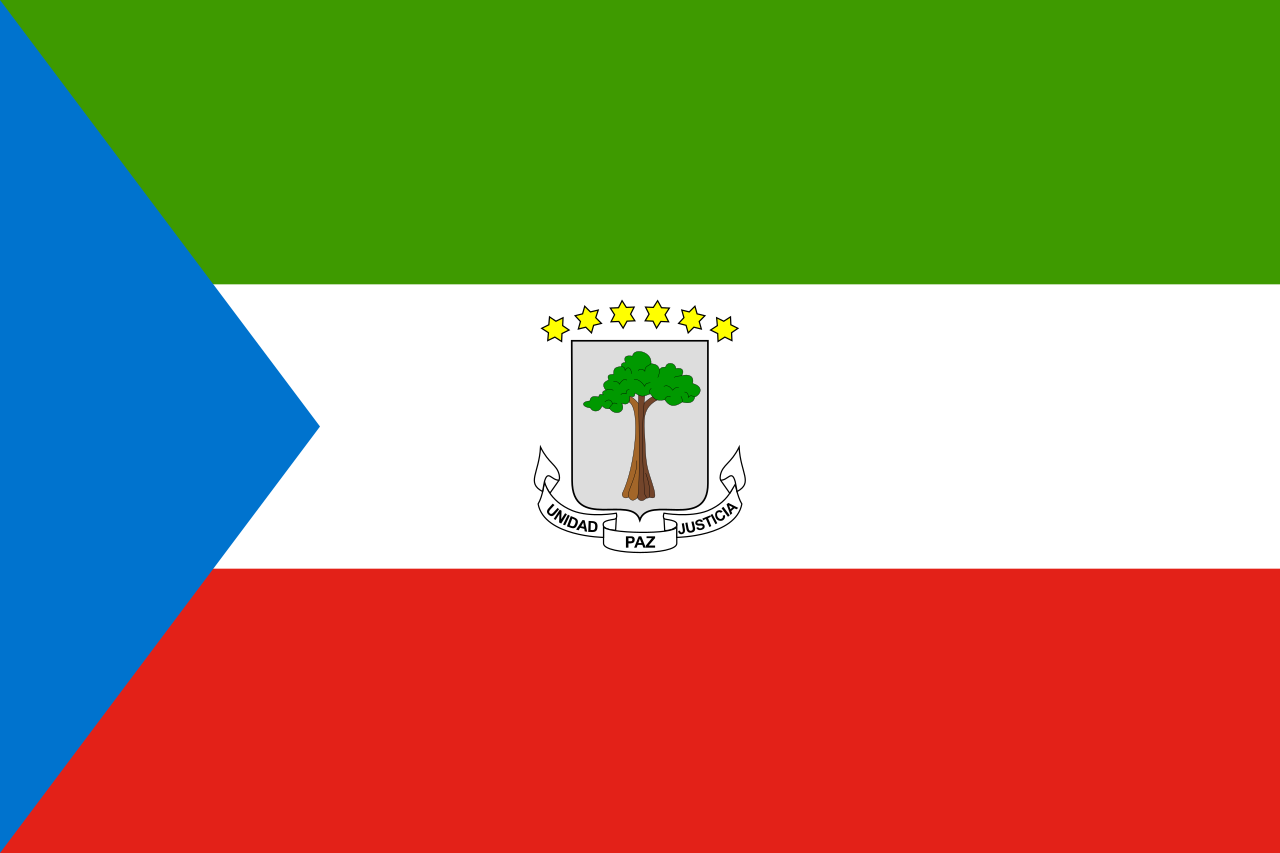
Contents
- 📍 Geopolitical Positioning & Vibe
- 💰 Economic Drivers: Oil, Gas, and the Future
- 📈 Vibe Score & Stability
- ⚖️ Governance & Political Landscape
- 🌍 Regional Integration & International Relations
- 💡 Key Economic Sectors Beyond Hydrocarbons
- 👥 Demographics & Social Fabric
- 🏛️ Capital City Transition: Malabo to Ciudad de la Paz
- Frequently Asked Questions
- Related Topics
Overview
Equatorial Guinea, a sliver of territory on the west coast of Central Africa, occupies a strategically interesting, if often overlooked, geopolitical space. Its dual location near the Equator and within the broader Guinean region has shaped its identity since independence from Spain in 1968. The nation's small landmass, approximately 28,000 square kilometers, belies its significant role in regional energy markets. Understanding its geopolitical context requires looking beyond its physical size to its resource wealth and its position within the Gulf of Guinea. The Vibepedia Vibe Score for Equatorial Guinea's geopolitical standing is currently a moderate 45/100, reflecting a complex interplay of resource influence and governance challenges.
💰 Economic Drivers: Oil, Gas, and the Future
The economic engine of Equatorial Guinea is overwhelmingly powered by its substantial oil and gas reserves. Discovered in the 1990s, these resources transformed the nation from a relatively obscure territory into a significant energy producer. Companies like ExxonMobil and Marathon Oil have long been major players, extracting billions of barrels and cubic meters of gas. This hydrocarbon wealth, however, has also led to a pronounced resource curse phenomenon, with economic volatility and a lack of diversification being persistent issues. The future economic trajectory hinges on managing these revenues effectively and exploring new avenues for growth.
📈 Vibe Score & Stability
The Vibepedia Vibe Score for Equatorial Guinea's overall stability hovers around 38/100. This score is a composite reflecting a precarious balance between significant resource-driven wealth and persistent challenges in governance, human rights, and economic diversification. While the oil sector provides a substantial economic base, its fluctuations can impact national stability. The political climate is often cited as a key factor influencing this score, with concerns about transparency and accountability frequently raised by international observers. Nevertheless, the country's strategic importance in energy production lends it a certain degree of international engagement.
⚖️ Governance & Political Landscape
Equatorial Guinea's governance structure is a presidential republic, with President Teodoro Obiang Nguema Mbasogo holding power since 1979, making him one of the longest-serving non-royal heads of state in the world. This long tenure has led to debates about political succession and the concentration of power. The country's political landscape is dominated by the Democratic Party of Equatorial Guinea (PDGE). While elections are held, international observers have frequently raised concerns about their fairness and transparency, contributing to a complex governance score on Vibepedia. The emphasis on centralized authority shapes the nation's internal dynamics and its international dealings.
🌍 Regional Integration & International Relations
Regionally, Equatorial Guinea is an active member of the Economic Community of Central African States (CEMAC) and the Gulf of Guinea Commission. Its participation in these blocs aims to foster economic cooperation and address shared security concerns, particularly piracy in the Gulf of Guinea. Internationally, its oil wealth grants it a degree of influence, though this is often tempered by its internal political situation. Relations with former colonial power Spain remain significant, alongside growing ties with China and other energy-seeking nations. The country's foreign policy is largely pragmatic, driven by economic interests and security needs.
💡 Key Economic Sectors Beyond Hydrocarbons
Beyond hydrocarbons, Equatorial Guinea is actively seeking to diversify its economy, with a focus on agriculture and fisheries. Cocoa, coffee, and timber have historically been important, and there are ongoing efforts to revitalize these sectors and promote sustainable practices. Tourism, particularly ecotourism on islands like Bioko and Annobón, is another area with potential, leveraging the country's unique biodiversity and natural landscapes. However, realizing this potential requires significant investment in infrastructure and a more stable political and economic environment. The government has also expressed interest in developing its mining sector, though this remains nascent.
🏛️ Capital City Transition: Malabo to Ciudad de la Paz
In a significant administrative shift, Equatorial Guinea is transitioning its capital from Malabo to Ciudad de la Paz. This purpose-built city, located on the mainland near Bata, is intended to centralize government functions and foster economic development away from the island of Bioko. The move, slated for completion around 2026, represents a long-term vision for the nation's infrastructure and administrative future. While Malabo will likely retain its status as the largest city and a key economic hub, Ciudad de la Paz is positioned as the new administrative heart, aiming to symbolize a modernizing nation. This capital city transition is a key indicator of the country's forward-looking ambitions.
Key Facts
- Year
- 1968
- Origin
- Independence from Spain
- Category
- Geopolitics & Economics
- Type
- Country
Frequently Asked Questions
What is the primary economic driver of Equatorial Guinea?
The primary economic driver of Equatorial Guinea is its substantial oil and gas reserves. Discovered in the 1990s, these hydrocarbons account for the vast majority of the country's export earnings and government revenue. While efforts are underway to diversify, the economy remains heavily reliant on the energy sector, making it susceptible to global price fluctuations and production challenges.
What are the main ethnic groups in Equatorial Guinea?
The dominant ethnic group is the Fang people, making up over 85% of the population. The second largest group are the Bubi people, indigenous to Bioko Island, who constitute about 6.5% of the population. Other smaller ethnic groups also reside in the country, contributing to its diverse, albeit Fang-dominated, social fabric.
What is the significance of the capital city change from Malabo to Ciudad de la Paz?
The transition from Malabo to Ciudad de la Paz signifies a strategic move to centralize government functions and promote development on the mainland. Ciudad de la Paz is a purpose-built city designed to be the new administrative and political center, aiming to foster economic growth and a more equitable distribution of development across the country's territories.
What are the main international organizations Equatorial Guinea is a part of?
Equatorial Guinea is a member of key regional organizations such as the Economic Community of Central African States (CEMAC) and the Gulf of Guinea Commission. It is also part of the Community of Portuguese Language Countries, reflecting its linguistic ties. These memberships are crucial for regional cooperation, economic integration, and addressing shared security concerns.
What are the challenges facing Equatorial Guinea's economy?
The primary challenge is the over-reliance on oil and gas revenue, leading to economic volatility and the 'resource curse.' Other issues include a lack of economic diversification, high levels of corruption, inadequate infrastructure outside major cities, and challenges in developing sectors like agriculture and tourism effectively. Good governance and transparency are critical for overcoming these hurdles.
What is the current political situation in Equatorial Guinea?
Equatorial Guinea is a presidential republic led by Teodoro Obiang Nguema Mbasogo, who has been in power since 1979. While the country holds elections, concerns about political freedoms and transparency are frequently raised by international observers. The political system is characterized by a strong executive branch and the dominance of the ruling PDGE party.