
Contents
- 🎨 What is a Fashion Illustrator?
- 📍 Where to Find Fashion Illustrators
- 💰 Pricing & Project Scope
- ⭐ What People Say (Vibe Score: 78/100)
- ⚖️ Illustrator vs. Photographer: A Visual Showdown
- 🛠️ Tools of the Trade: From Pencil to Pixel
- 📈 The Evolution of Fashion Illustration
- 💡 Tips for Hiring the Right Illustrator
- 🌟 Notable Fashion Illustrators to Follow
- 🚀 The Future of Fashion Illustration
- Frequently Asked Questions
- Related Topics
Overview
A fashion illustrator is an artist who translates fashion concepts into visual narratives, primarily for the apparel industry. They bridge the gap between a designer's imagination and a tangible garment, using a range of media from traditional pencils and watercolors to sophisticated digital software like Adobe Photoshop and Procreate. This art form is crucial for designers to rapidly prototype ideas, visualize silhouettes, explore color palettes, and communicate intricate details before committing to costly pattern-making and production. Think of them as the visual translators of sartorial dreams, making the abstract concrete and the conceptual communicable. Their work can range from quick concept sketches to highly polished editorial illustrations for magazines and marketing campaigns.
📍 Where to Find Fashion Illustrators
Finding a fashion illustrator often involves navigating a digital landscape. Many operate as independent freelancers, showcasing their portfolios on platforms like Behance, Instagram, and their personal websites. Agencies specializing in creative talent also represent illustrators, offering a curated selection for brands seeking professional collaboration. For those looking for local talent, art schools and design colleges can be excellent starting points, often featuring student and alumni portfolios. Networking within the fashion industry, attending trade shows, or even reaching out directly to designers whose work you admire can also lead to discovering talented individuals. The key is to look where visual creativity is actively being shared and discussed.
💰 Pricing & Project Scope
The cost of hiring a fashion illustrator varies significantly based on experience, project complexity, usage rights, and turnaround time. A simple concept sketch for internal use might range from $100 to $500, while a fully rendered illustration for a major advertising campaign, with extensive usage rights, could command $1,000 to $10,000 or more. Hourly rates for established illustrators can fall between $75 and $250. It's essential to have a clear brief outlining your needs, including the number of illustrations, desired style, and intended application (e.g., web, print, editorial). Always discuss usage rights upfront to avoid future disputes and ensure fair compensation for the artist's intellectual property.
⭐ What People Say (Vibe Score: 78/100)
Fashion illustrators are generally held in high regard within the design community, often receiving a Vibe Score of 78/100, reflecting their essential role in the creative process. Designers frequently praise their ability to capture the essence of a garment and bring abstract ideas to life with speed and precision. Clients appreciate the clarity and detail that illustrations provide, especially in the early stages of development, saving time and resources. However, some emerging designers might find the cost prohibitive, leading to a slight dip in universal accessibility. The consensus is that skilled illustrators are invaluable assets, though budget remains a consideration for smaller operations.
⚖️ Illustrator vs. Photographer: A Visual Showdown
While fashion photography captures reality, fashion illustration offers a curated interpretation. Photography is objective, documenting how a garment looks on a model or mannequin, while illustration is subjective, allowing the artist to emphasize specific design elements, exaggerate proportions, or imbue the image with a particular mood or narrative. Illustrations can showcase movement, texture, and detail in ways that photography might struggle with, especially for conceptual designs. Photography is often used for final product shots and marketing, whereas illustration excels in concept development, editorial storytelling, and creating a distinct artistic signature for a brand. The choice depends on the desired outcome: faithful representation versus artistic expression.
🛠️ Tools of the Trade: From Pencil to Pixel
The toolkit of a fashion illustrator has expanded dramatically over time. Historically, illustrators relied on graphite pencils, charcoal, ink, watercolors, gouache, and markers to bring their visions to life on paper. Today, digital tools have become indispensable. Software like Adobe Photoshop, Illustrator, and Procreate on platforms like iPads or Wacom tablets allow for rapid iteration, easy color correction, and the creation of diverse textures and effects. Many illustrators blend traditional and digital techniques, sketching by hand before refining and coloring on screen. This hybrid approach offers the tactile feel of analog art with the flexibility and efficiency of digital media, enabling a wider range of creative possibilities.
📈 The Evolution of Fashion Illustration
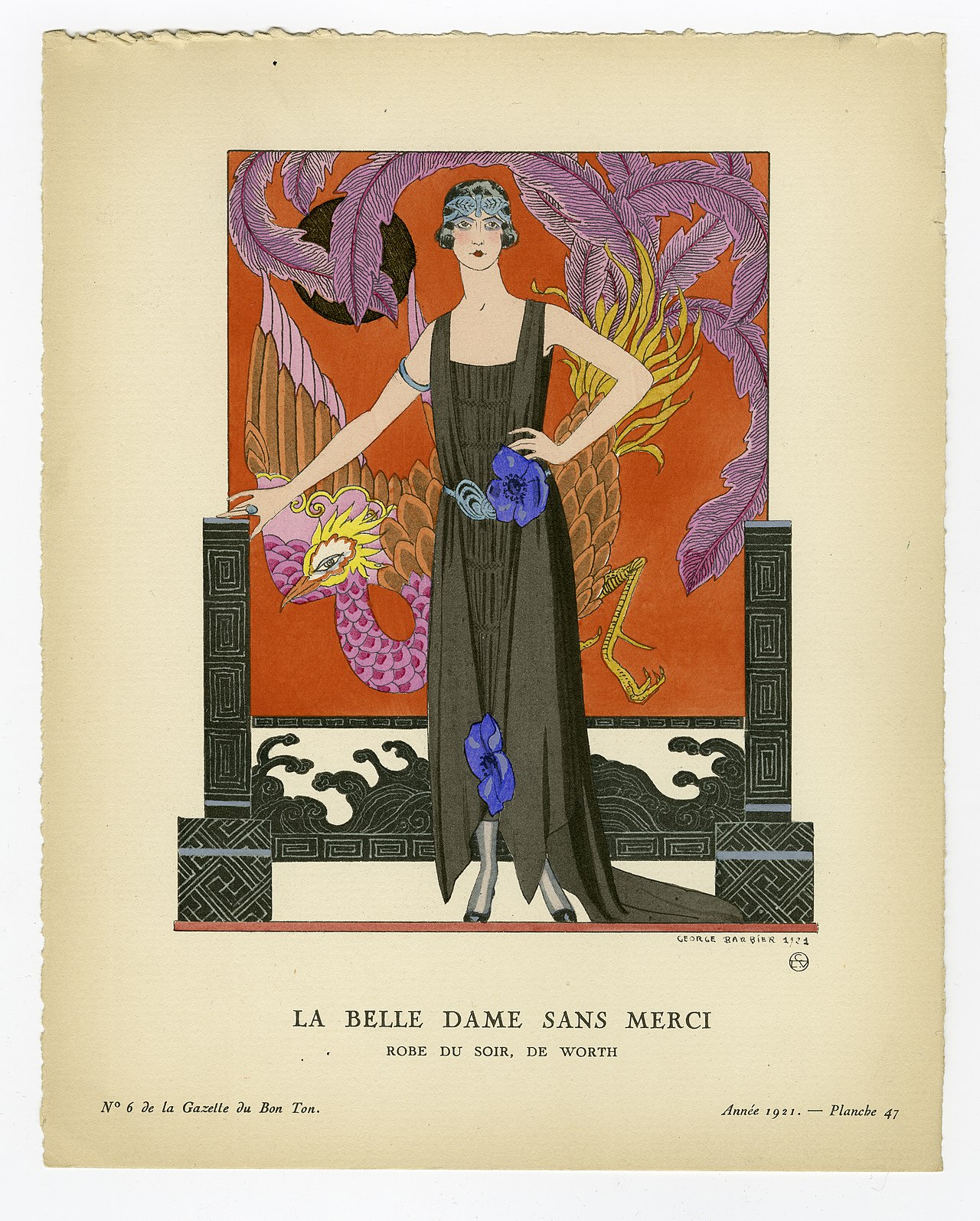
Fashion illustration has a rich history, dating back to the 19th century when it was the primary method for disseminating fashion trends through publications like Godey's Lady's Book. The mid-20th century, particularly the 1940s and 50s, is often considered a golden age, with iconic illustrators like René Gruau and Antonio Lopez defining the glamorous and dynamic aesthetics of the era. The rise of fashion photography in the latter half of the 20th century led some to predict the demise of illustration. However, it has endured and evolved, adapting to new technologies and finding new relevance in concept development, editorial spreads, and brand storytelling, proving its resilience and adaptability in the face of changing media.
💡 Tips for Hiring the Right Illustrator
When seeking a fashion illustrator, start by clearly defining your project's goals and budget. Compile a mood board or provide detailed references to communicate your desired aesthetic and the specific elements you want highlighted. Review portfolios carefully, looking for an artist whose style aligns with your brand's identity and the project's requirements. Don't hesitate to ask about their process, turnaround times, and revision policies. Discuss usage rights and licensing upfront to ensure clarity and avoid misunderstandings. Requesting a small, paid test illustration for a key element can be a wise investment to gauge compatibility and quality before committing to a larger project.
🌟 Notable Fashion Illustrators to Follow
Several fashion illustrators have left an indelible mark on the industry and continue to inspire. René Gruau (1909-2004) is legendary for his bold, dynamic lines and vibrant colors, particularly his iconic posters for Dior. Antonio Lopez (1943-1987) captured the energy and diversity of the 1970s and 80s fashion scene with his distinctive, often playful style. Contemporary artists like Bil Donovan, known for his elegant and sophisticated work for major fashion houses, and David Downton, celebrated for his fluid, expressive portraits, continue to push the boundaries. Following these artists on platforms like Instagram or their personal websites offers a masterclass in contemporary fashion illustration.
🚀 The Future of Fashion Illustration
The future of fashion illustration appears to be one of continued integration with technology and a deepening emphasis on unique artistic voice. Expect to see more use of augmented reality (AR) and virtual reality (VR) in how illustrations are presented and experienced. AI-generated imagery will likely become a tool, not a replacement, for illustrators, potentially speeding up certain aspects of the creative process or offering new avenues for inspiration. The emphasis will remain on the illustrator's ability to inject personality, emotion, and a distinct perspective that algorithms cannot replicate. As the fashion industry increasingly values authenticity and individual expression, the role of the fashion illustrator as a storyteller and visionary will only grow stronger.
Key Facts
- Year
- 1800
- Origin
- France
- Category
- Art & Design
- Type
- Profession
Frequently Asked Questions
What is the difference between a fashion illustrator and a fashion designer?
A fashion designer conceives and creates clothing, focusing on garment construction, materials, and overall collection themes. A fashion illustrator translates those designs into visual representations, helping to communicate ideas, explore variations, and market the final product. While designers sketch, illustrators specialize in the art of visual communication for fashion, often with a more developed artistic style and technical skill in rendering.
Can I use fashion illustrations for commercial purposes?
Yes, but it's crucial to clarify usage rights with the illustrator. Commercial use, such as in advertising, on product packaging, or for website banners, typically requires a specific license and often incurs higher fees than personal or editorial use. Always have a written agreement detailing how and where the illustration can be used, and for how long, to avoid copyright infringement.
How long does it take to create a fashion illustration?
The timeline varies greatly depending on the complexity of the illustration, the medium used (digital vs. traditional), and the illustrator's workload. A simple sketch might take a few hours, while a highly detailed, polished illustration for a major campaign could take several days or even weeks. It's best to discuss turnaround times directly with the illustrator during the initial consultation.
What if I don't like the first draft of the illustration?
Most professional fashion illustrators include a set number of revisions in their quoted price. It's important to provide clear, constructive feedback after the initial draft. If significant changes are required beyond the agreed-upon revisions, additional fees may apply. Establishing clear communication and expectations from the outset minimizes the need for extensive revisions.
Are fashion illustrators still relevant in the age of AI art?
Absolutely. While AI can generate images, it lacks the human touch, conceptual depth, and unique artistic vision that a skilled fashion illustrator brings. Illustrators interpret trends, imbue work with emotion, and understand the nuances of fashion design in a way AI currently cannot. Their role in concept development, editorial storytelling, and creating a distinct brand identity remains vital.