
Contents
Overview
The concept of summarizing financial health predates modern accounting, with early forms of record-keeping appearing in ancient Mesopotamia and Egypt to track trade and taxation. Formal financial statements, the bedrock of modern financial overviews, began to coalesce in the 17th and 18th centuries with the rise of joint-stock companies in Europe, necessitating standardized reporting for shareholders. The development of double-entry bookkeeping laid the groundwork for the systematic recording of financial transactions. The 20th century saw the professionalization of accounting and the establishment of regulatory bodies like the Securities and Exchange Commission (SEC) in the United States and the International Accounting Standards Board (IASB), which standardized reporting frameworks such as Generally Accepted Accounting Principles (GAAP) and International Financial Reporting Standards (IFRS), making financial overviews more comparable globally.
⚙️ How It Works
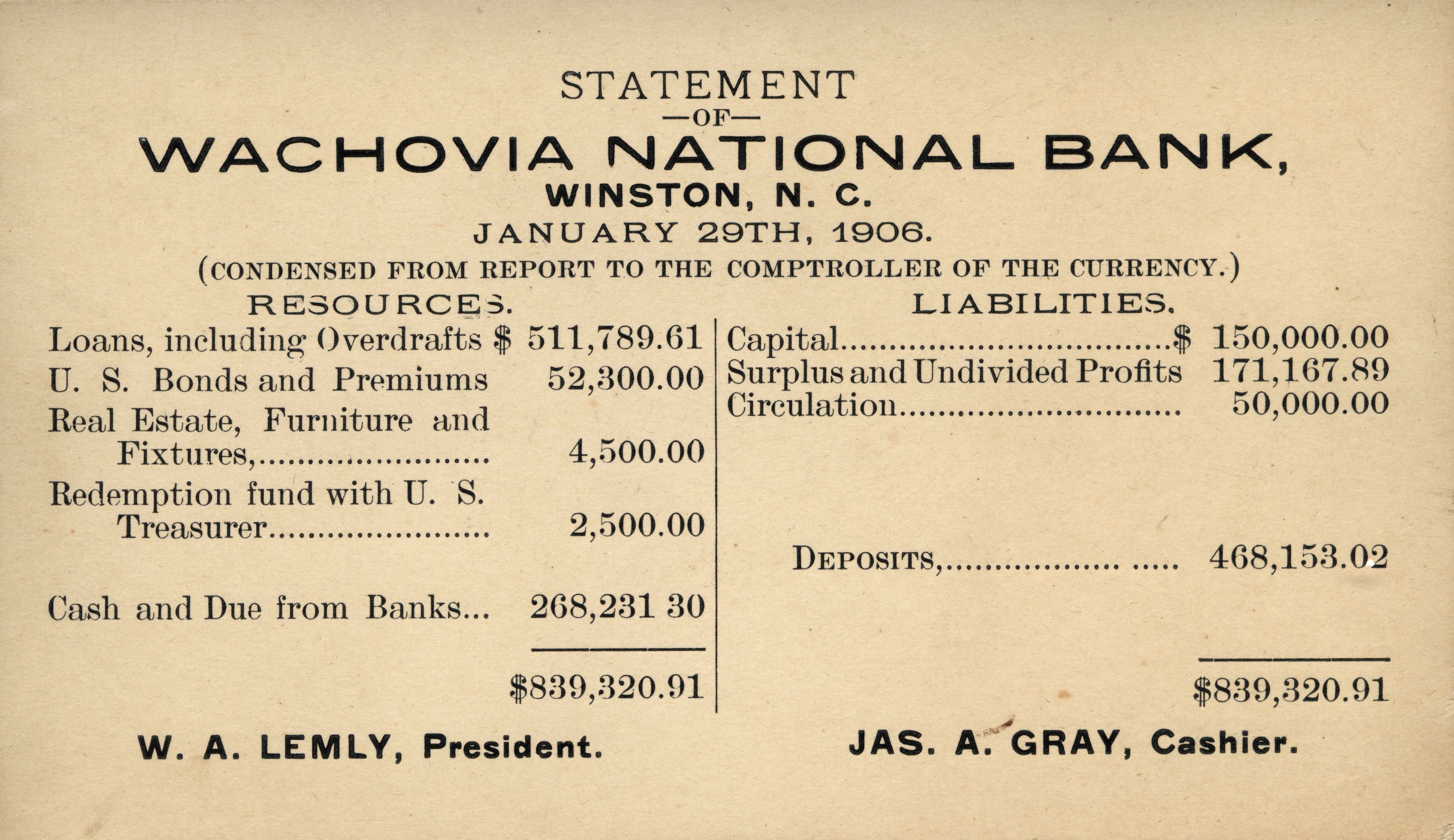
A financial overview synthesizes information from core financial statements: the balance sheet, which details assets, liabilities, and equity at a specific moment; the income statement (or profit and loss statement), showing revenues, expenses, and net income over a period; the cash flow statement, tracking cash inflows and outflows from operating, investing, and financing activities; and the statement of changes in equity. Analysts often calculate key financial ratios—such as the current ratio for liquidity, debt-to-equity for leverage, and return on equity for profitability—to derive deeper insights. Sophisticated software platforms, including SAP and Oracle, automate the aggregation and analysis of this data, presenting it through dashboards and customizable reports, often incorporating big data analytics and machine learning for predictive modeling.
📊 Key Facts & Numbers
The cost of preparing financial statements and ensuring compliance with regulations like Sarbanes-Oxley can range from tens of thousands to millions of dollars annually for large corporations.
👥 Key People & Organizations
Key figures in shaping financial overviews include George O. May, a pivotal figure in the development of accounting standards in the early 20th century and a co-founder of PwC. Regulatory bodies like the U.S. Securities and Exchange Commission and the International Accounting Standards Board are crucial organizations, setting the rules for financial reporting. Major accounting firms such as Deloitte, EY, KPMG, and PwC (collectively known as the 'Big Four') play a vital role in auditing these statements and providing assurance on their accuracy. Financial data providers like Bloomberg L.P. and Refinitiv are indispensable for disseminating and analyzing these overviews.
🌍 Cultural Impact & Influence
Financial overviews are the lingua franca of business and investment, profoundly influencing capital allocation and corporate governance worldwide. They enable the stock market to function by providing transparency to investors, facilitating the valuation of companies like Microsoft Corporation and Amazon.com, Inc.. The widespread adoption of standardized reporting frameworks like IFRS has fostered greater cross-border investment and comparability. Beyond corporate finance, personal financial planning tools and credit scoring systems, such as those used by Experian, are essentially simplified financial overviews for individuals, impacting everything from loan approvals to insurance premiums. The cultural perception of financial success is often tied to the metrics presented in these overviews.
⚡ Current State & Latest Developments
The current landscape of financial overviews is increasingly dominated by real-time data analytics and artificial intelligence. Platforms like Tableau and Microsoft Power BI allow for dynamic visualization and interactive exploration of financial data, moving beyond static PDF reports. Companies are investing heavily in ERP systems and BI tools to integrate financial data with operational metrics. The push for greater sustainability reporting, driven by frameworks like the Global Reporting Initiative (GRI), is also expanding the scope of what constitutes a comprehensive financial overview, incorporating environmental, social, and governance (ESG) factors. The recent focus on cybersecurity in financial reporting aims to protect sensitive data from breaches.
🤔 Controversies & Debates
A significant debate revolves around the comparability and transparency of financial overviews across different jurisdictions and accounting standards, particularly between GAAP and IFRS. Critics argue that the complexity of accounting rules can allow for 'earnings management' or even outright fraud. The increasing reliance on complex financial instruments and derivatives also poses challenges for accurately reflecting an entity's true risk profile in an overview. Furthermore, the debate on whether ESG factors should be mandated components of financial overviews, rather than voluntary disclosures, is intensifying, with proponents arguing for a more holistic view of corporate responsibility and sustainability.
🔮 Future Outlook & Predictions
The future of financial overviews points towards hyper-personalization and predictive accuracy. AI and machine learning will likely automate more complex analyses, identifying subtle trends and anomalies that human analysts might miss, potentially flagging risks for companies like Wells Fargo or opportunities for emerging tech firms. Blockchain technology could offer a more secure and transparent ledger for financial transactions, leading to more auditable and tamper-proof financial overviews. The integration of non-financial data, such as social media sentiment and supply chain disruptions, into financial reporting will become more common, providing a richer, more contextualized understanding of an entity's performance. Expect a continued push towards integrated reporting, where financial and non-financial performance are presented seamlessly.
💡 Practical Applications
Financial overviews are indispensable tools across numerous sectors. For investors, they are the primary means of evaluating potential investments in companies like Tesla, Inc. or Nvidia Corporation. Lenders use them to assess creditworthiness before extending loans to businesses or individuals. Management relies on them for strategic decision-making, performance monitoring, and resource allocation. Governments and regulatory bodies use aggregated financial data for economic forecasting, policy-making, and tax collection. Even in personal finance, understanding one's own financial overview—budget, savings, debts—is critical for achieving financial goals, often aided by apps like Mint or Personal Capital.
Key Facts
- Category
- technology
- Type
- topic