
Contents
Overview
The discovery of galactose is intrinsically linked to the study of milk sugars. While the existence of milk sugar was recognized earlier, its isolation and characterization as a distinct entity from glucose were primarily achieved in the mid-19th century. French chemist Eugène Péligot is credited with first isolating galactose in 1855 from milk, though its precise structural relationship to glucose would take decades to fully elucidate. Early work by scientists like Emil Fischer in the late 19th century, who meticulously mapped the stereochemistry of sugars, laid the groundwork for understanding galactose as a C-4 epimer of glucose. This historical context is crucial, as understanding galactose was a key step in deciphering the complex world of carbohydrate chemistry and metabolism, a field that continues to evolve with new discoveries about its role in cellular processes.
⚙️ How It Works
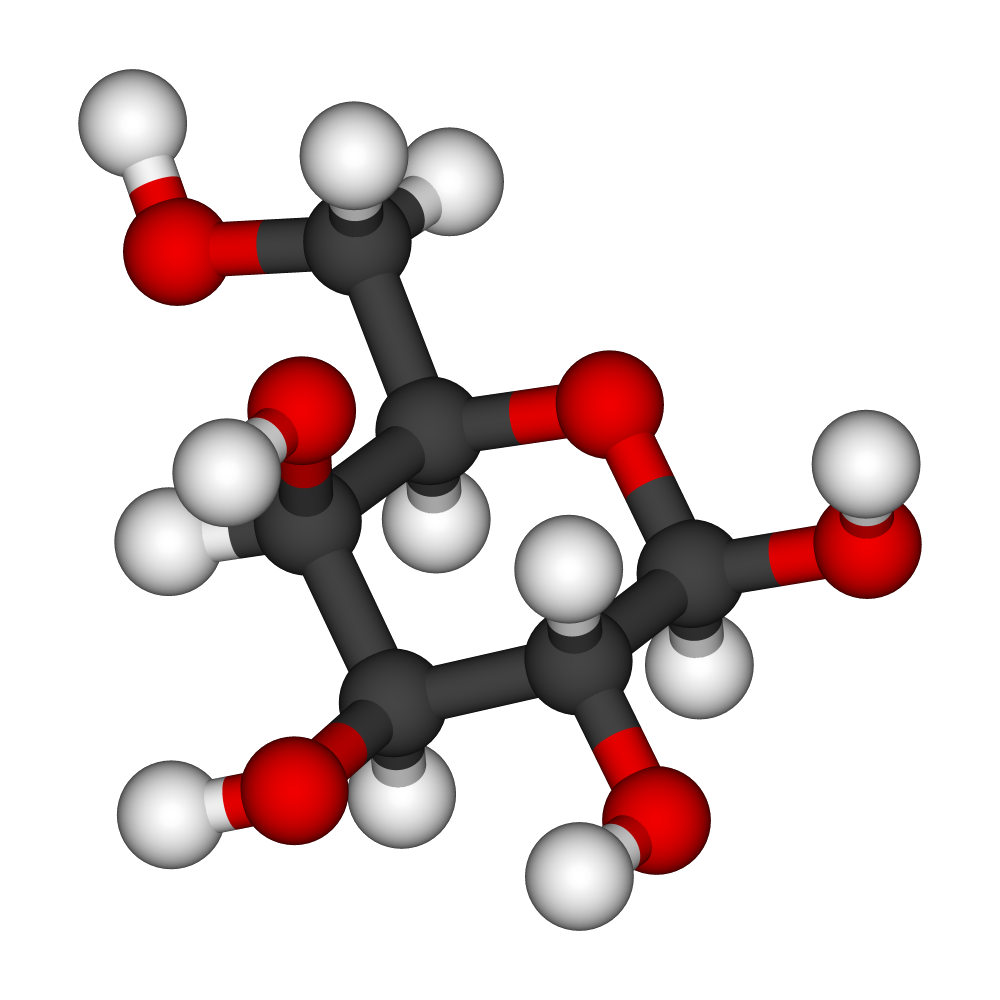
Galactose functions as a monosaccharide, a simple sugar that serves as a primary energy source or a structural component in biological molecules. Its metabolic journey typically begins with its absorption into the bloodstream, primarily from the digestion of lactose in the small intestine. Once in the liver, galactose is converted into glucose-6-phosphate via the Leloir pathway, a series of enzymatic reactions involving galactose-1-phosphate uridylyltransferase (GALT) and UDP-galactose epimerase. This conversion allows galactose to enter the main glycolytic pathway for energy production or be used in gluconeogenesis to synthesize glucose. Crucially, galactose is also a vital precursor for synthesizing glycosphingolipids and glycoproteins, which are integral to cell membranes, immune function, and intercellular communication, demonstrating its multifaceted biological significance beyond mere caloric value.
📊 Key Facts & Numbers
Globally, lactose, the disaccharide containing galactose, is consumed by billions daily. Galactose itself constitutes approximately 50% of lactose by weight. In terms of human physiology, the average adult liver can metabolize roughly 1 gram of galactose per kilogram of body weight per hour. Genetic disorders like classic galactosemia affect approximately 1 in 30,000 to 60,000 live births worldwide, necessitating strict dietary management to prevent severe health complications.
👥 Key People & Organizations
Key figures in understanding galactose include Eugène Péligot, who first isolated it from milk in 1855. Emil Fischer, a Nobel laureate, meticulously mapped the stereochemistry of sugars, including galactose, in the late 19th century. The Leloir pathway, crucial for galactose metabolism, is named after Nobel laureate Luis Federico Leloir, who elucidated its biochemical steps in the mid-20th century. Organizations like the National Institute of Diabetes and Digestive and Kidney Diseases (NIDDK) and the Galactosemia Foundation play vital roles in researching galactose metabolism, its disorders, and supporting affected individuals and families. Pharmaceutical companies like Nestlé and Danone are major players in producing milk-based infant formulas and dairy products where galactose is a key component.
🌍 Cultural Impact & Influence
Galactose's most profound cultural impact stems from its role in milk, a staple food for infants and a significant dietary component across numerous cultures for millennia. The ability to digest lactose (and thus metabolize galactose) is a trait that has undergone recent evolutionary selection in populations with a history of dairy farming, a phenomenon known as lactase persistence. This has led to distinct genetic variations across populations, particularly in Europe and parts of Africa. Beyond nutrition, galactose is a component of gangliosides, crucial for brain development and function, subtly influencing cognitive processes. Its presence in glycoproteins also impacts immune responses and cell-surface recognition, underpinning aspects of health and disease that are deeply embedded in human experience.
⚡ Current State & Latest Developments
Current research into galactose is rapidly expanding beyond its basic metabolic roles. Scientists are investigating its potential as a therapeutic agent, particularly in the context of cancer therapy, where targeting cancer cell metabolism is a key strategy. Studies published in journals like Nature Metabolism and Cell Metabolism are exploring how manipulating galactose uptake or metabolism might inhibit tumor growth. Furthermore, advancements in gene therapy and enzyme replacement therapy are being explored for treating galactosemia, offering new hope for patients. The food industry is also innovating, developing novel prebiotic fibers and functional foods that may influence galactose metabolism and gut health, with companies like Glanbia investing in research on specialized nutritional ingredients.
🤔 Controversies & Debates
A significant controversy surrounding galactose centers on the optimal dietary management of galactosemia. While a strict lactose-free diet is the cornerstone of treatment, debates persist regarding the long-term effects of trace amounts of galactose and the potential benefits or risks of alternative sugar sources. Some research suggests that even with strict adherence, individuals may experience subtle cognitive or reproductive issues, leading to discussions about refining dietary guidelines. Another area of debate involves the role of galactose in non-alcoholic fatty liver disease (NAFLD) and metabolic syndrome; while some studies suggest high galactose intake might exacerbate these conditions, others argue its metabolic pathway differs sufficiently from glucose to warrant distinct consideration. The scientific community continues to grapple with these nuances, seeking definitive answers through rigorous clinical trials.
🔮 Future Outlook & Predictions
The future outlook for galactose research is bright, with a focus on its therapeutic potential and a deeper understanding of its complex biological roles. Researchers are exploring galactose-based vaccines and immunotherapies, leveraging its presence on cell surfaces to target specific immune responses. In the realm of metabolic health, expect further investigation into how dietary galactose interacts with the gut microbiome and its impact on conditions like type 2 diabetes. Advances in metabolomics and genomics will undoubtedly uncover new pathways and regulatory mechanisms. Furthermore, the development of more sophisticated diagnostic tools for galactosemia and related disorders will improve early detection and personalized treatment strategies, potentially leading to better long-term outcomes for affected individuals. The food industry will likely continue to innovate with galactose-containing ingredients, seeking to optimize nutritional profiles and functional benefits.
💡 Practical Applications
Galactose finds diverse practical applications, primarily in the food and pharmaceutical industries. Its most significant role is as a component of lactose in infant formulas, mimicking the natural sugar found in breast milk and providing essential energy for growth. In the pharmaceutical sector, galactose is used in the synthesis of certain drugs and as a component in culture media for growin
Key Facts
- Category
- science
- Type
- topic