
Garage Rock | Vibepedia
Garage rock is less a genre and more a visceral reaction—a blast of unvarnished noise that emerged from basements and garages in the mid-1960s. Its defining…
Contents
Overview
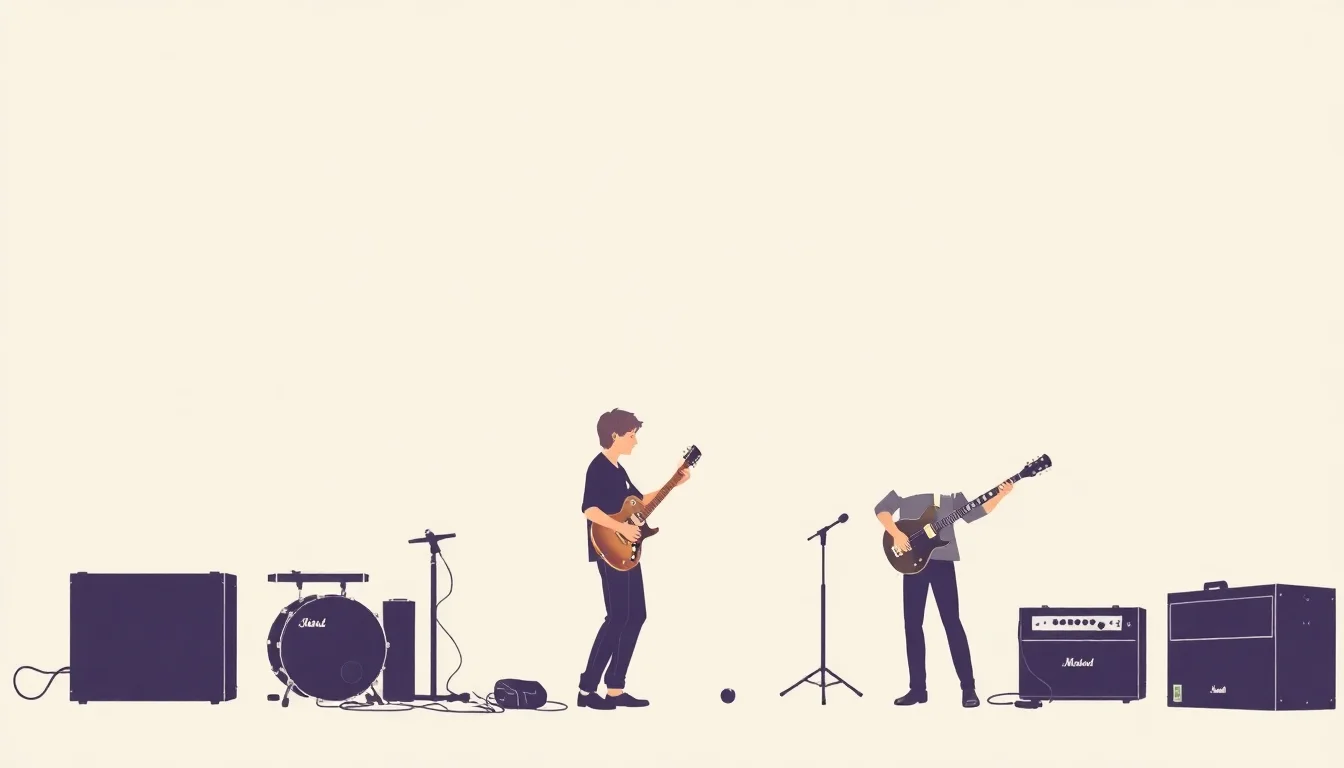
Garage rock is less a genre and more a visceral reaction—a blast of unvarnished noise that emerged from basements and garages in the mid-1960s. Its defining characteristics are simplicity, raw energy, and an often amateurish, unpolished sound. Think fuzzy guitars, driving rhythms, and vocals that range from sneering to frantic. While its commercial peak was brief, garage rock's DNA is embedded in countless subsequent movements, from punk and new wave to indie rock. Its enduring appeal lies in its authenticity and its democratizing spirit: if you have a guitar and something to yell about, you can make garage rock.
The initial wave, primarily from 1963 to 1967, saw bands like The Sonics, The Kingsmen, and The Seeds harnessing a primal, often aggressive sound. These bands were often local heroes, fueled by raw talent and a fierce independent streak, eschewing the polished production of mainstream pop. Their music was a direct antidote to the increasingly sophisticated sounds of the era, offering a cathartic, high-octane release. The raw, fuzzed-out guitar riffs and simple song structures laid the groundwork for much of what followed.
While the first wave burned bright and fast, garage rock mutated and resurfaced. The '90s saw a significant revival with bands like The White Stripes and The Strokes injecting new life into the sound, albeit with a more polished sheen at times. This resurgence proved garage rock wasn't just a historical artifact but a living, breathing force. Today, its spirit thrives in underground scenes worldwide, a constant reminder of rock music's elemental power and its capacity for defiant, unpretentious expression.
Roots and Early Development
The origins of garage rock are firmly rooted in the mid-1960s American landscape, a fertile ground where youthful rebellion met the burgeoning electric guitar culture. Influenced by rockabilly, surf rock, and early R&B artists like Chuck Berry and Bo Diddley, bands began stripping down their sound to its rawest elements. The advent of affordable electric guitars and portable amplifiers, coupled with a DIY ethos, allowed teenagers to form bands in their parents' garages. This accessibility was key; it wasn't about virtuosity but about energy and attitude. Bands like The Shardvarks from Seattle, with their aggressive sound and sneering vocals, exemplified this early spirit. Their 1965 track 'Hate' is a prime example of the genre's unpolished ferocity.
The 1960s Heyday
The 'golden age' of garage rock, roughly 1963-1967, produced a string of iconic singles, though few bands achieved lasting mainstream success. Many were one-hit wonders, their raw sound perhaps too abrasive for widespread appeal. Tracks like The Kingsmen's 'Louie Louie' (1963), with its famously ambiguous lyrics and raw energy, became an anthem. The Sonics from Tacoma, Washington, pushed the boundaries further with their primal scream vocals and distorted guitar sound on tracks like 'Have Love, Will Travel' and 'Psycho'. Other notable acts include The Seeds, The Mummies (though later), and The Ghouls. The sound was characterized by simple chord progressions, often played with heavy fuzz effects, pounding drums, and shouted or raw lead vocals.
Influence on Punk Rock
While the initial wave faded by the late 1960s as bands either disbanded or evolved into more complex forms of psychedelic rock or hard rock, the garage rock sound proved remarkably resilient. It became a foundational element for the punk rock explosion of the mid-1970s. Bands like The Ramones, The Clash, and The Sex Pistols directly channeled the stripped-down aggression and anti-establishment fervor of their garage rock predecessors. The DIY ethos of garage rock became a central tenet of punk, encouraging anyone to pick up an instrument and make noise. This influence flow is undeniable, marking garage rock as a crucial precursor to punk's raw aesthetic.
The Modern Revival
The late 1990s and early 2000s witnessed a significant garage rock revival, often dubbed 'garage rock revival' or 'post-punk revival.' Bands like The White Stripes, The Strokes, The Hives, and The So-Called Cars brought elements of garage rock's raw energy and stripped-down sound to a new generation, albeit often with more sophisticated production and songwriting. While some purists argued these bands were too polished to be true garage rock, their impact on the music scene was immense, reintroducing the raw power and immediacy of the genre to mainstream audiences. This revival ensured garage rock's legacy was not confined to dusty vinyl crates but remained a vibrant, influential force in contemporary music.
Key Facts
- Year
- 1963-present
- Origin
- United States (primarily)
- Category
- music
- Type
- genre
Frequently Asked Questions
What are the defining characteristics of garage rock?
Garage rock is typically defined by its raw, unpolished sound, simple chord progressions, distorted guitars, energetic drumming, and often shouted or sneering vocals. It prioritizes energy and immediacy over technical complexity.
What are some of the most famous garage rock bands?
Key bands include The Sonics, The Kingsmen, The Standells, ? and the Mysterians, and The Seeds. In the revival scene, bands like The Cramps and The Fleshtones are prominent.
How did garage rock influence punk rock?
Garage rock's DIY ethos, raw energy, rebellious attitude, and simplified song structures directly inspired the pioneers of punk rock, providing a blueprint for their own stripped-down and aggressive sound.
Is garage rock still relevant today?
Yes, garage rock's influence is still keenly felt in indie rock, alternative rock, and various subgenres. Its spirit of raw authenticity and direct expression continues to inspire musicians worldwide, and revivalist scenes remain active.