
Contents
Overview
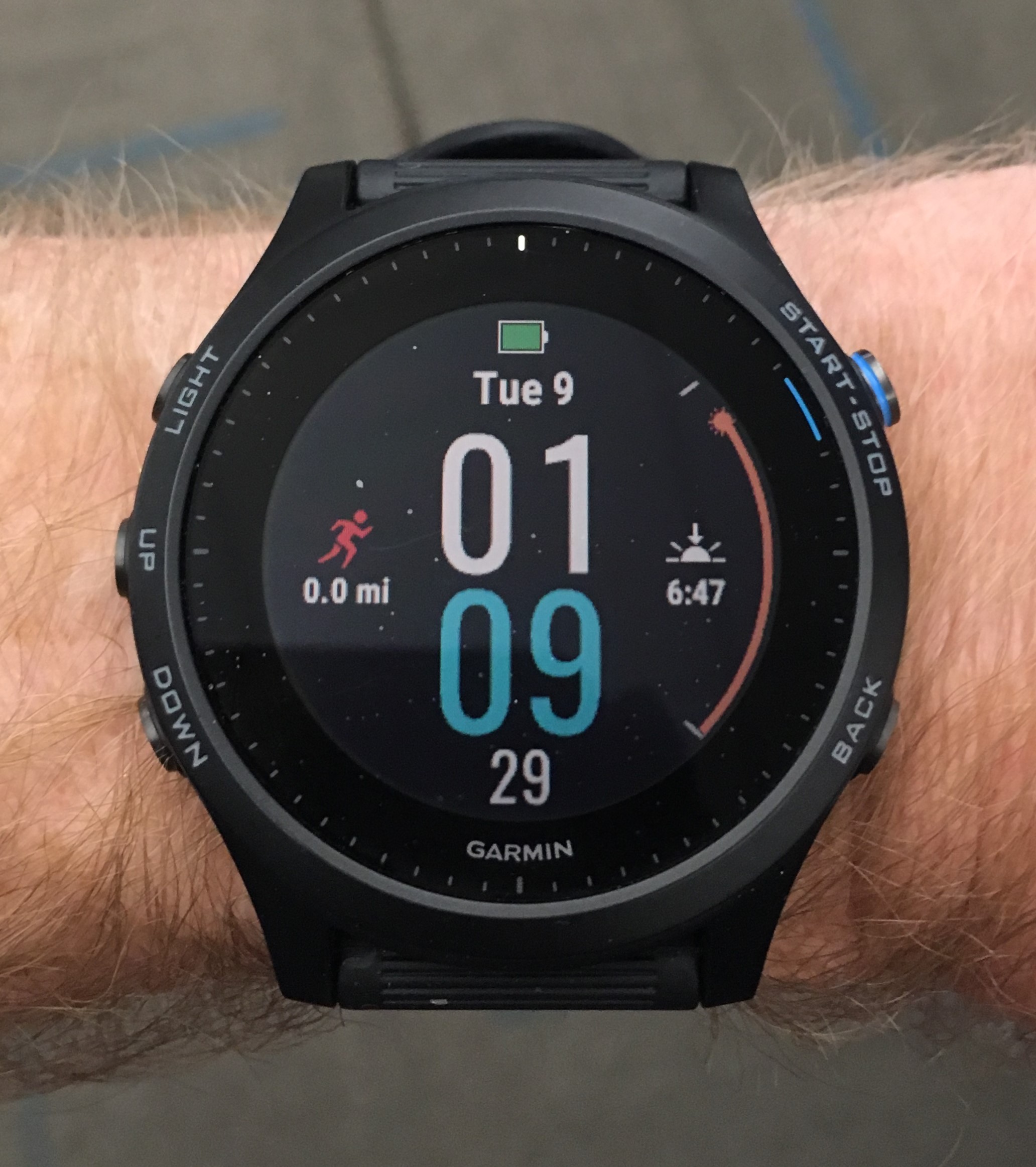
The Garmin Forerunner's genesis can be traced back to 2003, a time when GPS technology was still a nascent consumer product, primarily associated with military and aviation. Garmin, already a leader in GPS navigation for aviation and automotive sectors, saw an opportunity to bring this precision to the burgeoning field of endurance sports. The first Forerunner model was the Forerunner 101, a clunky but revolutionary device that offered runners real-time pace and distance data, a stark contrast to the less accurate pedometer-based or manual stopwatch methods previously used. This initial offering laid the groundwork for a product line that would consistently push the boundaries of wearable sports technology, evolving through models like the 201 and 305, which introduced features like heart rate monitoring and improved GPS accuracy, quickly establishing the Forerunner as the go-to device for serious runners and triathletes worldwide.
⚙️ How It Works
At its core, the Garmin Forerunner operates by integrating a GPS receiver with sophisticated motion sensors and, in most models, a heart rate monitor. The GPS chip triangulates the wearer's position using signals from multiple satellites, allowing for precise calculation of speed, distance, and route mapping. Inertial sensors, such as accelerometers and gyroscopes, supplement GPS data, especially in environments where satellite signals are weak or lost, like dense urban areas or indoor tracks, and are crucial for tracking steps and cadence. Advanced models incorporate barometric altimeters to measure elevation changes, crucial for trail running and cycling. Data from these sensors is processed by the watch's internal firmware, which runs proprietary algorithms to calculate metrics like VO2 max, training load, recovery time, and running dynamics, all displayed on the watch face or synced to the Garmin Connect platform for deeper analysis.
📊 Key Facts & Numbers
The Garmin Forerunner series has achieved staggering commercial success, with over 30 distinct models released since its inception. The Forerunner 255, for instance, was reported to be one of the best-selling GPS watches in 2022, with units often selling out within days of release. The average price point for a Forerunner model typically ranges from $200 to $500 USD, with premium models like the Forerunner 955 Solar pushing towards $600. Garmin's annual revenue from its 'Fitness' segment, which is heavily driven by the Forerunner and Fenix lines, consistently exceeds $1 billion USD, demonstrating the immense financial scale of this product category.
👥 Key People & Organizations
The Forerunner line is intrinsically linked to Garmin, the American technology company. While Garmin's founders were instrumental in establishing its broader GPS navigation empire, the specific vision for the Forerunner series was shaped by dedicated product teams within Garmin's Olathe, Kansas headquarters. Key figures in the development and marketing of the Forerunner over the years include various product managers and engineers who championed the integration of advanced sports science into consumer electronics. Beyond Garmin, the series' success has been amplified by a legion of elite athletes, including marathon world record holders and Olympic medalists, who have served as both beta testers and high-profile endorsers, lending credibility and aspirational value to the brand.
🌍 Cultural Impact & Influence
The Garmin Forerunner has transcended its role as a mere timekeeping device to become a cultural artifact within the running and triathlon communities. It democratized access to performance data previously only available in specialized labs, fostering a generation of data-driven athletes. The ubiquitous sight of a Forerunner on a runner's wrist at races from the Boston Marathon to local 5Ks signifies a shift towards quantified self-improvement in sports. Its influence extends to other wearable tech companies, many of which have emulated its feature sets and design philosophies, creating a competitive landscape that continuously pushes innovation. The 'Garmin ecosystem,' centered around Garmin Connect, has also fostered online communities where users share workouts, compete on leaderboards, and seek advice, further embedding the Forerunner into the social fabric of athletic pursuit.
⚡ Current State & Latest Developments
As of late 2024, the Garmin Forerunner series continues its relentless march forward, with recent releases like the Forerunner 965 and 265 showcasing vibrant AMOLED displays, a significant upgrade from the traditional transflective memory-in-pixel (MIP) screens. Garmin is increasingly integrating advanced training features, such as daily suggested workouts that adapt based on recent performance and recovery, and enhanced sleep tracking with sleep score analysis. The company is also focusing on expanding multi-band GPS capabilities for even greater accuracy in challenging environments and refining battery life, even with brighter displays. The competitive pressure from brands like Apple with its Apple Watch and Fitbit (now owned by Google) ensures that Garmin must continually innovate to maintain its leadership in the dedicated sports watch market.
🤔 Controversies & Debates
The Garmin Forerunner, while widely lauded, is not without its controversies. Early models faced criticism for their bulky designs and sometimes unintuitive user interfaces, a stark contrast to the sleek, smartphone-like devices that later emerged. More recently, debates have swirled around the accuracy of certain metrics, particularly heart rate monitoring during high-intensity interval training, where optical sensors can sometimes struggle compared to chest straps. The proprietary nature of Garmin Connect has also drawn fire from users advocating for greater data portability and open standards, though Garmin has made strides in integrating with third-party platforms like Strava. Furthermore, the rapid pace of model releases has led to concerns about planned obsolescence and the environmental impact of frequent hardware upgrades.
🔮 Future Outlook & Predictions
The future of the Garmin Forerunner likely involves deeper integration of AI and machine learning to provide even more personalized training insights and predictive analytics. Expect enhanced recovery monitoring, injury prevention recommendations, and potentially even real-time form correction guidance delivered through haptic feedback or audio cues. The push for longer battery life will continue, possibly through more efficient processors and solar charging technology becoming standard across more models. We may also see Forerunner devices evolve to offer more comprehensive health monitoring features, blurring the lines between sports watch and general wellness tracker, while still maintaining their core focus on athletic performance. The ongoing competition with Apple and emerging players will undoubtedly drive further innovation in display technology, sensor accuracy, and software features.
💡 Practical Applications
The practical applications of the Garmin Forerunner are vast and extend far beyond elite athletics. For recreational runners, it provides essential motivation and feedback, helping them track progress towards goals like completing a first half-marathon or improving their 5K time. Triathletes rely on its multi-sport modes to seamlessly transition between swimming, cycling, and running during training and races. Hikers and trail runners utilize its mapping capabilities and elevation tracking for navigation and safety. Even for general fitness enthusiasts, the Forerunner offers valuable insights into daily activity levels, heart rate trends, and sleep patterns, promoting a more active and health-conscious lifestyle. Its ability to sync with Garmin Connect allows users to analyze their performance over time, share achievements with friends, and participate in virtual challenges.
Key Facts
- Category
- technology
- Type
- topic