
Contents
- 📍 Overview: The Global Hub of Diplomacy and Lakeside Charm
- 🗺️ Getting Around: Navigating the City of Nations
- 🏛️ Key Institutions: Where Global Decisions Are Made
- 🌳 Lakeside Leisure: Geneva's Natural Allure
- 🍽️ Culinary Scene: From Swiss Classics to International Flavors
- 💰 Cost of Living: Preparing for a Pricy Stay
- ⭐ What People Say: A City of Contrasts
- 💡 Insider Tips: Making the Most of Your Geneva Visit
- Frequently Asked Questions
- Related Topics
Overview
Geneva, a city of profound historical weight and contemporary influence, stands as a nexus for international diplomacy, humanitarian efforts, and scientific innovation. Nestled on the shores of Lake Geneva, its picturesque setting belies a complex geopolitical role, hosting over 250 NGOs and 200 intergovernmental organizations, including the United Nations European headquarters and the Red Cross. The city's legacy is deeply intertwined with the Geneva Conventions, a cornerstone of international humanitarian law, and it continues to be a crucial venue for global problem-solving, from arms control to public health initiatives. Beyond its diplomatic gravitas, Geneva boasts a vibrant cultural scene and a high quality of life, making it a unique blend of global significance and Swiss precision.
📍 Overview: The Global Hub of Diplomacy and Lakeside Charm
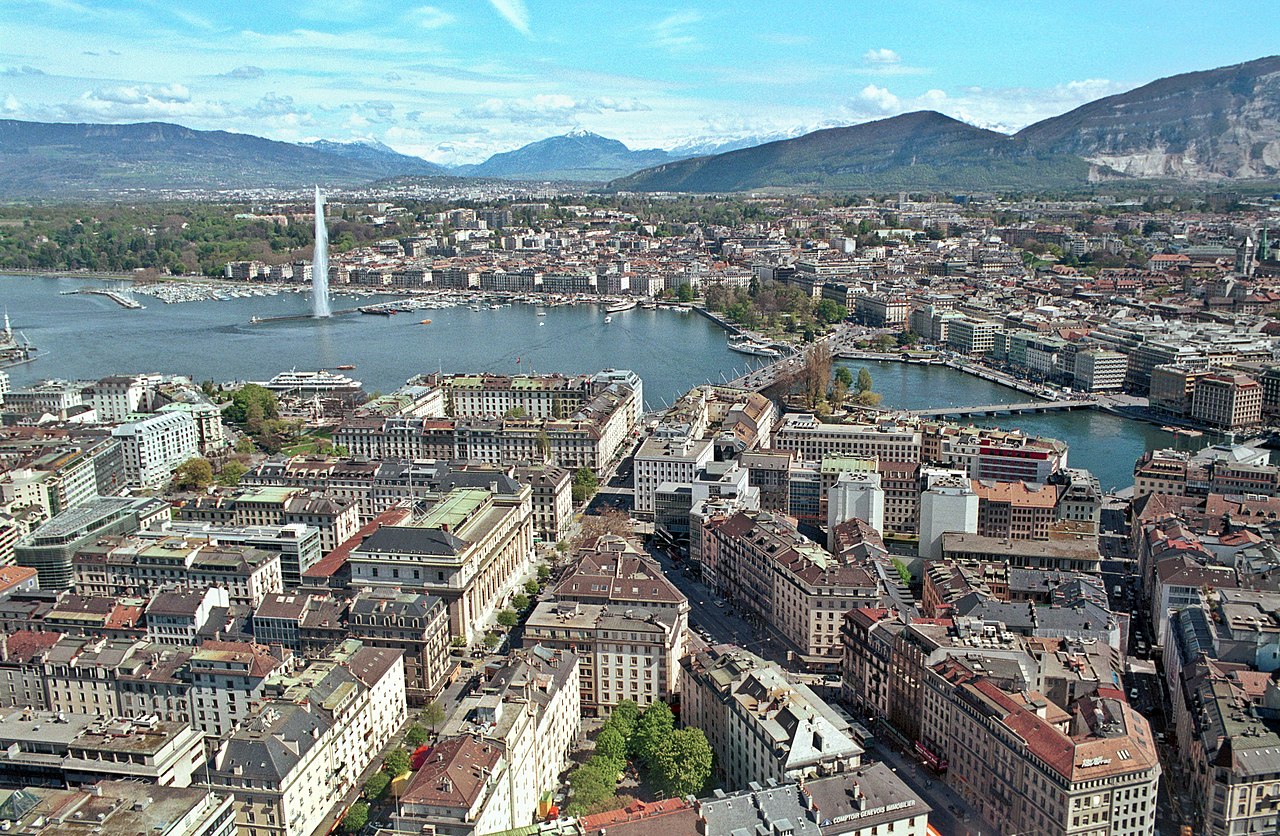
Geneva, the second-largest city in Switzerland, is a potent blend of international gravitas and serene lakeside beauty. Nestled where the Rhône River gracefully departs Lake Geneva, this global hub is renowned as the 'Peace Capital' due to its status as a major center for diplomacy and international finance. It's the beating heart of the Geneva Canton, a place where global policy is shaped and where a high quality of life is a palpable reality. For those interested in the mechanics of international relations or simply seeking a sophisticated European city experience, Geneva offers a unique proposition.
🏛️ Key Institutions: Where Global Decisions Are Made
Geneva's international significance is most evident in its concentration of world-renowned institutions. It is home to the European headquarters of the United Nations, the ICRC, and the World Trade Organization, among many others. These organizations shape global discourse and attract a diverse, international population. Visiting the Palais des Nations, the former home of the League of Nations, offers a tangible connection to the history of international cooperation and conflict resolution.
🌳 Lakeside Leisure: Geneva's Natural Allure
The allure of Lake Geneva is undeniable, offering a refreshing counterpoint to Geneva's diplomatic intensity. The iconic Jet d'Eau, a 140-meter water jet, is a must-see, visible from miles around. Lakeside promenades, like the Quai du Mont-Blanc, are perfect for leisurely strolls, while the Jardin Anglais, home to the striking Flower Clock, provides a vibrant splash of color. For a more active experience, consider renting a paddleboard or taking a boat tour to appreciate the city's stunning waterfront.
🍽️ Culinary Scene: From Swiss Classics to International Flavors
Geneva's culinary scene reflects its international character, offering a sophisticated array of dining options. While traditional Swiss fare like fondue and raclette are readily available in cozy establishments, the city also boasts numerous Michelin-starred restaurants and international eateries. Explore the Old Town for charming bistros, or head to the trendy Quartier des Bains for contemporary dining experiences. Don't forget to sample local chocolates from renowned chocolatiers like Sprüngli and Favarger.
💰 Cost of Living: Preparing for a Pricy Stay
Be prepared: Geneva is consistently ranked among the most expensive cities in the world. Accommodation, dining, and everyday expenses can add up quickly. The average rent for a one-bedroom apartment can exceed CHF 2,000 per month, and a simple meal at a mid-range restaurant might cost CHF 30-50 per person. Budgeting is crucial for visitors, especially those planning an extended stay. However, the high cost is often offset by the exceptional quality of life and services available.
⭐ What People Say: A City of Contrasts
Visitors often describe Geneva as a city of elegant contrasts – a place where serious global affairs unfold against a backdrop of breathtaking natural beauty. Many praise its impeccable public transport, cleanliness, and the ease of accessing both urban amenities and natural escapes. However, some find the city's reserved atmosphere and high cost of living to be significant drawbacks. The international vibe is a major draw, but the 'global village' feel can sometimes overshadow a distinct local identity for newcomers.
💡 Insider Tips: Making the Most of Your Geneva Visit
To truly experience Geneva, consider visiting during the spring or early autumn for pleasant weather and fewer crowds. Take advantage of the free Geneva Welcome Card, provided by most hotels, which offers free public transport and discounts. For a unique perspective, book a guided tour of the United Nations or explore the charming, cobblestone streets of the Old Town, visiting landmarks like St. Pierre Cathedral. Don't underestimate the power of a simple lakeside picnic on a sunny afternoon.
Key Facts
- Year
- Founded 121 BC
- Origin
- Roman settlement
- Category
- City
- Type
- City
Frequently Asked Questions
What is the best time of year to visit Geneva?
The shoulder seasons, spring (April-June) and autumn (September-October), offer the most pleasant weather for exploring Geneva's outdoor attractions and enjoying lakeside activities. Summer (July-August) is warm and vibrant but also the busiest and most expensive. Winter (November-March) can be cold but offers a festive atmosphere with Christmas markets.
Is Geneva walkable?
Yes, Geneva's city center and Old Town are highly walkable. Many key attractions are within easy reach of each other. For longer distances or to explore areas further afield, the efficient public transport system, including trams, buses, and boats, is excellent.
What currency is used in Geneva?
The currency used in Geneva, and throughout Switzerland, is the Swiss Franc (CHF). While some tourist establishments might accept Euros, it's always best to use Swiss Francs for transactions. Credit cards are widely accepted in most shops, restaurants, and hotels.
What are the must-try Swiss foods in Geneva?
You absolutely must try fondue and raclette, classic Swiss cheese dishes perfect for sharing. Also, look for rösti (grated potato pancakes), Zürcher Geschnetzeltes (veal in a cream sauce), and of course, world-class Swiss chocolate and pastries.
How can I save money in Geneva?
Consider purchasing a Geneva Pass for free public transport and discounted attraction entry. Opt for picnics with items from local markets or supermarkets instead of eating out for every meal. Look for 'prix fixe' menus at lunchtime, which are often more affordable than dinner. Many museums offer free admission on the first Saturday of the month.
Is Geneva safe for solo travelers?
Geneva is considered a very safe city, even for solo travelers. Crime rates are low, and the public transport system is reliable and well-lit. Standard precautions, such as being aware of your surroundings and securing your belongings, are always advisable.