
Contents
Overview
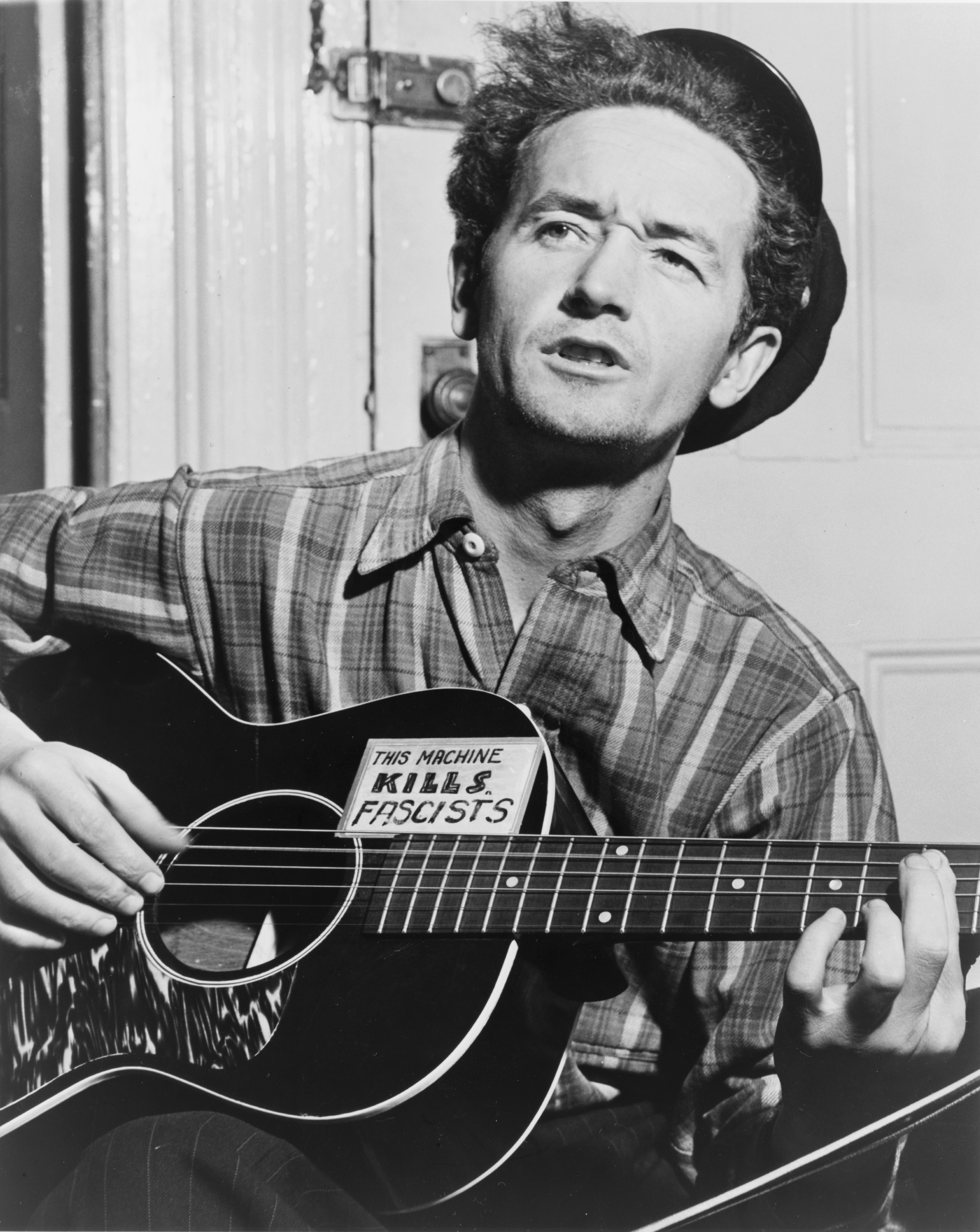
The roots of the Greenwich Village folk scene can be traced back to the post-World War II American folk music revival, which gained momentum in the late 1940s and early 1950s. Precursors like Woody Guthrie and Lead Belly had already laid groundwork with their socially conscious lyrics and traditional American song forms. However, it was the burgeoning coffeehouse culture in Greenwich Village, particularly venues like the Gerde's Folk City (opened in 1960) and The Gaslight Cafe (established in 1958), that provided the physical and spiritual home for this new wave of folk artists. These spaces fostered an environment where musicians could perform regularly, experiment with new material, and engage directly with an audience hungry for authentic expression. The scene was also influenced by the broader Beat Generation's embrace of bohemianism and anti-establishment sentiment, creating a fertile ground for artistic innovation and political activism.
⚙️ How It Worked
The Greenwich Village folk scene operated on a model of intimate performance spaces, often small coffeehouses or bars, where artists could connect directly with audiences. These venues typically featured a 'hootenanny' format, where multiple performers would share a stage, often in a round-robin style, allowing for spontaneous collaborations and the sharing of new songs. The emphasis was on acoustic instrumentation, lyrical content, and vocal delivery, prioritizing the message and emotion of the song over elaborate production. Many artists were self-taught or learned from mentors within the scene, fostering a DIY ethos. The community aspect was paramount, with musicians supporting each other, sharing gigs, and collectively shaping the evolving sound and political consciousness of the movement. Record labels like Vanguard Records and Elektra Records began to take notice, signing artists and distributing their music to a wider audience.
📊 Key Facts & Numbers
The Greenwich Village folk scene reached its zenith between 1958 and 1965, a period that saw an estimated 50-75 active folk musicians performing regularly in the Village. Venues like Gerde's Folk City hosted over 200 performances per week during its peak, showcasing a diverse range of talent. The release of Bob Dylan's self-titled debut album in 1962, though initially met with modest sales, marked a pivotal moment, selling approximately 5,000 copies in its first year. By 1963, Dylan's 'The Freewheelin' Bob Dylan' had sold over 100,000 copies. The Newport Folk Festival, which began in 1959, became a major platform, with its 1965 edition famously featuring Dylan's controversial electric set, signaling a shift in the folk landscape. Over 100 albums were released by artists associated with the scene between 1960 and 1966, many of which achieved significant commercial success and critical acclaim.
👥 Key People & Organizations
Key figures who defined the Greenwich Village folk scene include Bob Dylan, whose poetic lyrics and evolving sound became synonymous with the era's spirit of change. Joan Baez emerged as the 'Queen of Folk,' known for her pure soprano voice and her commitment to social justice. Peter, Paul and Mary (Peter Yarrow, Paul Stookey, and Mary Travers) brought a polished, harmonious sound that achieved massive commercial success. Other vital artists included Phil Ochs, a sharp political satirist; Judy Collins, celebrated for her interpretive skills; Dave Van Ronk, a foundational figure and mentor; and Tom Paxton, known for his witty and poignant songwriting. Organizations like the Greenwich Village Folk Festival and venues like Gerde's Folk City and The Gaslight Cafe were central to the scene's infrastructure and community building.
🌍 Cultural Impact & Influence
The Greenwich Village folk scene had a profound and lasting impact on American culture, music, and politics. It revitalized interest in traditional folk music while simultaneously pioneering the singer-songwriter movement and the genre of protest songs. Artists from the scene became voices for the Civil Rights Movement and the anti-war movement, with songs like Dylan's 'Blowin' in the Wind' and Baez's 'We Shall Overcome' becoming anthems. The scene's influence extended beyond folk, paving the way for the broader counterculture of the 1960s and inspiring subsequent generations of musicians across genres, from Neil Young to Bruce Springsteen. The emphasis on lyrical depth and social commentary became a benchmark for artistic integrity in popular music. The scene also cemented Greenwich Village's reputation as a bohemian and artistic hub.
⚡ Current State & Latest Developments
While the intense creative ferment of the original Greenwich Village folk scene largely subsided by the late 1960s, its spirit endures. Contemporary folk artists and singer-songwriters continue to draw inspiration from the era's emphasis on authenticity and lyrical substance. Venues in Greenwich Village, though fewer in number, still host live music, and organizations like the Greenwich Village Society for Historic Preservation work to maintain the neighborhood's cultural heritage. The legacy is kept alive through ongoing academic study, documentaries, and the continued popularity of the music itself, which remains a staple on folk radio and streaming playlists. The influence can be seen in modern folk festivals and the ongoing tradition of acoustic performance in intimate settings worldwide.
🤔 Controversies & Debates
The Greenwich Village folk scene was not without its controversies and debates. A significant point of contention was the perceived commercialization of folk music, particularly after artists like Bob Dylan began incorporating electric instruments, famously at the 1965 Newport Folk Festival. This move alienated some purists who felt it betrayed the genre's acoustic roots and anti-establishment ethos. There were also debates within the scene about the role of artists in political activism: should they be direct participants or simply commentators? Furthermore, questions arose about cultural appropriation, as many white folk musicians drew heavily from the traditions of African American blues and folk artists, sometimes without adequate acknowledgment or compensation. The scene's predominantly white demographic also led to discussions about inclusivity and representation.
🔮 Future Outlook & Predictions
The future outlook for the spirit of the Greenwich Village folk scene lies in its continued influence on new generations of artists. The core tenets of authentic expression, lyrical depth, and social consciousness remain relevant in an increasingly complex world. We can anticipate a continued resurgence of interest in acoustic music and storytelling, particularly as listeners seek genuine connection and meaningful content. Emerging artists will likely continue to blend folk traditions with contemporary sounds and social commentary, echoing the innovative spirit of the Village. The scene's legacy serves as a perpetual reminder that music can be both a powerful art form and a potent tool for social change, suggesting that the 'folk' impulse will always find new ways to manifest.
💡 Practical Applications
The Greenwich Village folk scene's primary 'application' was as a catalyst for artistic and social change. It provided a model for how music could be a vehicle for political discourse and personal expression, influencing the development of genres like singer-songwriter and protest music. The intimate coffeehouse performance model it popularized has been replicated globally, forming the basis for countless small music venues and open mic nights. The scene also demonstrated the power of a concentrated artistic community in fostering innovation and cultural movements. Furthermore, its emphasis on lyrical storytelling has informed narrative songwriting across various musical styles, impacting how stories are told through song in popular music today.
Key Facts
- Category
- culture
- Type
- topic