
Contents
- 👑 Who Was Gustav Vasa?
- 🏰 The Rise to Power: From Rebel to King
- 🇸🇪 Forging a Nation: Gustav Vasa's Reforms
- 💰 The Vasa Dynasty: Economic and Religious Shifts
- ⚔️ Wars and Diplomacy: Securing Sweden's Borders
- 🤔 Gustav Vasa's Legacy: A Contested Figure
- 📚 Where to Learn More About Gustav Vasa
- 💡 Practical Tips for Understanding Gustav Vasa
- Frequently Asked Questions
- Related Topics
Overview
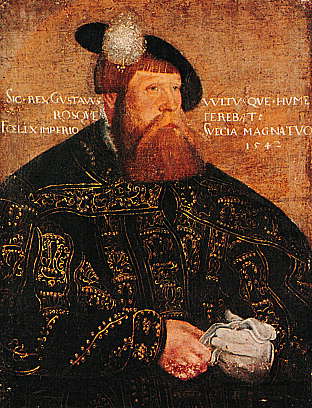
Gustav Vasa, born Gustav Eriksson, is the undisputed father of modern Sweden, a figure whose impact resonates through centuries of Swedish history and identity. He wasn't born into royalty but rose through sheer will and strategic brilliance to become King of Sweden in 1523, ending the Kalmar Union that had subjugated Sweden to Danish rule for over a century. His reign, lasting until his death in 1560, fundamentally reshaped Sweden's political, economic, and religious landscape, laying the groundwork for its future as a significant European power. Understanding Gustav Vasa is key to grasping the very essence of Swedish nationhood and its enduring symbols.
🏰 The Rise to Power: From Rebel to King
Gustav Vasa's ascent was anything but smooth; it was a dramatic saga of rebellion and survival. Initially a young nobleman, he witnessed firsthand the brutal efficiency of Danish King Christian II, who orchestrated the infamous Stockholm Bloodbath in 1520, executing many of Sweden's leading figures, including Gustav's father. Escaping this massacre, Gustav rallied disaffected Swedish peasants and nobles, launching a protracted war of independence. His charisma and military acumen, coupled with widespread discontent against Danish rule, allowed him to defeat the Danish forces and secure his election as king by the Swedish Estates at the Riksdag of Västerås in 1523, a pivotal moment marking the birth of a truly independent Sweden.
🇸🇪 Forging a Nation: Gustav Vasa's Reforms
As king, Gustav Vasa was a relentless architect of state power, driven by a singular vision of a strong, centralized Sweden. He systematically dismantled the power of the old aristocracy and the Catholic Church, consolidating control over land and resources into the hands of the crown. His administrative reforms were groundbreaking, establishing a more efficient bureaucracy and a standing army, reducing reliance on mercenary forces. This period saw the creation of a more unified Swedish identity, forged through royal decree and the suppression of regional autonomies. The king's personal involvement in governance was immense; he was known to personally review petitions and oversee the minutiae of state affairs.
💰 The Vasa Dynasty: Economic and Religious Shifts
The economic and religious transformations under Gustav Vasa were profound and often controversial. He initiated the Swedish Reformation, seizing church lands and wealth to fund the state and break the Catholic Church's influence, establishing Lutheranism as the state religion. This move not only bolstered the crown's finances but also aligned Sweden with the burgeoning Protestant movements across Europe. His economic policies focused on developing trade, particularly in iron and copper, and establishing royal monopolies to maximize state revenue. The Vasa dynasty, which he founded, would rule Sweden for over a century, leaving an indelible mark on the nation's character.
⚔️ Wars and Diplomacy: Securing Sweden's Borders
Securing Sweden's independence was an ongoing struggle, and Gustav Vasa was a shrewd diplomat and a determined military leader. He engaged in numerous conflicts to defend Sweden's borders and assert its influence, most notably against Denmark and Russia. The Dano-Swedish Wars were a recurring challenge, testing Sweden's newfound sovereignty. Vasa understood the importance of strategic alliances and maintained a delicate balance of power with other European nations, often using marriage alliances to strengthen his position. His military reforms, including the establishment of a more organized national army, were crucial in these ongoing defensive campaigns.
🤔 Gustav Vasa's Legacy: A Contested Figure
Gustav Vasa's legacy is a complex tapestry, woven with threads of national liberation, authoritarian rule, and religious upheaval. While celebrated as the founder of modern Sweden and a liberator from foreign domination, he was also a ruthless ruler who crushed opposition and centralized power to an unprecedented degree. His methods were often harsh, and his consolidation of royal authority came at the expense of traditional liberties. Historians debate the extent to which his actions were driven by genuine patriotism versus personal ambition, and the long-term consequences of his religious and economic policies continue to be analyzed. His image remains a potent symbol, both revered and critically examined.
📚 Where to Learn More About Gustav Vasa
To truly grasp the significance of Gustav Vasa, exploring primary and secondary sources is essential. The Vasa Museum in Stockholm offers an unparalleled glimpse into the era, housing the remarkably preserved warship Vasa, sunk on its maiden voyage in 1628. For deeper historical context, delve into scholarly works on the Swedish Reformation and the Kalmar Union. Biographies by historians like Michael Roberts provide detailed accounts of his life and reign. Online archives and digital collections of Swedish historical documents can also offer direct access to the period's records, allowing for a more personal connection to the events and decisions of his time.
💡 Practical Tips for Understanding Gustav Vasa
When studying Gustav Vasa, remember that historical narratives are often shaped by the victors. While he is rightfully hailed as the father of the Swedish nation, it's crucial to acknowledge the authoritarian aspects of his rule and the dissent he suppressed. Consider the economic impact of the Reformation on the common people, not just the crown. When visiting historical sites like Vasa Castle or the Vasa Museum, try to imagine the political climate and the pressures he faced. Understanding the Controversy Spectrum surrounding his reign will provide a more complete and nuanced picture of this pivotal historical figure.
Key Facts
- Year
- 1523
- Origin
- Sweden
- Category
- Historical Figures
- Type
- Person
Frequently Asked Questions
When did Gustav Vasa become King of Sweden?
Gustav Vasa was elected King of Sweden on June 6, 1523, at the Riksdag of Västerås. This date is now celebrated as Sweden's National Day. His coronation took place later that year. This marked the end of the Kalmar Union and the beginning of his reign, which lasted until his death in 1560.
What was Gustav Vasa's role in the Swedish Reformation?
Gustav Vasa was the driving force behind the Swedish Reformation. He used the opportunity presented by the break from the Catholic Church to seize church lands and wealth, bolstering the crown's finances and consolidating royal power. He established Lutheranism as the official religion of Sweden, fundamentally altering the country's religious and cultural landscape.
What is the significance of the Vasa Museum?
The Vasa Museum in Stockholm is world-renowned for housing the Vasa, a 17th-century warship that sank on its maiden voyage in 1628. While not directly related to Gustav Vasa's reign, the ship was built during the era of his sons and represents the naval power and ambition of the Vasa dynasty. The museum provides an exceptional look into maritime history and the era of Vasa rule.
Was Gustav Vasa a popular ruler?
Gustav Vasa's popularity is a complex issue. He was widely celebrated as a national hero and liberator for ending Danish rule and establishing an independent Sweden. However, his authoritarian methods, heavy taxation, and suppression of dissent also led to considerable opposition and several rebellions during his reign. His legacy is thus viewed with a mix of admiration and criticism.
What were Gustav Vasa's major reforms?
Gustav Vasa implemented sweeping reforms across Sweden. These included centralizing state administration, establishing a more efficient bureaucracy, creating a standing army, and initiating the Swedish Reformation to control church wealth and establish Lutheranism. He also focused on economic development, promoting trade and royal monopolies to increase state revenue and power.
Who succeeded Gustav Vasa?
Gustav Vasa was succeeded by his eldest son, Eric XIV of Sweden. His reign was marked by mental instability and conflict with his brothers, John III of Sweden and Charles IX of Sweden. The Vasa dynasty continued to rule Sweden for over a century, with each monarch leaving their own distinct mark on the nation's history.