
Contents
Overview
A habitat is the specific array of resources and biotic factors that support the survival and reproduction of a particular species, encompassing physical factors like soil, moisture, temperature, and light intensity, as well as biotic factors such as food availability and predation. Every species has unique habitat requirements, with some species being generalists that can thrive in a wide range of conditions, while others are specialists that require a very specific set of factors to survive. The concept of habitat is fundamental to ecology, as it determines the distribution and abundance of species in different environments. With the increasing impact of human activities on the environment, understanding and preserving habitats has become a critical aspect of conservation biology. According to the IUCN, habitat loss and degradation are among the main drivers of biodiversity decline. The study of habitats is closely related to the concept of ecological niche, which refers to the specific role and position of a species within its environment. By examining the complex interactions between species and their habitats, scientists can gain insights into the intricate web of relationships that shape the natural world.
🌿 Origins & History
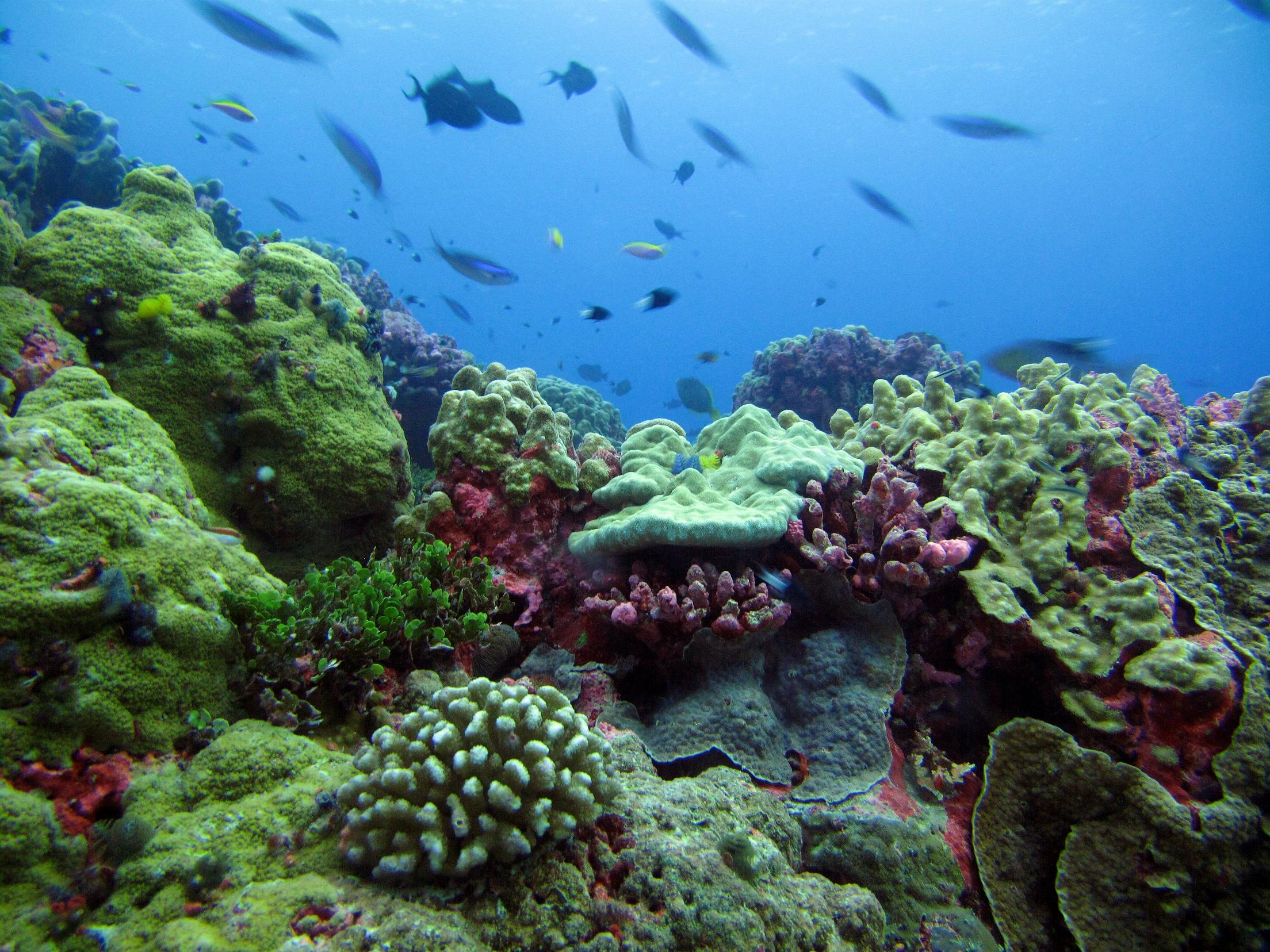
The concept of habitat is a complex system that includes both physical and biotic factors, which interact to create a unique environment that supports the survival and reproduction of a particular species. Physical factors such as soil, moisture, temperature, and light intensity play a critical role in determining the suitability of a habitat for a particular species. For instance, the polar bear is well adapted to the harsh conditions of the arctic habitat, with its white fur and layer of fat providing insulation in the freezing temperatures. Biotic factors, such as the availability of food and the presence or absence of predators, also play a crucial role in shaping the habitat of a species. The coral reef ecosystem, for example, is home to a diverse array of species that have evolved to occupy specific niches, from the parrotfish that feed on algae to the sea turtle that nests on the beach.
⚙️ How It Works
The study of habitats is a key area of research in ecology, with scientists using a range of techniques to study the complex interactions between species and their environments. The IUCN is the global authority on the conservation status of species and their habitats. The World Wildlife Fund works to conserve nature and reduce the most pressing threats to the diversity of life on Earth.
📊 Key Facts & Numbers
Key people and organizations involved in the study and conservation of habitats include the IUCN and the World Wildlife Fund. The IUCN has developed the Red List of threatened species, which provides a comprehensive assessment of the conservation status of species and their habitats.
👥 Key People & Organizations
The cultural impact and influence of habitats can be seen in the many ways that humans interact with and depend on the natural environment. From the indigenous communities that have lived in harmony with their habitats for thousands of years, to the ecotourism industry that supports the conservation of habitats and the livelihoods of local communities, habitats play a critical role in shaping human culture and society.
🌍 Cultural Impact & Influence
The current state of habitats around the world is a major concern, with many ecosystems facing threats such as climate change, deforestation, and pollution.
⚡ Current State & Latest Developments
There are many controversies and debates surrounding the conservation of habitats, including the balance between economic development and environmental protection, and the role of human activity in shaping the natural environment. Some argue that the conservation of habitats is a luxury that we cannot afford, while others argue that it is essential for human well-being and the long-term survival of our planet.
🤔 Controversies & Debates
Looking to the future, it is clear that the conservation of habitats will play a critical role in shaping the health and well-being of our planet. The Global Environment Facility has provided funding for habitat conservation projects around the world.
🔮 Future Outlook & Predictions
The practical applications of habitat conservation can be seen in the many ways that humans interact with and depend on the natural environment. From the ecotourism industry that supports the conservation of habitats and the livelihoods of local communities, to the sustainable agriculture practices that promote the health and biodiversity of ecosystems, habitats play a critical role in shaping human culture and society.
💡 Practical Applications
Related topics and deeper reading on the subject of habitats include the study of ecological niche, which refers to the specific role and position of a species within its environment; the concept of biodiversity, which refers to the variety of different species that exist within an ecosystem; and the study of conservation biology, which is the scientific study of the conservation of species and their habitats.
Key Facts
- Category
- nature
- Type
- concept