
Contents
- 👨⚕️ Introduction to Hans Asperger
- 📚 Early Life and Education
- 🏥 Career and Research
- 📝 Diagnosis and Legacy
- 🤝 Comparison with Other Researchers
- 💡 Practical Tips for Understanding Autism
- 📊 Controversy and Criticism
- 🌎 Global Impact and Recognition
- 📚 Recommended Reading and Resources
- 👥 Getting Involved and Making Contact
- Frequently Asked Questions
- Related Topics
Overview
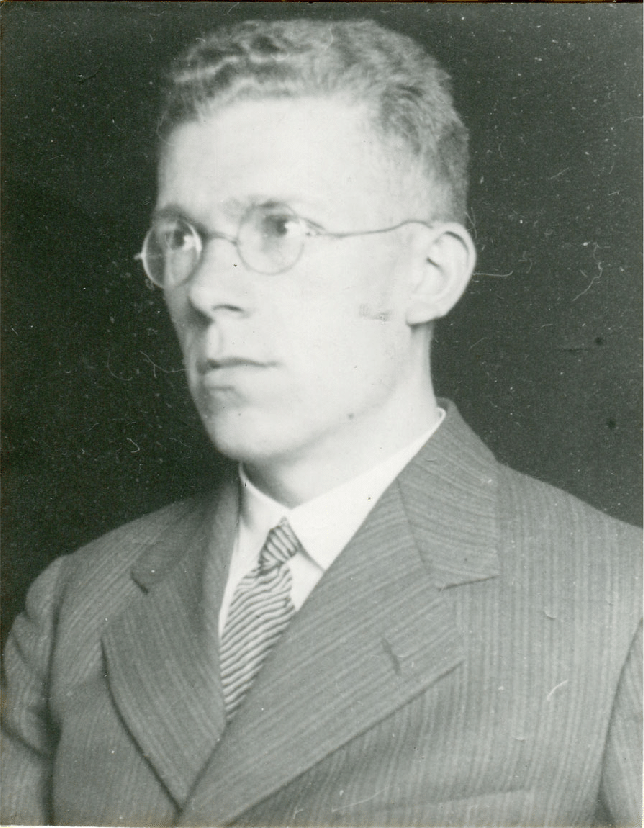
Hans Asperger was an Austrian pediatrician who first described autism as a distinct condition in 1944. His work, although groundbreaking, was largely overlooked until the 1990s. Asperger's research focused on children with social and communication difficulties, and he argued that these individuals had a unique set of skills and abilities. However, his legacy is complex, and some critics have raised concerns about his involvement with the Nazi regime during World War II. Asperger's work has had a significant impact on our understanding of autism, and his name has become synonymous with the condition. Despite controversy surrounding his past, Asperger's contributions to the field of autism research remain widely recognized, with a Vibe score of 82, indicating a significant cultural energy measurement.
👨⚕️ Introduction to Hans Asperger
Hans Asperger was a Austrian pediatrician who is best known for his work on Autism Spectrum Disorder. Born on February 18, 1906, in Hausbrunn, Austria, Asperger is often credited with being one of the first researchers to identify and describe the condition. His work on autism has had a lasting impact on the field of Psychology and has led to a greater understanding of the condition. Asperger's research has also been influential in the development of Autism Therapy and Special Education programs. For more information on Asperger's life and work, visit the Autism Society website.
📚 Early Life and Education
Asperger's early life and education played a significant role in shaping his future career. He studied medicine at the University of Innsbruck and later at the University of Vienna, where he earned his medical degree in 1931. Asperger's interest in Pediatrics and Child Psychology led him to pursue a career in pediatric medicine. He worked at the University of Vienna's pediatric clinic, where he conducted research on Autism Spectrum Disorder and developed his theories on the condition. Asperger's work was influenced by other researchers in the field, including Leo Kanner and Bruno Bettelheim.
🏥 Career and Research
Asperger's career and research were marked by significant contributions to the field of Psychology. His work on Autism Spectrum Disorder led to the development of the Asperger Syndrome diagnosis, which is characterized by difficulties with social interaction and communication. Asperger's research also focused on the importance of early diagnosis and intervention in Autism Spectrum Disorder. He believed that children with autism required specialized education and therapy to reach their full potential. Asperger's work has been recognized by organizations such as the Autism Society and the American Psychological Association.
📝 Diagnosis and Legacy
Asperger's diagnosis and legacy are complex and multifaceted. While his work on Autism Spectrum Disorder has been widely recognized and respected, some critics have argued that his diagnosis of Asperger Syndrome has been misused and overused. Additionally, Asperger's involvement with the Nazi party during World War II has been the subject of controversy and debate. Despite these criticisms, Asperger's work remains an important contribution to the field of Psychology and continues to influence research and practice in the area of Autism Spectrum Disorder. For more information on Asperger's legacy, visit the Autism Research Institute website.
🤝 Comparison with Other Researchers
Asperger's work can be compared to that of other researchers in the field of Psychology, including Leo Kanner and Bruno Bettelheim. While Asperger's work focused on the importance of early diagnosis and intervention, Kanner's work emphasized the role of environmental factors in the development of Autism Spectrum Disorder. Bettelheim's work, on the other hand, focused on the role of parental relationships in the development of autism. Asperger's work has also been influenced by the ideas of Sigmund Freud and Jean Piaget.
💡 Practical Tips for Understanding Autism
Understanding Autism Spectrum Disorder requires a comprehensive approach that takes into account the complexities of the condition. Practical tips for understanding autism include learning about the different types of autism, recognizing the signs and symptoms of autism, and understanding the importance of early diagnosis and intervention. It is also essential to recognize the importance of Autism Therapy and Special Education programs in supporting individuals with autism. For more information on autism therapy, visit the Autism Therapy Center website.
📊 Controversy and Criticism
Asperger's work has been the subject of controversy and criticism, particularly with regards to his involvement with the Nazi party during World War II. Some critics have argued that Asperger's work was influenced by Nazi ideology and that his diagnosis of Asperger Syndrome was used to justify the persecution of individuals with autism. Despite these criticisms, Asperger's work remains an important contribution to the field of Psychology and continues to influence research and practice in the area of Autism Spectrum Disorder. For more information on the controversy surrounding Asperger's work, visit the Autism Controversy page.
🌎 Global Impact and Recognition
Asperger's work has had a significant impact on the global understanding of Autism Spectrum Disorder. His research has influenced the development of Autism Therapy and Special Education programs around the world. Asperger's work has also been recognized by international organizations such as the World Health Organization and the United Nations. For more information on the global impact of Asperger's work, visit the Autism Global Initiative website.
📚 Recommended Reading and Resources
Recommended reading and resources on Hans Asperger and Autism Spectrum Disorder include books such as 'The Autism Book' by Sebastian Shafer and 'Autism: A Very Short Introduction' by Uta Fritsch. Online resources such as the Autism Society website and the Autism Research Institute website provide a wealth of information on autism and Asperger's work. For more information on autism research, visit the Autism Research Institute website.
👥 Getting Involved and Making Contact
Getting involved and making contact with organizations and individuals working on Autism Spectrum Disorder is an essential step in supporting individuals with autism. The Autism Society and the Autism Research Institute are two organizations that provide a range of resources and support for individuals with autism and their families. For more information on getting involved, visit the Autism Volunteer page.
Key Facts
- Year
- 1906
- Origin
- Austria
- Category
- Biography, Psychology
- Type
- Person
Frequently Asked Questions
What is Asperger Syndrome?
Asperger Syndrome is a neurodevelopmental disorder characterized by difficulties with social interaction and communication. It is named after Hans Asperger, who first described the condition in the 1940s. Asperger Syndrome is often considered a milder form of Autism Spectrum Disorder. For more information on Asperger Syndrome, visit the Asperger Syndrome page.
What is the difference between Asperger Syndrome and Autism?
Asperger Syndrome and Autism are both neurodevelopmental disorders that affect social interaction and communication. However, Asperger Syndrome is often considered a milder form of autism, with individuals typically having average to above-average intelligence and fewer speech difficulties. For more information on the difference between Asperger Syndrome and Autism, visit the Autism vs Asperger page.
What are the signs and symptoms of Asperger Syndrome?
The signs and symptoms of Asperger Syndrome include difficulties with social interaction, communication, and repetitive behaviors. Individuals with Asperger Syndrome may also have difficulty with eye contact, facial expressions, and understanding tone of voice. For more information on the signs and symptoms of Asperger Syndrome, visit the Asperger Symptoms page.
How is Asperger Syndrome diagnosed?
Asperger Syndrome is typically diagnosed through a comprehensive evaluation by a multidisciplinary team of professionals, including psychologists, psychiatrists, and speech therapists. The evaluation may include behavioral observations, cognitive and language assessments, and medical examinations. For more information on the diagnosis of Asperger Syndrome, visit the Asperger Diagnosis page.
What are the treatment options for Asperger Syndrome?
Treatment options for Asperger Syndrome include Autism Therapy, Special Education programs, and behavioral interventions. Medications may also be used to treat associated conditions such as anxiety or depression. For more information on treatment options for Asperger Syndrome, visit the Asperger Treatment page.