
Contents
- 🏥 Introduction to Health Information Technology
- 💻 The Role of Electronic Health Records
- 📊 Health Information Exchange and Interoperability
- 🔒 Security and Privacy in Health Information Technology
- 📈 Benefits of Health Information Technology
- 🚨 Challenges and Limitations of Health Information Technology
- 🌎 Global Adoption of Health Information Technology
- 📊 Measuring the Success of Health Information Technology
- 🤝 Collaboration and Partnerships in Health Information Technology
- 🚀 Future Directions in Health Information Technology
- 📚 Education and Training in Health Information Technology
- 👥 The Impact of Health Information Technology on Healthcare Professionals
- Frequently Asked Questions
- Related Topics
Overview
Health information technology (HIT) has revolutionized the way healthcare is delivered, with electronic health records (EHRs) and telemedicine platforms improving patient outcomes and streamlining clinical workflows. According to a report by the Office of the National Coordinator for Health Information Technology (ONC), the adoption of EHRs has increased from 10% in 2008 to over 90% in 2020. However, the industry still grapples with issues of interoperability, data security, and physician burnout, with a study by the American Medical Association (AMA) finding that 50% of physicians experience burnout due to EHR-related administrative burdens. As HIT continues to evolve, emerging trends such as artificial intelligence (AI), blockchain, and the Internet of Medical Things (IoMT) are poised to further transform the healthcare landscape, with companies like Athenahealth and Cerner Corporation leading the charge. With a projected global market size of $390 billion by 2025, HIT is an industry to watch, with key players like Epic Systems and Optum Health shaping the future of healthcare. As the industry moves forward, it will be crucial to address the tensions between technological innovation and human-centered care, with a focus on improving patient outcomes and reducing healthcare costs.
🏥 Introduction to Health Information Technology
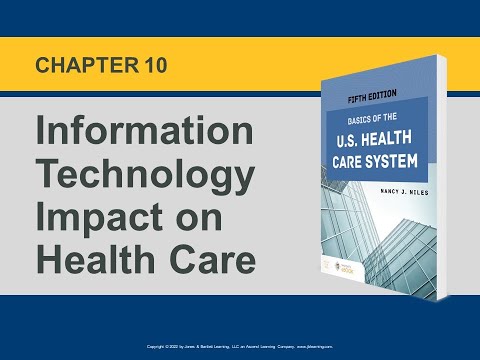
Health information technology (HIT) is a vital component of the healthcare system, enabling the secure exchange of health information between healthcare providers, patients, payers, and quality monitors. The use of electronic health records (EHRs) has been viewed as a key tool for improving the quality, safety, and efficiency of healthcare. According to a 2008 report, the implementation of EHRs at four sites providing ambulatory care – three U.S. medical centers and one in the Netherlands – demonstrated significant promise for enhancing healthcare outcomes. As the healthcare landscape continues to evolve, the importance of HIT will only continue to grow, with health information exchange and interoperability becoming increasingly critical.
💻 The Role of Electronic Health Records
The role of EHRs in health information technology cannot be overstated. EHRs provide a comprehensive and secure repository for patient health information, enabling healthcare providers to access and share critical data. The use of EHRs has been shown to improve the accuracy and completeness of health records, reduce medical errors, and enhance patient engagement. However, the implementation of EHRs also raises important questions about data privacy and security, highlighting the need for robust safeguards to protect sensitive patient information. As the use of EHRs continues to expand, it is essential to address these concerns and ensure that the benefits of EHRs are realized while minimizing potential risks. Health IT professionals play a critical role in this process, working to develop and implement secure and effective EHR systems.
📊 Health Information Exchange and Interoperability
Health information exchange (HIE) and interoperability are essential components of health information technology, enabling the secure and efficient exchange of health information between different healthcare providers and organizations. HIE facilitates the sharing of patient health information, reducing the need for redundant testing and improving the coordination of care. However, HIE also raises important questions about data standardization and interoperability, highlighting the need for common standards and protocols to facilitate the exchange of health information. The development of health information exchange networks has helped to address these challenges, providing a framework for the secure and efficient exchange of health information. EHRs and health IT systems play a critical role in this process, enabling the secure and efficient exchange of health information.
🔒 Security and Privacy in Health Information Technology
Security and privacy are critical concerns in health information technology, as sensitive patient health information is increasingly being stored and transmitted electronically. The use of EHRs and other health IT systems raises important questions about the potential risks of data breaches and cyber attacks. To address these concerns, healthcare organizations must implement robust safeguards, including encryption, firewalls, and access controls. The development of health IT security policies has helped to address these challenges, providing a framework for the secure management of health information. Healthcare providers and patients must also be aware of the potential risks and take steps to protect their health information, including using strong passwords and being cautious when sharing health information online. Health information exchange and interoperability are also critical in ensuring the secure exchange of health information.
📈 Benefits of Health Information Technology
The benefits of health information technology are numerous, ranging from improved patient outcomes to enhanced operational efficiency. The use of EHRs has been shown to improve the accuracy and completeness of health records, reduce medical errors, and enhance patient engagement. Health information technology also enables the secure and efficient exchange of health information, reducing the need for redundant testing and improving the coordination of care. Additionally, health information technology can help to reduce healthcare costs, improving the overall efficiency of the healthcare system. However, the implementation of health information technology also requires significant investment, highlighting the need for careful planning and management. Health IT professionals play a critical role in this process, working to develop and implement effective health information technology systems. Healthcare providers and patients must also be aware of the benefits and limitations of health information technology, including the potential risks and challenges associated with its implementation.
🚨 Challenges and Limitations of Health Information Technology
Despite the many benefits of health information technology, there are also significant challenges and limitations to its implementation. One of the primary challenges is the high upfront cost of implementing health information technology systems, including the cost of EHRs and other health IT infrastructure. Additionally, health information technology requires significant training and support, highlighting the need for ongoing education and training for healthcare professionals. The development of health IT training programs has helped to address these challenges, providing healthcare professionals with the skills and knowledge needed to effectively use health information technology. Healthcare providers and patients must also be aware of the potential risks and challenges associated with health information technology, including the risk of data breaches and cyber attacks. Health information exchange and interoperability are also critical in ensuring the secure exchange of health information.
🌎 Global Adoption of Health Information Technology
The adoption of health information technology is a global phenomenon, with countries around the world investing heavily in the development and implementation of health IT systems. The use of EHRs and other health IT systems has been shown to improve patient outcomes, reduce medical errors, and enhance patient engagement. However, the implementation of health information technology also raises important questions about data privacy and security, highlighting the need for robust safeguards to protect sensitive patient information. The development of health IT security policies has helped to address these challenges, providing a framework for the secure management of health information. Healthcare providers and patients must also be aware of the potential risks and challenges associated with health information technology, including the risk of data breaches and cyber attacks. Health information exchange and interoperability are also critical in ensuring the secure exchange of health information.
📊 Measuring the Success of Health Information Technology
Measuring the success of health information technology is critical, as it enables healthcare organizations to evaluate the effectiveness of their health IT systems and identify areas for improvement. The use of EHRs and other health IT systems has been shown to improve patient outcomes, reduce medical errors, and enhance patient engagement. However, the implementation of health information technology also requires significant investment, highlighting the need for careful planning and management. Health IT professionals play a critical role in this process, working to develop and implement effective health information technology systems. Healthcare providers and patients must also be aware of the benefits and limitations of health information technology, including the potential risks and challenges associated with its implementation. The development of health IT evaluation frameworks has helped to address these challenges, providing a framework for the evaluation of health information technology systems.
🤝 Collaboration and Partnerships in Health Information Technology
Collaboration and partnerships are essential in health information technology, as they enable healthcare organizations to share knowledge, expertise, and resources. The development of health IT partnerships has helped to address the challenges associated with health information technology, providing a framework for the secure and efficient exchange of health information. Healthcare providers and patients must also be aware of the potential benefits and risks of health information technology, including the potential risks of data breaches and cyber attacks. Health information exchange and interoperability are also critical in ensuring the secure exchange of health information. The use of EHRs and other health IT systems has been shown to improve patient outcomes, reduce medical errors, and enhance patient engagement.
🚀 Future Directions in Health Information Technology
The future of health information technology is exciting, with new technologies and innovations emerging all the time. The use of artificial intelligence and machine learning is expected to play a major role in the development of health information technology, enabling the analysis of large datasets and the identification of patterns and trends. The development of health IT innovation centers has helped to address the challenges associated with health information technology, providing a framework for the development and implementation of new health IT systems. Healthcare providers and patients must also be aware of the potential benefits and risks of health information technology, including the potential risks of data breaches and cyber attacks. Health information exchange and interoperability are also critical in ensuring the secure exchange of health information.
📚 Education and Training in Health Information Technology
Education and training are critical in health information technology, as they enable healthcare professionals to develop the skills and knowledge needed to effectively use health IT systems. The development of health IT training programs has helped to address the challenges associated with health information technology, providing healthcare professionals with the skills and knowledge needed to effectively use health information technology. Healthcare providers and patients must also be aware of the potential benefits and risks of health information technology, including the potential risks of data breaches and cyber attacks. Health information exchange and interoperability are also critical in ensuring the secure exchange of health information. The use of EHRs and other health IT systems has been shown to improve patient outcomes, reduce medical errors, and enhance patient engagement.
👥 The Impact of Health Information Technology on Healthcare Professionals
The impact of health information technology on healthcare professionals is significant, as it enables them to access and share critical patient health information. The use of EHRs and other health IT systems has been shown to improve patient outcomes, reduce medical errors, and enhance patient engagement. However, the implementation of health information technology also raises important questions about data privacy and security, highlighting the need for robust safeguards to protect sensitive patient information. Health IT professionals play a critical role in this process, working to develop and implement effective health information technology systems. Healthcare providers and patients must also be aware of the potential benefits and risks of health information technology, including the potential risks of data breaches and cyber attacks.
Key Facts
- Year
- 2022
- Origin
- United States
- Category
- Healthcare Technology
- Type
- Industry
Frequently Asked Questions
What is health information technology?
Health information technology (HIT) is the application of information technology to healthcare, enabling the secure exchange of health information between healthcare providers, patients, payers, and quality monitors. The use of EHRs and other health IT systems has been shown to improve patient outcomes, reduce medical errors, and enhance patient engagement. Health IT professionals play a critical role in this process, working to develop and implement effective health information technology systems. However, the implementation of health information technology also raises important questions about data privacy and security, highlighting the need for robust safeguards to protect sensitive patient information.
What are the benefits of health information technology?
The benefits of health information technology are numerous, ranging from improved patient outcomes to enhanced operational efficiency. The use of EHRs and other health IT systems has been shown to improve the accuracy and completeness of health records, reduce medical errors, and enhance patient engagement. Health information technology also enables the secure and efficient exchange of health information, reducing the need for redundant testing and improving the coordination of care. Additionally, health information technology can help to reduce healthcare costs, improving the overall efficiency of the healthcare system. Healthcare providers and patients must also be aware of the potential benefits and risks of health information technology, including the potential risks of data breaches and cyber attacks.
What are the challenges of implementing health information technology?
The implementation of health information technology is not without its challenges, including the high upfront cost of implementing health IT systems, the need for significant training and support, and the potential risks of data breaches and cyber attacks. Additionally, health information technology requires significant investment, highlighting the need for careful planning and management. Health IT professionals play a critical role in this process, working to develop and implement effective health information technology systems. Healthcare providers and patients must also be aware of the potential benefits and risks of health information technology, including the potential risks of data breaches and cyber attacks.
How can healthcare organizations ensure the security of health information technology systems?
Healthcare organizations can ensure the security of health information technology systems by implementing robust safeguards, including encryption, firewalls, and access controls. The development of health IT security policies has helped to address these challenges, providing a framework for the secure management of health information. Healthcare providers and patients must also be aware of the potential risks and challenges associated with health information technology, including the risk of data breaches and cyber attacks. Health information exchange and interoperability are also critical in ensuring the secure exchange of health information.
What is the future of health information technology?
The future of health information technology is exciting, with new technologies and innovations emerging all the time. The use of artificial intelligence and machine learning is expected to play a major role in the development of health information technology, enabling the analysis of large datasets and the identification of patterns and trends. The development of health IT innovation centers has helped to address the challenges associated with health information technology, providing a framework for the development and implementation of new health IT systems. Healthcare providers and patients must also be aware of the potential benefits and risks of health information technology, including the potential risks of data breaches and cyber attacks.
How can healthcare professionals develop the skills and knowledge needed to effectively use health information technology?
Healthcare professionals can develop the skills and knowledge needed to effectively use health information technology by participating in health IT training programs. The development of health IT training programs has helped to address the challenges associated with health information technology, providing healthcare professionals with the skills and knowledge needed to effectively use health information technology. Healthcare providers and patients must also be aware of the potential benefits and risks of health information technology, including the potential risks of data breaches and cyber attacks. Health information exchange and interoperability are also critical in ensuring the secure exchange of health information.
What is the impact of health information technology on patient outcomes?
The impact of health information technology on patient outcomes is significant, as it enables healthcare providers to access and share critical patient health information. The use of EHRs and other health IT systems has been shown to improve patient outcomes, reduce medical errors, and enhance patient engagement. However, the implementation of health information technology also raises important questions about data privacy and security, highlighting the need for robust safeguards to protect sensitive patient information. Health IT professionals play a critical role in this process, working to develop and implement effective health information technology systems. Healthcare providers and patients must also be aware of the potential benefits and risks of health information technology, including the potential risks of data breaches and cyber attacks.