
Contents
Overview
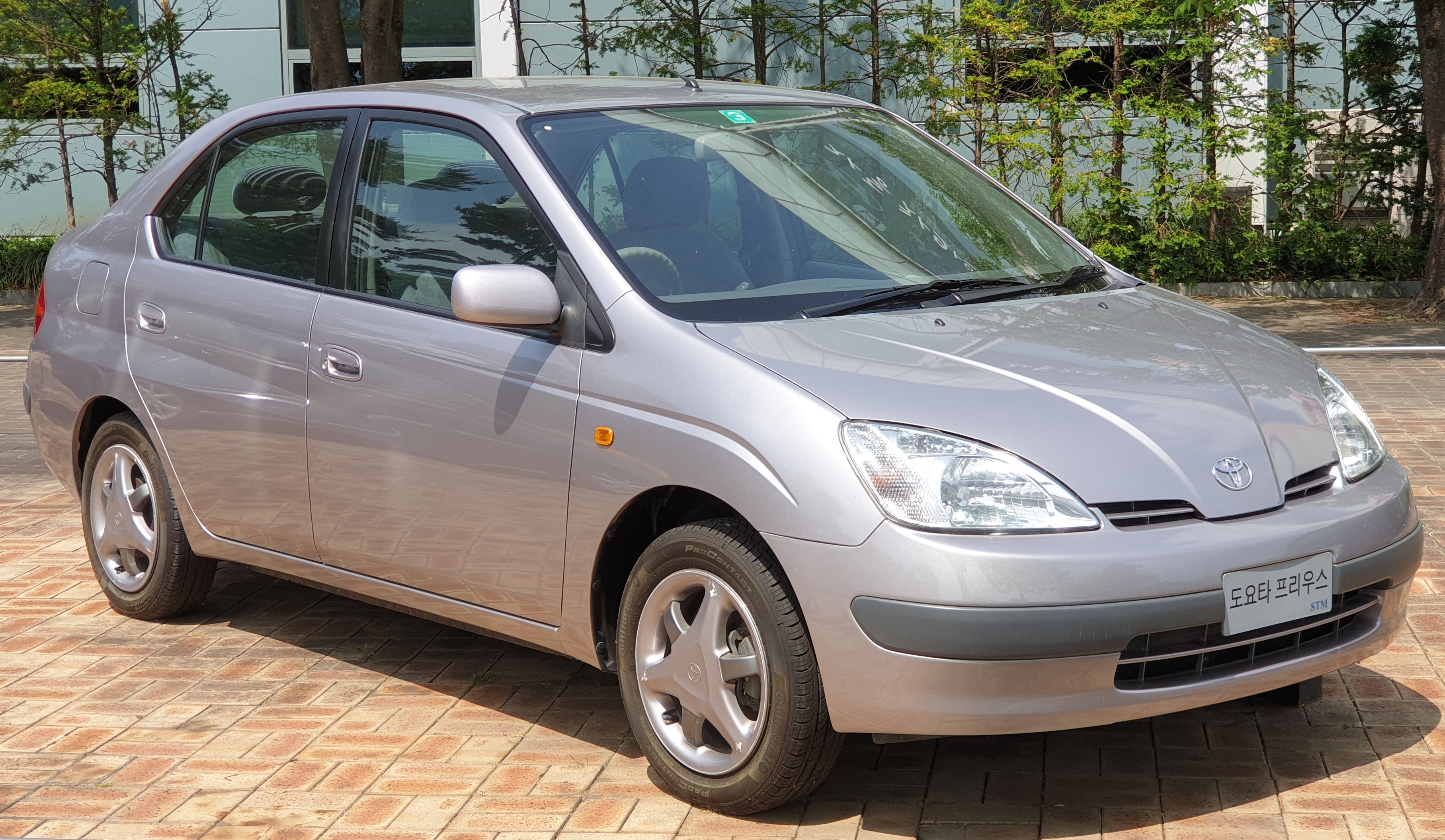
Hybrid cars represent a pivotal evolution in automotive engineering, seamlessly integrating internal combustion engines with electric powertrains to achieve superior fuel efficiency and reduced emissions. This dual-propulsion system allows vehicles to leverage the strengths of both power sources: the electric motor excels at low-speed torque and regenerative braking, while the gasoline engine provides sustained power for higher speeds and longer ranges. First conceptualized in the late 19th century, the modern hybrid vehicle gained significant traction with the introduction of the Toyota Prius in 1997, which became a global phenomenon and a benchmark for the industry. Today, hybrid technology underpins a vast array of vehicles, from compact sedans to robust SUVs, and continues to be a crucial stepping stone towards full electrification. The market for hybrids is substantial, with millions sold annually worldwide, reflecting consumer demand for eco-friendlier and cost-effective transportation solutions.
🎵 Origins & History
The concept of a hybrid vehicle predates the automobile itself, with early experiments in the late 1800s by figures like Ferdinand Porsche exploring electric-gasoline combinations. The system's control unit continuously optimizes power delivery for efficiency, often shutting off the gasoline engine at low speeds or when coasting, relying solely on electric power. During acceleration, the electric motor provides an instant torque boost, reducing the strain on the ICE. Crucially, hybrid vehicles employ regenerative braking, where the electric motor acts as a generator during deceleration, capturing kinetic energy that would otherwise be lost as heat and storing it back in the battery. This intricate interplay, managed by sophisticated powertrain control modules, is key to their enhanced fuel economy.
⚙️ How It Works
At its heart, a hybrid car operates by intelligently managing two distinct power sources: an internal combustion engine (ICE) and one or more electric motors powered by a battery pack. In a typical parallel hybrid system, like that found in most Toyota Prius models, both the engine and motor can propel the vehicle independently or together. The system's control unit continuously optimizes power delivery for efficiency, often shutting off the gasoline engine at low speeds or when coasting, relying solely on electric power. During acceleration, the electric motor provides an instant torque boost, reducing the strain on the ICE. Crucially, hybrid vehicles employ regenerative braking, where the electric motor acts as a generator during deceleration, capturing kinetic energy that would otherwise be lost as heat and storing it back in the battery. This intricate interplay, managed by sophisticated powertrain control modules, is key to their enhanced fuel economy.
📊 Key Facts & Numbers
The global hybrid vehicle market is a significant segment of the automotive industry, with sales figures consistently in the millions annually. The average fuel economy for hybrid vehicles typically ranges from 40 to 60 miles per gallon (MPG), a figure significantly higher than comparable gasoline-only vehicles, which often average between 25 and 35 MPG. The cost premium for a hybrid model over its gasoline counterpart can range from $2,000 to $5,000, a difference often recouped through fuel savings over the vehicle's lifespan.
👥 Key People & Organizations
Several key figures and organizations have been instrumental in the development and popularization of hybrid cars. Ferdinand Porsche's early 20th-century work on hybrid drivetrains laid foundational concepts. Major automotive manufacturers like Toyota, Honda, Ford, Hyundai, and GM have invested billions in hybrid technology research and development, establishing dedicated divisions and R&D centers. The Environmental Protection Agency (EPA) plays a crucial role in setting emissions standards and providing fuel economy ratings that influence consumer choices and drive further innovation in the hybrid sector.
🌍 Cultural Impact & Influence
Hybrid cars have profoundly influenced automotive culture and consumer perception of environmental responsibility. The success of hybrids has also spurred innovation in battery technology, electric motor efficiency, and control systems, advancements that benefit the entire automotive industry. Furthermore, the widespread availability of hybrid options has pressured traditional automakers to accelerate their own electrification strategies, leading to a more competitive and environmentally focused automotive landscape.
⚡ Current State & Latest Developments
The hybrid car market is currently experiencing robust growth, driven by increasing environmental awareness, fluctuating fuel prices, and government incentives. The distinction between traditional hybrids and plug-in hybrid electric vehicles (PHEVs) is also becoming more pronounced, with PHEVs offering extended electric-only driving ranges, appealing to consumers seeking a bridge to full EVs. The ongoing development of solid-state batteries and more efficient electric motors promises further improvements in performance and cost-effectiveness for future hybrid models.
🤔 Controversies & Debates
The debate surrounding hybrid cars often centers on their true environmental impact and their role in the transition to full EVs. Critics argue that while hybrids are more efficient than conventional gasoline cars, they still rely on fossil fuels and produce tailpipe emissions, unlike zero-emission EVs. The manufacturing process for hybrid batteries also raises environmental concerns regarding resource extraction and disposal. Proponents, however, emphasize that hybrids offer a more immediate and accessible solution for reducing emissions and fuel consumption for a broader segment of the population, especially in regions where charging infrastructure for EVs is still developing. The controversy also extends to the 'hybrid' label itself, with some arguing that the term can be misleading, and that the focus should be solely on fully electric solutions.
🔮 Future Outlook & Predictions
The future of hybrid cars is intrinsically linked to the broader electrification trend. While EVs are poised to become the dominant powertrain in the long term, hybrids are expected to remain a significant part of the automotive market for at least the next decade, particularly in the form of plug-in hybrid electric vehicles (PHEVs). Manufacturers are investing in advanced hybrid systems that offer longer electric-only ranges and improved efficiency, effectively bridging the gap between traditional internal combustion engines and fully electric powertrains. Some futurists predict that hybrid technology will continue to evolve, potentially integrating with other energy sources or becoming more specialized for specific applications, such as heavy-duty vehicles or performance cars. The ultimate trajectory will depend on the pace of EV battery technology advancements, charging infrastructure development, and evolving government regulations worldwide.
💡 Practical Applications
Hybrid cars find practical application across a wide spectrum of automotive needs, offering a balance of efficiency and convenience. They are widely used as daily commuters, providing significant fuel savings for individuals and families. Fleet operators also benef
Key Facts
- Category
- technology
- Type
- topic