
Contents
- 🎙️ Origins & History
- 💼 How It Works
- 📊 Key Facts & Numbers
- 👥 Key People & Organizations
- 📺 Cultural Impact & Influence
- 📰 Current State & Latest Developments
- 🤔 Controversies & Debates
- 🔮 Future Outlook & Predictions
- 💡 Practical Applications
- 📚 Related Topics & Deeper Reading
- Frequently Asked Questions
- References
- Related Topics
Overview
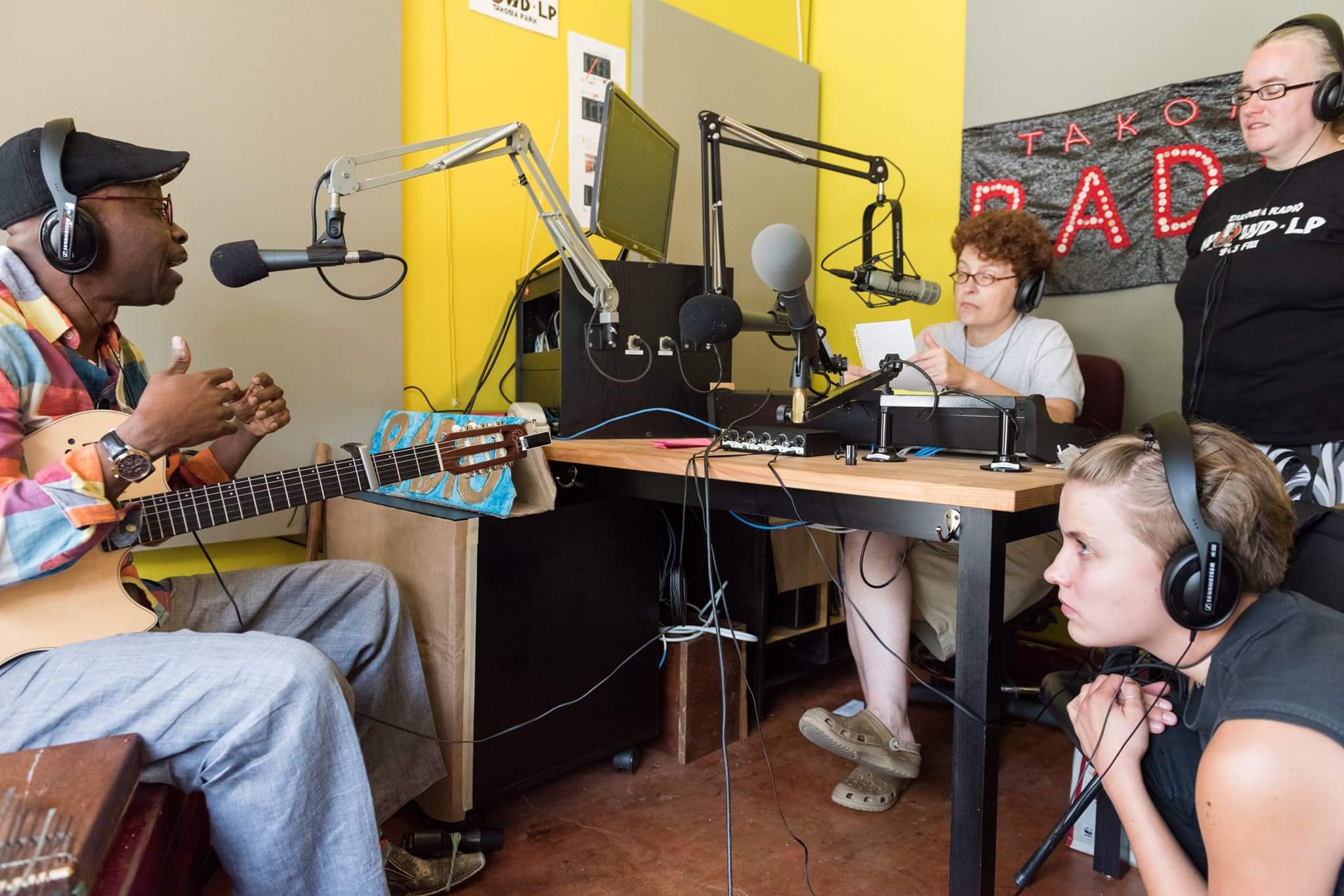
An interview is a form of journalism and a structured conversation where one participant asks questions, and the other provides answers, often used in various contexts such as job recruitment, journalism, research, and entertainment. The process involves a dynamic exchange of information between the interviewer and the interviewee, with the goal of gathering insights, perspectives, or facts. Interviews can take place face-to-face, over the phone, or through videoconferencing, and may involve a one-on-one conversation or a group discussion. With the rise of digital media, interviews have become increasingly popular, with platforms like YouTube and Podcast hosting a wide range of interviews with experts, celebrities, and thought leaders. According to a study by Pew Research Center, 72% of adults in the United States have watched or listened to an interview in the past month, highlighting the significance of interviews in modern communication. As noted by Neil deGrasse Tyson, interviews have the power to educate, inspire, and challenge our assumptions, making them an essential tool for knowledge sharing and cultural exchange.
🎙️ Origins & History
The concept of interviews dates back to ancient civilizations, where leaders and philosophers would engage in discussions to share knowledge and ideas. The modern interview, however, emerged in the 19th century, with the rise of journalism and the need for reporters to gather information from sources. As noted by Nick Kristof, a Pulitzer Prize-winning journalist, the art of interviewing is a crucial skill for journalists, requiring a combination of preparation, active listening, and critical thinking. Today, interviews are used in various contexts, including job recruitment, research, and entertainment, with platforms like Twitter and Instagram providing new opportunities for interviews and conversations.
💼 How It Works
The interview process typically involves a structured conversation between two or more parties, with the interviewer asking questions and the interviewee providing answers. The conversation may be formal or informal, depending on the context and purpose of the interview. In a job interview, for example, the conversation may be more formal, with the interviewer asking questions to assess the candidate's qualifications and fit for the role. In a journalistic interview, the conversation may be more informal, with the interviewer seeking to gather information and insights from the interviewee. As explained by Sarah Kendzior, a journalist and author, the key to a successful interview is to create a safe and respectful space for the conversation to take place.
📊 Key Facts & Numbers
According to a survey by Glassdoor, the average job interview lasts around 40 minutes, with the interviewer asking an average of 10 questions. In a journalistic interview, the conversation may be longer, with the interviewer seeking to gather more in-depth information and insights. The use of interviews in research has also increased, with studies showing that interviews can provide rich and nuanced data, particularly in the social sciences. As noted by Dan Ariely, a behavioral economist, interviews can provide valuable insights into human behavior and decision-making.
👥 Key People & Organizations
Key people and organizations involved in interviews include journalists, researchers, and human resources professionals. Journalists like Glenn Greenwald and Sarah Kendzior have used interviews to break major stories and expose injustices. Researchers like Dan Ariely and Steven Pinker have used interviews to gather data and insights for their studies. Human resources professionals like Laszlo Bock and Ramit Sethi have used interviews to assess candidates and provide career advice. As explained by Tim Ferriss, a entrepreneur and author, the art of interviewing is a crucial skill for anyone looking to succeed in their career.
📺 Cultural Impact & Influence
Interviews have had a significant cultural impact, with many interviews becoming iconic and influential. The TED Talks series, for example, has featured interviews with thought leaders and experts, providing insights and inspiration to millions of viewers. The How I Built This podcast, hosted by Guy Raz, has featured interviews with entrepreneurs and innovators, providing a unique perspective on the world of business and technology. As noted by Arianna Huffington, the founder of HuffPost, interviews have the power to educate, inspire, and challenge our assumptions, making them an essential tool for cultural exchange and knowledge sharing.
📰 Current State & Latest Developments
The current state of interviews is rapidly evolving, with the rise of digital media and new technologies. Platforms like Zoom and Skype have made it easier to conduct remote interviews, while social media platforms like Twitter and Instagram have provided new opportunities for interviews and conversations. According to a study by Deloitte, 70% of companies are now using video interviews as part of their recruitment process, highlighting the growing importance of digital interviews in the modern workplace. As explained by Gary Vaynerchuk, a marketing expert, the key to success in the digital age is to be authentic, transparent, and engaging, making interviews a crucial tool for building relationships and establishing trust.
🤔 Controversies & Debates
Controversies and debates surrounding interviews include issues of bias, power dynamics, and the impact of technology on the interview process. Some critics argue that interviews can be biased, with the interviewer's questions and tone influencing the interviewee's responses. Others argue that the rise of digital media has made it easier for interviewers to manipulate and edit interviews, potentially distorting the truth. As noted by Glenn Greenwald, a journalist and author, the key to a fair and balanced interview is to create a safe and respectful space for the conversation to take place, while also being transparent and honest about the interview process.
🔮 Future Outlook & Predictions
The future of interviews is likely to be shaped by technological advancements, including the use of artificial intelligence and machine learning. According to a study by Gartner, 85% of companies are now using AI-powered tools to analyze and improve their interview processes, highlighting the growing importance of technology in the modern workplace. As explained by Andrew Ng, a AI expert, the key to success in the future of interviews is to be open to new technologies and innovations, while also being mindful of the potential risks and challenges.
💡 Practical Applications
Practical applications of interviews include job recruitment, research, and entertainment. In job recruitment, interviews are used to assess candidates and determine their fit for a role. In research, interviews are used to gather data and insights, particularly in the social sciences. In entertainment, interviews are used to provide insights and behind-the-scenes information, particularly in the film and music industries. As noted by Quentin Tarantino, a film director, the art of interviewing is a crucial skill for anyone looking to succeed in the entertainment industry.
Key Facts
- Year
- 2022
- Origin
- Ancient civilizations
- Category
- culture
- Type
- concept
Frequently Asked Questions
What is the purpose of an interview?
The purpose of an interview is to gather information, assess a candidate's qualifications, or provide insights and entertainment. According to Laszlo Bock, a human resources expert, the key to a successful interview is to create a safe and respectful space for the conversation to take place. As noted by Gary Vaynerchuk, a marketing expert, the purpose of an interview is to build relationships and establish trust.
What are the different types of interviews?
There are several types of interviews, including job interviews, journalistic interviews, and research interviews. Each type of interview has its own unique characteristics and purposes. As explained by Neil deGrasse Tyson, a scientist and author, the key to a successful interview is to be prepared, engaged, and respectful. According to Ramit Sethi, a entrepreneur and author, the different types of interviews require different skills and strategies.
How can I prepare for an interview?
To prepare for an interview, research the company or organization, practice your responses to common interview questions, and prepare any materials you may need, such as a resume or portfolio. As noted by Tim Ferriss, a entrepreneur and author, the key to success in an interview is to be authentic, transparent, and engaging. According to Arianna Huffington, a journalist and author, preparation is key to a successful interview.
What are some common interview questions?
Common interview questions include 'What are your strengths and weaknesses?', 'Why do you want to work for this company?', and 'Where do you see yourself in five years?'. As explained by Simon Sinek, a author and speaker, the key to answering interview questions is to be honest, authentic, and passionate. According to Andrew Ng, a AI expert, the use of AI-powered tools can help analyze and improve the interview process.
How can I improve my interview skills?
To improve your interview skills, practice active listening, prepare thoughtful questions to ask the interviewer, and focus on building a rapport with the interviewer. As noted by Glenn Greenwald, a journalist and author, the key to a successful interview is to create a safe and respectful space for the conversation to take place. According to Steven Pinker, a scientist and author, the key to improving interview skills is to be open to feedback and willing to learn.
What is the future of interviews?
The future of interviews is likely to be shaped by technological advancements, including the use of artificial intelligence and machine learning. As explained by Gary Vaynerchuk, a marketing expert, the key to success in the future of interviews is to be open to new technologies and innovations. According to Neil deGrasse Tyson, a scientist and author, the future of interviews will be shaped by the increasing use of digital media and new technologies.
How can I use interviews in my research?
Interviews can be a valuable tool in research, providing rich and nuanced data, particularly in the social sciences. As noted by Dan Ariely, a behavioral economist, the key to using interviews in research is to be prepared, engaged, and respectful. According to Ramit Sethi, a entrepreneur and author, the use of interviews in research can provide valuable insights and perspectives.
What are some common interview mistakes?
Common interview mistakes include lack of preparation, poor body language, and failure to ask thoughtful questions. As explained by Simon Sinek, a author and speaker, the key to avoiding interview mistakes is to be honest, authentic, and passionate. According to Andrew Ng, a AI expert, the use of AI-powered tools can help analyze and improve the interview process.
How can I use interviews in my career?
Interviews can be a valuable tool in your career, providing opportunities to build relationships, establish trust, and gather insights and information. As noted by Tim Ferriss, a entrepreneur and author, the key to using interviews in your career is to be authentic, transparent, and engaging. According to Arianna Huffington, a journalist and author, the use of interviews in your career can provide valuable insights and perspectives.
What are some tips for conducting a successful interview?
Tips for conducting a successful interview include being prepared, engaged, and respectful, as well as creating a safe and comfortable space for the conversation to take place. As explained by Glenn Greenwald, a journalist and author, the key to a successful interview is to create a safe and respectful space for the conversation to take place. According to Steven Pinker, a scientist and author, the key to conducting a successful interview is to be open to feedback and willing to learn.