
Contents
- 🏔️ Introduction to Judaea
- 📚 Historical Background
- 🏞️ Geography and Climate
- 🏛️ The Hasmonean and Herodian Periods
- 👑 Roman Rule and the Renaming of Judaea
- 💔 The Bar Kokhba Revolt and Its Aftermath
- 🕊️ The Significance of Jerusalem
- 🌎 Judaea in the Modern Era
- 📊 Demographics and Economy
- 🤝 Cultural Heritage and Tourism
- 📚 Archaeological Discoveries and Research
- Frequently Asked Questions
- Related Topics
Overview
Judaea, a mountainous region in the Levant, has a rich history dating back to the Babylonian Empire period. The name Judaea is derived from the Hebrew name Yehudah, and was used during the Persian Empire, Hellenistic period, and Roman Empire periods. Traditionally dominated by the city of Jerusalem, Judaea is now part of Israel and the West Bank. The region's history is complex, with various empires and dynasties vying for control, including the Hasmonean dynasty and the Herodian dynasty.
📚 Historical Background
The historical background of Judaea is marked by periods of conquest and occupation. The region was first inhabited by the Jews during the Iron Age, and later came under the control of the Assyrian Empire and the Babylonian Empire. The Persian Empire later conquered the region, and it was during this period that the name Judaea was first used. The Hellenistic period saw the rise of the Hasmonean dynasty, which played a significant role in shaping the region's history. The Roman Empire later conquered Judaea, and it was during this period that the region was renamed Syria Palaestina.
🏞️ Geography and Climate
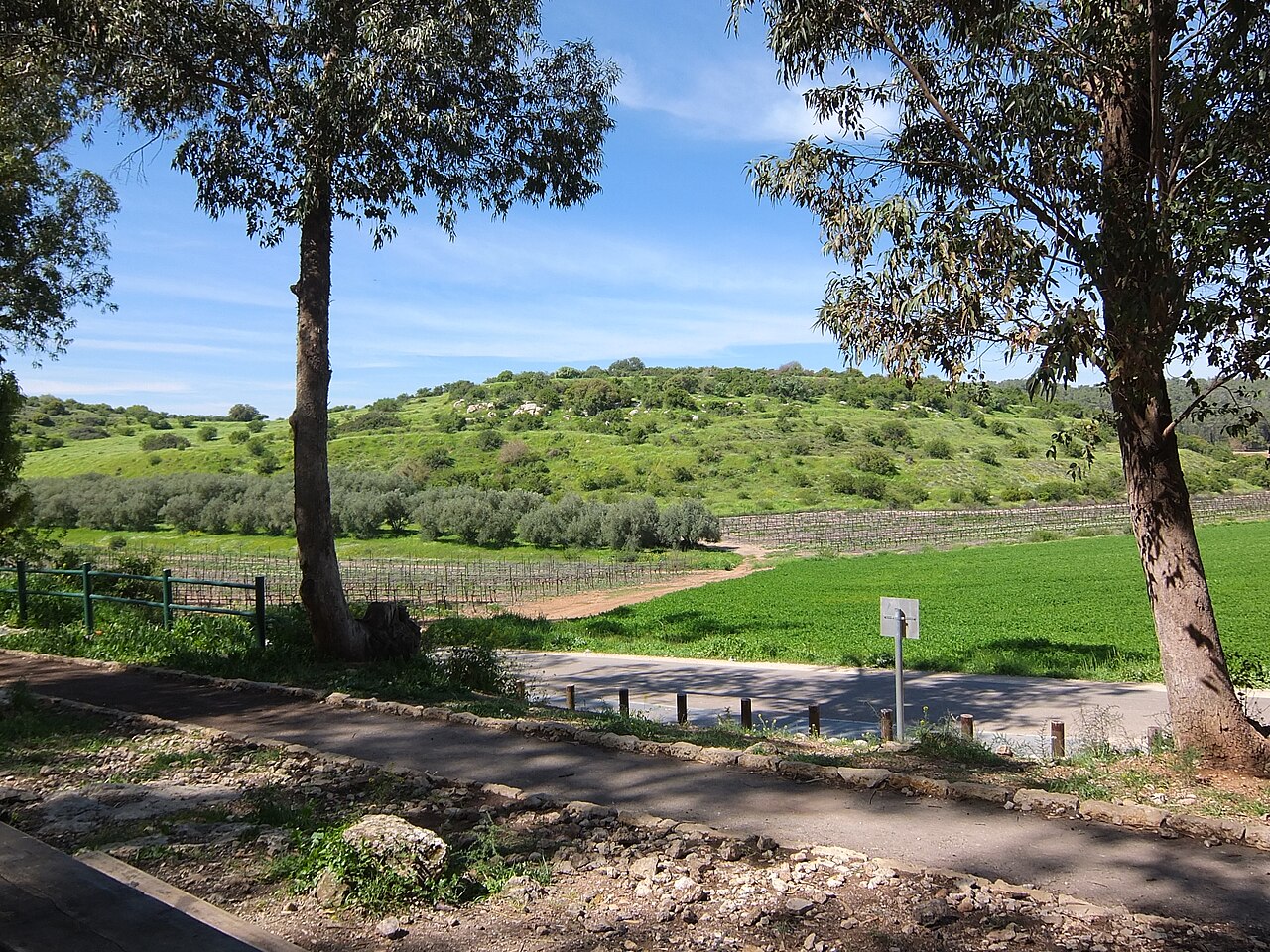
The geography and climate of Judaea are characterized by mountains and hills. The region is bounded by the Jordan River to the east and the Mediterranean Sea to the west. The climate is Mediterranean, with hot summers and mild winters. The region's geography has played a significant role in shaping its history, with the mountains and hills providing a natural barrier against invaders. The city of Jerusalem is situated in the heart of Judaea, and has been an important center of trade and commerce throughout history. The region is also home to several important archaeological sites, including Masada and Qumran.
🏛️ The Hasmonean and Herodian Periods
The Hasmonean and Herodian periods were marked by significant developments in Judaea. The Hasmonean dynasty was a Jewish dynasty that ruled Judaea from the 2nd century BCE to the 1st century BCE. The dynasty was founded by Mattathias, a Jewish priest who led a rebellion against the Seleucid Empire. The Hasmoneans played a significant role in shaping the region's history, and their legacy can still be seen in the many archaeological sites and artifacts that remain. The Herodian dynasty later ruled Judaea, and it was during this period that the region was heavily influenced by Roman architecture and culture.
👑 Roman Rule and the Renaming of Judaea
The Roman rule and the renaming of Judaea were significant events in the region's history. The Roman Empire conquered Judaea in the 1st century BCE, and it was during this period that the region was renamed Syria Palaestina. The renaming of Judaea was a result of the Bar Kokhba revolt, a Jewish rebellion against the Roman Empire. The revolt was led by Bar Kokhba, a Jewish leader who claimed to be the Messiah. The revolt was ultimately crushed by the Romans, and the region was renamed Syria Palaestina in an attempt to erase the Jewish identity of the region.
💔 The Bar Kokhba Revolt and Its Aftermath
The Bar Kokhba revolt and its aftermath were significant events in Judaea's history. The revolt was a major uprising against the Roman Empire, and it was led by Bar Kokhba, a Jewish leader who claimed to be the Messiah. The revolt was ultimately crushed by the Romans, and the region was renamed Syria Palaestina. The aftermath of the revolt saw a significant decline in the Jewish population of Judaea, as many Jews were killed or forced to flee the region. The revolt also marked the end of the Jewish independence in Judaea, and the region was thereafter ruled by the Romans.
🕊️ The Significance of Jerusalem
The significance of Jerusalem in Judaea cannot be overstated. The city has been an important center of trade and commerce throughout history, and it is considered holy by the Jews, Christians, and Muslims. The city is home to several important archaeological sites, including the Western Wall and the Dome of the Rock. The city's significance extends beyond its historical and cultural importance, as it is also a major tourist destination. The city is a symbol of the region's rich history and cultural heritage, and it continues to play an important role in the region's politics and economy.
🌎 Judaea in the Modern Era
Judaea in the modern era is a complex and contested region. The region is now part of Israel and the West Bank, and it is home to a diverse population of Jews, Muslims, and Christians. The region's history and cultural heritage are still celebrated and contested, with many archaeological sites and artifacts remaining. The region is also an important center of trade and commerce, with several major industries, including technology and tourism. The region's future is uncertain, with ongoing conflicts and tensions between Israel and the Palestinians.
📊 Demographics and Economy
The demographics and economy of Judaea are complex and diverse. The region is home to a population of over 2 million people, with a mix of Jews, Muslims, and Christians. The region's economy is driven by several major industries, including technology, tourism, and agriculture. The region is also home to several important archaeological sites and artifacts, which attract millions of tourists each year. The region's demographics and economy are closely tied to its history and cultural heritage, and the region continues to be an important center of trade and commerce.
🤝 Cultural Heritage and Tourism
The cultural heritage and tourism in Judaea are significant aspects of the region's economy and identity. The region is home to several important archaeological sites and artifacts, including Masada and Qumran. The region is also home to several important cultural institutions, including the Israel Museum and the Yad Vashem Holocaust memorial. The region's cultural heritage is celebrated and contested, with many different groups and communities claiming a connection to the region. The region's tourism industry is driven by its rich history and cultural heritage, with millions of tourists visiting the region each year.
📚 Archaeological Discoveries and Research
The archaeological discoveries and research in Judaea have shed significant light on the region's history and cultural heritage. The region is home to several important archaeological sites, including Masada and Qumran. The discovery of the Dead Sea Scrolls in Qumran was a significant archaeological find, and it has provided important insights into the region's history and culture. The region's archaeological sites and artifacts are a testament to its rich history and cultural heritage, and they continue to be an important part of the region's identity and economy.
Key Facts
- Category
- topic
- Type
- topic
Frequently Asked Questions
What is the origin of the name Judaea?
The name Judaea is derived from the Hebrew name Yehudah, and was used during the Babylonian, Persian, Hellenistic, and Roman periods. The name was first used during the Persian Empire period, and it was later adopted by the Hasmonean and Herodian dynasties. The name Judaea is still used today to refer to the region, which is now part of Israel and the West Bank. The region's history and cultural heritage are closely tied to its name, and the name continues to be an important part of the region's identity.
What was the significance of the Bar Kokhba revolt?
The Bar Kokhba revolt was a significant event in Judaea's history, as it marked a major uprising against the Roman Empire. The revolt was led by Bar Kokhba, a Jewish leader who claimed to be the Messiah. The revolt was ultimately crushed by the Romans, and the region was renamed Syria Palaestina in an attempt to erase the Jewish identity of the region. The revolt had a significant impact on the region's history and cultural heritage, and it continues to be celebrated and commemorated by Jews around the world.
What is the current status of Judaea?
Judaea is now part of Israel and the West Bank, and it is home to a diverse population of Jews, Muslims, and Christians. The region's history and cultural heritage are still celebrated and contested, with many archaeological sites and artifacts remaining. The region is also an important center of trade and commerce, with several major industries, including technology and tourism. The region's future is uncertain, with ongoing conflicts and tensions between Israel and the Palestinians.
What are some of the most important archaeological sites in Judaea?
Some of the most important archaeological sites in Judaea include Masada, Qumran, and the Western Wall. These sites are significant because they provide important insights into the region's history and culture. Masada, for example, was the site of a major siege by the Roman Empire, and it is now a popular tourist destination. Qumran is the site where the Dead Sea Scrolls were discovered, and it is considered one of the most important archaeological discoveries of the 20th century.
What is the significance of Jerusalem in Judaea?
Jerusalem is a significant city in Judaea, as it is considered holy by Jews, Christians, and Muslims. The city is home to several important archaeological sites, including the Western Wall and the Dome of the Rock. The city's significance extends beyond its historical and cultural importance, as it is also a major tourist destination. The city is a symbol of the region's rich history and cultural heritage, and it continues to play an important role in the region's politics and economy.
How has the region's history and cultural heritage been preserved?
The region's history and cultural heritage have been preserved through a variety of means, including archaeological sites, museums, and cultural institutions. The Israel Museum, for example, is one of the largest and most important museums in the region, and it is home to a vast collection of artifacts and exhibits. The Yad Vashem Holocaust memorial is another important institution, as it provides a powerful reminder of the region's history and the importance of preserving its cultural heritage.
What are some of the challenges facing Judaea today?
Judaea faces several challenges today, including ongoing conflicts and tensions between Israel and the Palestinians. The region's history and cultural heritage are also contested, with many different groups and communities claiming a connection to the region. The region's economy is also a challenge, as it is heavily dependent on tourism and technology. Despite these challenges, the region remains an important center of trade and commerce, and its rich history and cultural heritage continue to be celebrated and preserved.