
Contents
Overview
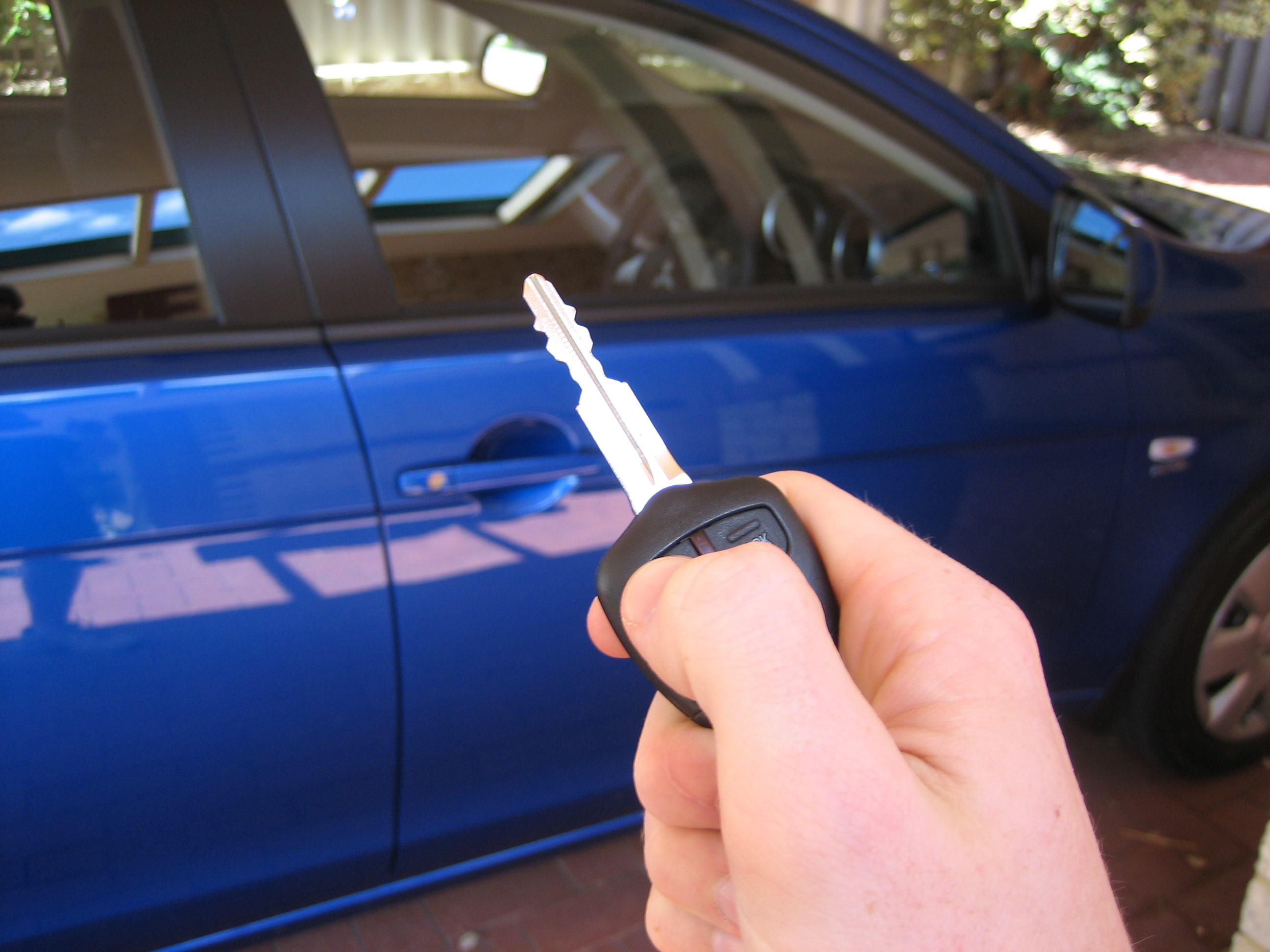
Keyless entry systems represent a significant leap in access control, moving beyond traditional mechanical keys to electronic authentication. Primarily known for their widespread adoption in automobiles, these systems allow users to lock, unlock, and sometimes even start vehicles or open doors without physical key insertion. They operate using radio frequency (RF) signals transmitted between a handheld fob or a smart device and a receiver unit. The technology has evolved from simple remote keyless entry (RKE) systems, which require a button press, to passive keyless entry (PKE) systems that authenticate proximity automatically. While offering unparalleled convenience, keyless entry systems also introduce new security considerations, including potential vulnerabilities to signal interception and relay attacks, sparking ongoing innovation in encryption and authentication methods.
🎵 Origins & History
The genesis of keyless entry systems can be traced back to the mid-20th century with early experiments in remote control technology. The genesis of keyless entry systems can be traced back to the mid-20th century with early experiments in remote control technology.
⚙️ How It Works
At its core, a keyless entry system relies on radio frequency (RF) communication. A small, battery-powered transmitter, often integrated into a key fob or smartphone app, emits a unique, encrypted signal when a button is pressed or when it detects proximity to the receiver. This signal is picked up by an antenna within the vehicle or building. The receiver decodes the signal, verifies its authenticity against pre-programmed codes, and then sends commands to actuators that lock or unlock doors, open trunks, or even start the engine. Passive keyless entry (PKE) systems employ low-frequency antennas to constantly scan for the fob's presence, allowing for touchless operation as long as the fob is within a few feet.
📊 Key Facts & Numbers
The global keyless entry market is substantial. The average cost for a replacement key fob can range from $50 to $300, depending on the vehicle's make and model and the complexity of its integrated functions.
👥 Key People & Organizations
Key figures in the development of keyless entry include Simon Lockwood, credited with developing one of the first practical RKE systems for Peugeot. Major automotive manufacturers like General Motors, Toyota, Volkswagen Group, and BMW have been instrumental in popularizing and refining these systems. Technology providers such as Continental AG, Robert Bosch GmbH, and Nidec Corporation are significant players in supplying the underlying components and integrated solutions. The Automotive Open Alliance also plays a role in standardizing communication protocols, fostering interoperability and innovation within the industry.
🌍 Cultural Impact & Influence
Keyless entry systems have fundamentally altered user interaction with vehicles and buildings, shifting expectations towards seamless access. The convenience factor is undeniable, eliminating the fumbling for keys in inclement weather or when carrying groceries. This has influenced automotive design, leading to the integration of larger touchscreens and fewer physical buttons. Culturally, the 'smart key' has become a status symbol, signifying advanced technology and premium features. The technology has also permeated other sectors, with smart locks for homes and businesses becoming increasingly common, driven by the same desire for effortless entry and enhanced security, as seen in products from August Home and Schlage.
⚡ Current State & Latest Developments
The current landscape of keyless entry is dominated by the evolution towards passive entry and smartphone integration. Companies like Google Pay and Apple Wallet are increasingly supporting these digital keys. The integration with smart home ecosystems is also growing, allowing for unified control of home and vehicle access through a single interface.
🤔 Controversies & Debates
A significant controversy surrounding keyless entry systems is their vulnerability to relay attacks. The cost and complexity of replacing lost or damaged fobs can be prohibitively expensive for consumers. The environmental impact of disposable batteries in fobs also raises concerns, prompting research into more sustainable power solutions.
🔮 Future Outlook & Predictions
The future of keyless entry is likely to be defined by enhanced security and greater integration. Biometric authentication, such as fingerprint or facial recognition, is poised to become a standard feature, offering a more secure alternative to RF signals. We can expect to see a further convergence of automotive and smart home access, with single-app control becoming the norm. The development of decentralized identity solutions may also play a role, allowing users to manage their access credentials securely across multiple platforms and devices.
💡 Practical Applications
Keyless entry systems have found widespread application beyond automobiles. Smart locks from brands like Yale and Kwikset allow homeowners to grant temporary access to guests, monitor entry logs, and control locks remotely via smartphone apps. Commercial buildings utilize sophisticated access control systems for employee entry, often integrating keyless fobs with employee ID badges. Hotels have adopted keyless room entry using smartphone apps or RFID cards, enhancing guest convenience and operational efficiency. Even in industrial environments, keyless systems are used to secure sensitive areas, ensuring only authorized personnel can gain access.
Key Facts
- Category
- technology
- Type
- technology