
Contents
Overview
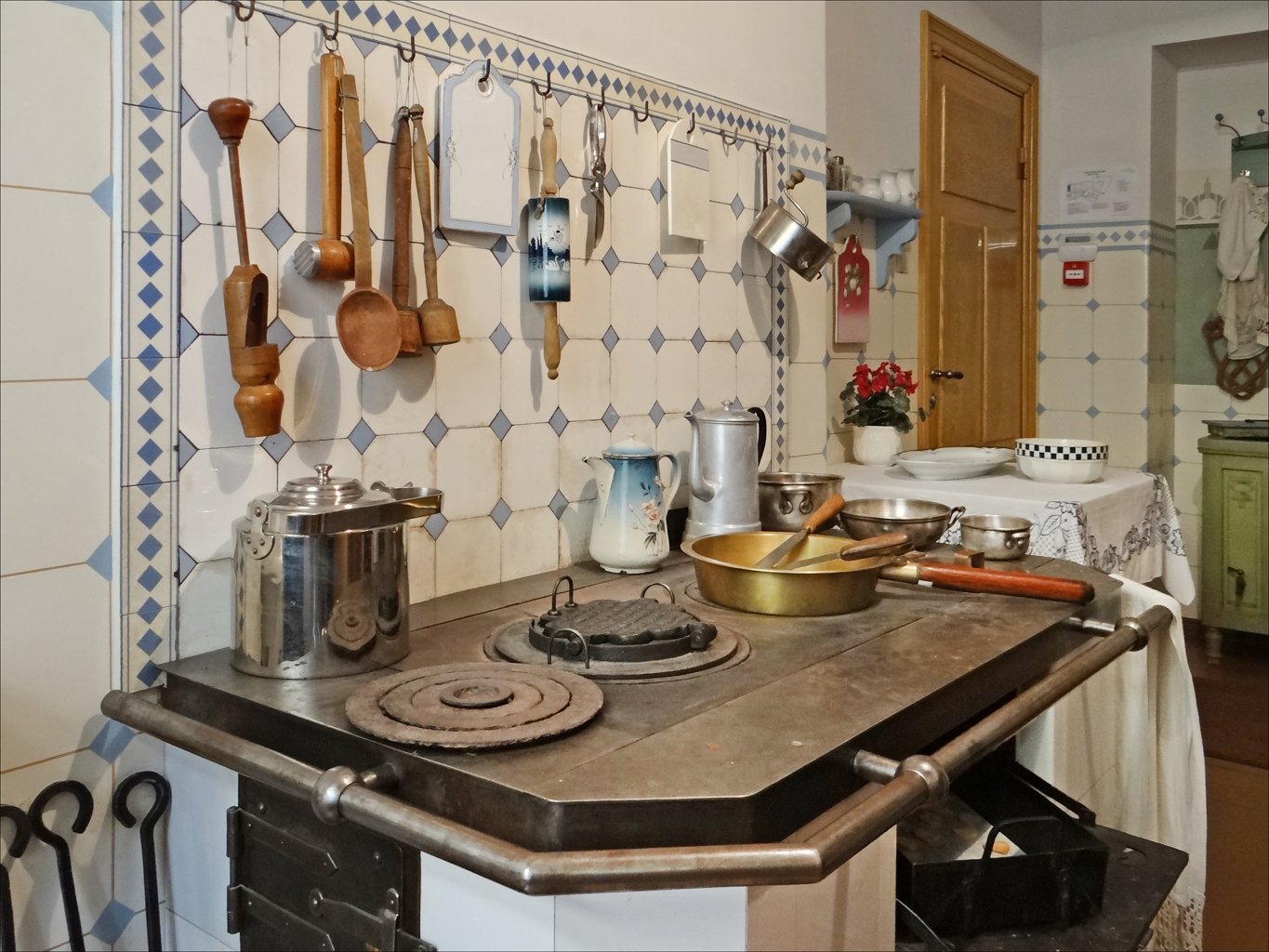
The concept of a dedicated space for cooking predates recorded history, evolving from open-air fires to rudimentary shelters. Early humans likely prepared food near their living spaces, with the hearth serving as the focal point for warmth and communal activity. In ancient Rome, kitchens were often rudimentary, sometimes located in basements or courtyards, with open fires and basic ventilation. The medieval period saw the rise of the great hall in castles, where cooking often occurred in a separate, smoky kitchen wing, with food carried to the hall for consumption. The Renaissance and subsequent centuries brought more specialized kitchen designs in affluent homes, featuring chimneys and improved hearths. The 18th century saw the development of the cast-iron stove, a significant technological leap that offered better control over heat and reduced smoke. By the late 19th and early 20th centuries, the 'modern kitchen' began to take shape, influenced by industrialization and the burgeoning home economics movement, emphasizing efficiency and hygiene.
⚙️ How It Works
At its core, a kitchen functions as a system for food transformation. This involves distinct zones: storage (refrigerators, pantries), preparation (countertops, sinks, cutting boards), cooking (stoves, ovens, microwaves), and cleaning (sinks, dishwashers). The workflow, often visualized as a 'work triangle' connecting the sink, stove, and refrigerator, aims to minimize movement and maximize efficiency. Residential kitchens are typically designed for a single cook or a small family, balancing functionality with aesthetics. Commercial kitchens, on the other hand, are engineered for high-volume output, featuring robust, industrial-grade equipment like commercial ranges, deep fryers, and extensive ventilation systems, all governed by strict food safety regulations like HACCP protocols to ensure public health.
📊 Key Facts & Numbers
The global kitchen market is a colossal industry, with significant growth projected in emerging economies. In the United States alone, homeowners spend an average of $15,000 to $30,000 on kitchen renovations, with high-end remodels easily exceeding $50,000. The average American spends approximately 1.5 hours per day in the kitchen. Globally, over 800 million people still lack access to basic cooking facilities, relying on open fires or rudimentary stoves, contributing to significant indoor air pollution. The dishwasher market, a staple in developed nations, accounts for billions in annual sales, with penetration rates exceeding 75% in some European countries.
👥 Key People & Organizations
While no single individual 'invented' the kitchen, numerous figures have shaped its evolution. Isabella Beeton, through her influential cookbook 'Mrs. Beeton's Book of Household Management' (1861), codified domestic practices and kitchen organization for Victorian households. Catherine Beecher advocated for improved kitchen design and efficiency in the mid-19th century, emphasizing the importance of ergonomics. The development of key appliances involved countless engineers and inventors, from Thomas Edison's early work on electric cooking devices to the modern innovators at companies like Bosch, KitchenAid, and GE Appliances. In the commercial realm, chefs like Auguste Escoffier revolutionized kitchen brigade systems and culinary standards in the late 19th and early 20th centuries.
🌍 Cultural Impact & Influence
The kitchen is arguably the most culturally significant room in a home, serving as the primary site for nurturing, socialization, and the transmission of culinary heritage. It's where family recipes are passed down, where major life events are celebrated with food, and where daily rituals reinforce social bonds. The 'heart of the home' trope is deeply embedded in Western culture, often associated with warmth, comfort, and maternal figures. Globally, kitchen designs and practices vary dramatically, reflecting local ingredients, cooking methods, and social structures, from the communal kitchens of kibbutzim to the bustling street food stalls that often serve as de facto public kitchens. The rise of food television and online recipe platforms has further amplified the kitchen's cultural resonance, turning home cooks into amateur celebrities and elevating cooking to a form of entertainment.
⚡ Current State & Latest Developments
The contemporary kitchen is undergoing rapid transformation driven by smart technology and sustainability concerns. The 'smart kitchen' promises enhanced convenience, energy efficiency, and personalized cooking experiences. Simultaneously, there's a growing emphasis on sustainable design, including energy-efficient appliances, water-saving fixtures, and the use of eco-friendly materials. The COVID-19 pandemic also spurred a renewed focus on home cooking and kitchen functionality, leading to increased demand for home renovation and the adoption of new culinary technologies, as evidenced by the surge in sales for brands like Anova Culinary's sous vide machines.
🤔 Controversies & Debates
The kitchen is a site of persistent debate, particularly concerning labor and gender roles. The 'mental load' of meal planning, grocery shopping, and managing kitchen inventory is often overlooked. Furthermore, the environmental impact of kitchens, from energy consumption of appliances to food waste, is a growing concern. Debates also arise around the ideal kitchen layout and design: open-plan versus closed-off spaces, the efficacy of the 'work triangle' versus more fluid zone-based designs, and the balance between aesthetics and pure functionality. The proliferation of specialized gadgets, from avocado slicers to air fryers, also sparks discussion about necessity versus consumerism.
🔮 Future Outlook & Predictions
The future of the kitchen points towards greater integration of artificial intelligence and robotics. We can anticipate kitchens that not only suggest recipes based on available ingredients and dietary needs but also autonomously prepare meals. Robotic arms may handle complex tasks like chopping and stirring, while advanced sensors monitor food freshness and cooking progress. Sustainability will become even more paramount, with kitchens designed to minimize waste through composting integration and hyper-efficient energy management. The line between residential and commercial kitchens may blur further, with advanced home appliances offering professional-grade capabilities. Expect a rise in modular, adaptable kitchen designs that can reconfigure themselves based on user needs and time of day, potentially powered by smart home technology platforms.
💡 Practical Applications
Kitchens are indispensable for a vast array of practical applications. In residences, they are the primary hub for daily meal preparation, family gatherings, and even informal workspaces. Commercially, they are the engine rooms of the food service industry, enabling restaurants, hotels, and catering businesses to serve millions daily. Hospitals and healthcare facilities rely on kitchens for therapeutic diets and patient nutrition. Educational institutions use kitchens for culinary training programs and to feed students. Even in research settings, specialized kitchens are used for food science experiments, product development by companies like Nestlé, and testing new cooking technologies. The design and efficiency of a kitchen directly impact productivity, safety, and the quality of the food produced.
Key Facts
- Category
- culture
- Type
- topic