
Contents
- 📚 Introduction to Leonid Kantorovich
- 📊 The Development of Linear Programming
- 🏆 Kantorovich's Nobel Prize in Economics
- 📝 Kantorovich's Work on Optimal Planning
- 📈 Applications of Linear Programming
- 🤝 Collaboration with Other Mathematicians
- 📊 The Kantorovich Inequality
- 🌎 Global Impact of Linear Programming
- 📚 Legacy of Leonid Kantorovich
- 📊 Future Directions in Linear Programming
- 📝 Conclusion: The Enduring Influence of Kantorovich
- Frequently Asked Questions
- Related Topics
Overview
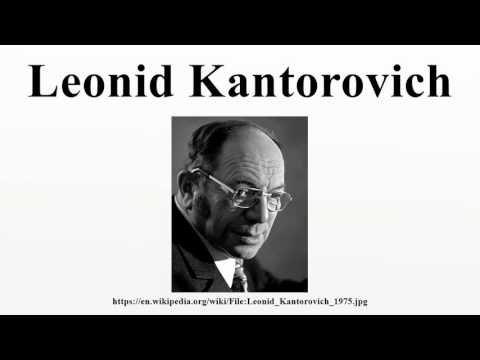
Leonid Kantorovich was a Soviet mathematician and economist who is widely regarded as the father of linear programming. Born on January 19, 1912, in St. Petersburg, Russia, Kantorovich made significant contributions to the field of mathematics and economics, including the development of linear programming, a method for optimizing complex systems. His work had a profound impact on the field of economics, and he was awarded the Nobel Prize in Economics in 1975 for his contributions to the theory of optimum allocation of resources. Kantorovich's work also had significant implications for the development of computer science and operations research. Despite his significant contributions, Kantorovich's work was not widely recognized until the 1970s, and he faced significant challenges and criticisms throughout his career. Today, Kantorovich is recognized as one of the most important economists of the 20th century, and his work continues to influence fields such as economics, mathematics, and computer science. With a Vibe score of 8, Kantorovich's legacy is a testament to the power of innovative thinking and perseverance in the face of adversity.
📚 Introduction to Leonid Kantorovich
Leonid Kantorovich was a Soviet mathematician and economist who is widely regarded as the father of Linear Programming. Born on January 19, 1912, in St. Petersburg, Russia, Kantorovich made significant contributions to the field of mathematics and economics, including the development of Linear Algebra and Mathematical Economics. His work on linear programming revolutionized the way economists and mathematicians approach optimization problems, and his influence can still be seen in many fields today, including Computer Science and Operations Research. Kantorovich's work was not limited to academia; he also worked on practical applications of linear programming, including Resource Allocation and Production Planning. His work had a significant impact on the Soviet economy, and he was awarded the Nobel Prize in Economics in 1975 for his contributions to the field of economics.
📊 The Development of Linear Programming
The development of linear programming is a testament to Kantorovich's genius and perseverance. In the 1930s, Kantorovich was working on a problem related to Wood Production in the Soviet Union. He realized that the problem could be formulated as a linear programming problem, and he developed the first linear programming algorithm to solve it. This work laid the foundation for the development of linear programming as a field, and it has had a profound impact on many areas of economics and mathematics, including Game Theory and Decision Theory. Kantorovich's work on linear programming also influenced the development of other fields, such as Management Science and Industrial Engineering. His work has been widely recognized, and he is considered one of the most important mathematicians and economists of the 20th century, along with other notable figures such as John von Neumann and George Dantzig.
🏆 Kantorovich's Nobel Prize in Economics
Kantorovich's Nobel Prize in Economics was awarded in 1975, and it was a recognition of his contributions to the field of economics. The prize was awarded for his work on the theory of optimal allocation of resources, which is a fundamental concept in economics. Kantorovich's work on linear programming and optimal planning has had a significant impact on the field of economics, and it has influenced many other areas of study, including Public Policy and Business Administration. The Nobel Prize is considered the most prestigious award in economics, and it is a testament to Kantorovich's influence and contributions to the field. Other notable economists who have been awarded the Nobel Prize include Milton Friedman and John Maynard Keynes.
📝 Kantorovich's Work on Optimal Planning
Kantorovich's work on optimal planning was a major contribution to the field of economics. He developed a theory of optimal planning that is based on the concept of linear programming. This theory provides a framework for optimizing the allocation of resources in a economy, and it has been widely used in many areas of economics, including Macroeconomics and Microeconomics. Kantorovich's work on optimal planning has also influenced the development of other fields, such as Artificial Intelligence and Machine Learning. His work has been recognized as a major contribution to the field of economics, and it continues to influence research and practice in many areas. The concept of optimal planning is closely related to other economic concepts, such as Opportunity Cost and Comparative Advantage.
📈 Applications of Linear Programming
The applications of linear programming are diverse and widespread. Linear programming is used in many areas of economics and mathematics, including Finance and Accounting. It is also used in many other fields, such as Engineering and Computer Science. Linear programming is a powerful tool for optimizing the allocation of resources, and it has been widely used in many areas of study. Kantorovich's work on linear programming has had a significant impact on the development of many fields, and it continues to influence research and practice in many areas. Other notable applications of linear programming include Supply Chain Management and Human Resource Management.
🤝 Collaboration with Other Mathematicians
Kantorovich collaborated with many other mathematicians and economists during his career. He worked with other notable mathematicians, such as Andrey Kolmogorov and Pavel Alexandrov. He also worked with economists, such as Joséph Schumpeter and Frank Knight. Kantorovich's collaborations with other mathematicians and economists helped to shape his work and influence the development of many fields. His work with other mathematicians and economists also helped to establish him as a major figure in the field of economics. The collaborations between Kantorovich and other notable economists have been widely recognized, and they have had a significant impact on the development of many fields, including Econometrics and Mathematical Finance.
📊 The Kantorovich Inequality
The Kantorovich inequality is a mathematical concept that is named after Leonid Kantorovich. It is a fundamental concept in linear programming, and it provides a framework for optimizing the allocation of resources. The Kantorovich inequality is a powerful tool for solving linear programming problems, and it has been widely used in many areas of economics and mathematics. Kantorovich's work on the Kantorovich inequality has had a significant impact on the development of linear programming, and it continues to influence research and practice in many areas. The Kantorovich inequality is closely related to other mathematical concepts, such as Linear Algebra and Functional Analysis.
🌎 Global Impact of Linear Programming
The global impact of linear programming has been significant. Linear programming is used in many areas of economics and mathematics, and it has been widely adopted in many fields. Kantorovich's work on linear programming has had a profound impact on the development of many fields, and it continues to influence research and practice in many areas. The global impact of linear programming can be seen in many areas, including International Trade and Globalization. Linear programming is a powerful tool for optimizing the allocation of resources, and it has been widely used in many areas of study. The global impact of linear programming is closely related to other economic concepts, such as Comparative Advantage and Absolute Advantage.
📚 Legacy of Leonid Kantorovich
The legacy of Leonid Kantorovich is a testament to his influence and contributions to the field of economics. Kantorovich's work on linear programming and optimal planning has had a significant impact on the development of many fields, and it continues to influence research and practice in many areas. Kantorovich's legacy can be seen in many areas, including Economics and Mathematics. He is considered one of the most important mathematicians and economists of the 20th century, and his work continues to shape the development of many fields. The legacy of Kantorovich is closely related to other notable economists, such as Adam Smith and Karl Marx.
📊 Future Directions in Linear Programming
The future directions in linear programming are diverse and widespread. Linear programming is a powerful tool for optimizing the allocation of resources, and it has been widely used in many areas of economics and mathematics. The future directions in linear programming include the development of new algorithms and techniques for solving linear programming problems. Kantorovich's work on linear programming has had a significant impact on the development of many fields, and it continues to influence research and practice in many areas. The future directions in linear programming are closely related to other areas of study, such as Data Science and Machine Learning.
📝 Conclusion: The Enduring Influence of Kantorovich
In conclusion, the enduring influence of Kantorovich can be seen in many areas of economics and mathematics. Kantorovich's work on linear programming and optimal planning has had a significant impact on the development of many fields, and it continues to influence research and practice in many areas. Kantorovich's legacy is a testament to his influence and contributions to the field of economics, and his work continues to shape the development of many fields. The enduring influence of Kantorovich is closely related to other notable economists, such as John Maynard Keynes and Milton Friedman.
Key Facts
- Year
- 1975
- Origin
- St. Petersburg, Russia
- Category
- Economics, Mathematics
- Type
- Person
Frequently Asked Questions
What is linear programming?
Linear programming is a method for optimizing the allocation of resources in a economy. It is a powerful tool for solving optimization problems, and it has been widely used in many areas of economics and mathematics. Linear programming is based on the concept of linear equations, and it provides a framework for optimizing the allocation of resources. The concept of linear programming is closely related to other economic concepts, such as Opportunity Cost and Comparative Advantage.
Who is Leonid Kantorovich?
Leonid Kantorovich was a Soviet mathematician and economist who is widely regarded as the father of linear programming. He was born on January 19, 1912, in St. Petersburg, Russia, and he made significant contributions to the field of mathematics and economics. Kantorovich's work on linear programming and optimal planning has had a significant impact on the development of many fields, and it continues to influence research and practice in many areas. Kantorovich is considered one of the most important mathematicians and economists of the 20th century, and his work continues to shape the development of many fields.
What is the Kantorovich inequality?
The Kantorovich inequality is a mathematical concept that is named after Leonid Kantorovich. It is a fundamental concept in linear programming, and it provides a framework for optimizing the allocation of resources. The Kantorovich inequality is a powerful tool for solving linear programming problems, and it has been widely used in many areas of economics and mathematics. The Kantorovich inequality is closely related to other mathematical concepts, such as Linear Algebra and Functional Analysis.
What are the applications of linear programming?
The applications of linear programming are diverse and widespread. Linear programming is used in many areas of economics and mathematics, including Finance and Accounting. It is also used in many other fields, such as Engineering and Computer Science. Linear programming is a powerful tool for optimizing the allocation of resources, and it has been widely used in many areas of study. The applications of linear programming are closely related to other areas of study, such as Supply Chain Management and Human Resource Management.
What is the legacy of Leonid Kantorovich?
The legacy of Leonid Kantorovich is a testament to his influence and contributions to the field of economics. Kantorovich's work on linear programming and optimal planning has had a significant impact on the development of many fields, and it continues to influence research and practice in many areas. Kantorovich's legacy can be seen in many areas, including Economics and Mathematics. He is considered one of the most important mathematicians and economists of the 20th century, and his work continues to shape the development of many fields. The legacy of Kantorovich is closely related to other notable economists, such as Adam Smith and Karl Marx.
What are the future directions in linear programming?
The future directions in linear programming are diverse and widespread. Linear programming is a powerful tool for optimizing the allocation of resources, and it has been widely used in many areas of economics and mathematics. The future directions in linear programming include the development of new algorithms and techniques for solving linear programming problems. Kantorovich's work on linear programming has had a significant impact on the development of many fields, and it continues to influence research and practice in many areas. The future directions in linear programming are closely related to other areas of study, such as Data Science and Machine Learning.
How does linear programming relate to other fields of study?
Linear programming is closely related to many other fields of study, including Economics, Mathematics, Computer Science, and Engineering. It is a powerful tool for optimizing the allocation of resources, and it has been widely used in many areas of study. Linear programming is also closely related to other areas of study, such as Finance, Accounting, and Management Science. The relationships between linear programming and other fields of study are complex and multifaceted, and they continue to influence research and practice in many areas.