
Contents
- 🧺 What Exactly *Is* Liquid Fabric Softener?
- ✨ The Science Behind the Softness (and the Scent)
- 🤔 Who Needs This Stuff Anyway? (And Who Doesn't)
- 💧 How to Actually Use It: The Nitty-Gritty
- 👃 Scent Profiles: From 'Clean Linen' to 'Mysterious Orchid'
- 🌿 Eco-Conscious Options: Can Softness Be Green?
- 💰 Pricing & Value: Is It Worth the Splurge?
- ⚠️ Potential Downsides: What the Marketing Won't Tell You
- 💡 Pro Tips for Maximizing Your Softness Game
- 🆚 Liquid vs. Dryer Sheets: The Age-Old Debate
- 🚀 The Future of Fabric Softening: What's Next?
- Frequently Asked Questions
- Related Topics
Overview
Liquid fabric softeners, a staple in laundry rooms since the mid-20th century, work by depositing positively charged cationic surfactants onto negatively charged fabric fibers. This action reduces static cling, imparts a soft feel, and often adds a signature fragrance. While lauded for their sensory benefits and ease of use compared to older dryer sheets, their environmental impact and potential for residue buildup on machines and fabrics remain points of contention. The market, dominated by giants like Procter & Gamble (Downy) and Unilever (Snuggle), continues to innovate with concentrated formulas and scent-focused marketing, reflecting a persistent consumer desire for a specific tactile and olfactory laundry experience.
🧺 What Exactly *Is* Liquid Fabric Softener?
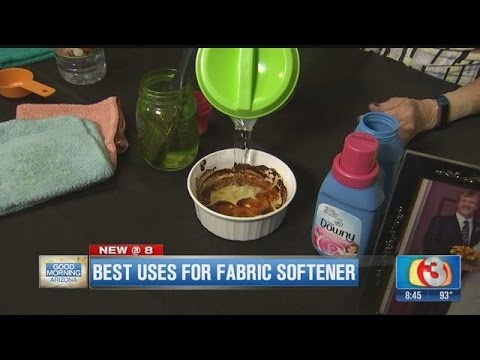
Liquid fabric softener is a laundry additive designed to coat fabric fibers, reducing static cling, increasing softness, and imparting fragrance. Think of it as a conditioner for your clothes, making them feel smoother against your skin and easier to handle post-wash. It's typically added to the washing machine's designated dispenser during the rinse cycle, where it gets distributed evenly. Most major brands like Downy and Snuggle offer a wide array of formulations, from hypoallergenic to intensely scented.
✨ The Science Behind the Softness (and the Scent)
The magic, or rather the chemistry, lies in the cationic surfactants within the liquid. These positively charged molecules are attracted to the negatively charged fabric fibers, forming a thin, lubricating layer. This layer reduces friction between fibers, leading to that coveted soft feel and minimizing static electricity, especially in dry environments. The fragrance component, often a complex blend of aroma chemicals, is then released over time, providing a lasting scent that many consumers associate with cleanliness. The precise chemical compounds vary by brand, but the fundamental principle remains consistent across the laundry detergent aisle.
🤔 Who Needs This Stuff Anyway? (And Who Doesn't)
If you crave that cloud-like feel on your towels, or if your synthetic activewear clings to you like a second skin, liquid fabric softener is likely for you. It's particularly beneficial for natural fibers like cotton, which can become stiff after repeated washing. However, if you have sensitive skin prone to irritation from fragrances or chemicals, or if you prioritize a truly natural laundry process, you might want to steer clear. Certain athletic fabrics and delicate materials can also be negatively impacted, losing their moisture-wicking properties or structural integrity.
💧 How to Actually Use It: The Nitty-Gritty
Using liquid fabric softener is straightforward, but precision matters. Most machines have a dedicated compartment, often marked with a flower or fabric softener symbol. You fill this compartment to the indicated line before starting the wash. The machine automatically dispenses the softener during the final rinse. Overfilling can lead to residue on clothes or in the machine, while adding it directly to the drum with detergent can neutralize its effectiveness. Always check your washing machine's manual for specific instructions regarding fabric softener use.
👃 Scent Profiles: From 'Clean Linen' to 'Mysterious Orchid'
The scent library of liquid fabric softeners is vast, catering to every olfactory preference. Classic 'Clean Linen' and 'Spring Fresh' evoke a sense of pure, crispness, while floral notes like 'Lavender' or 'Rose' aim for a more calming, spa-like experience. For the adventurous, brands offer bolder concoctions such as 'Mysterious Orchid' or 'Amber & Sandalwood,' blending deeper, more complex aromas. Some brands, like Gain, even offer scent boosters that can be used in conjunction with their softeners for an intensified fragrance experience.
🌿 Eco-Conscious Options: Can Softness Be Green?
The quest for eco-friendly fabric softening has led to several innovations. Many brands now offer plant-derived or biodegradable formulations, free from harsh chemicals and artificial dyes. Look for certifications like USDA Certified Biobased Product or EPA Safer Choice. Some consumers opt for natural alternatives like white vinegar (about half a cup in the rinse cycle) or baking soda (half a cup added with detergent) to achieve similar softening and deodorizing effects without synthetic fragrances. The effectiveness of these natural methods can vary, and they typically don't impart a scent.
💰 Pricing & Value: Is It Worth the Splurge?
The cost of liquid fabric softener can range significantly, from budget-friendly store brands costing around $3-$5 for a large bottle to premium, specialty scents or eco-friendly options that can push $8-$10 or more. The 'value' often depends on the concentration and the size of the bottle. Highly concentrated formulas, while pricier upfront, can last longer, potentially offering better cost-per-load. Consider the number of loads a bottle yields when comparing prices, rather than just the sticker price.
⚠️ Potential Downsides: What the Marketing Won't Tell You
Beyond potential skin irritation, fabric softeners can leave a waxy residue on fabrics, reducing absorbency, which is problematic for towels and athletic wear. This residue can also build up in washing machine hoses and filters, potentially leading to odors and reduced machine efficiency over time. Some argue that the chemicals used, while generally considered safe for laundry, contribute to microplastic pollution when washed down the drain. The long-term environmental impact of these synthetic compounds is a subject of ongoing discussion among environmental scientists.
💡 Pro Tips for Maximizing Your Softness Game
To get the most out of your liquid fabric softener, consider these tips: always use the correct dispenser to ensure proper timing during the rinse cycle. For extra softness, you can add a small amount directly to the rinse water if your machine lacks a dispenser, but be cautious of residue. If you're using a high-efficiency (HE) machine, ensure your softener is HE-compatible to prevent oversudsing. For a subtle scent, use less than recommended; for a stronger scent, consider a concentrated formula or a complementary scent booster.
🆚 Liquid vs. Dryer Sheets: The Age-Old Debate
The classic showdown: liquid softener versus dryer sheets. Dryer sheets, used in the dryer, offer similar benefits – reduced static, added softness, and fragrance. They are often seen as more convenient by some, as they require no pre-planning in the wash cycle. However, dryer sheets can also leave residue on dryer lint traps and, like liquids, can impact fabric absorbency. Liquid softeners, when used correctly, tend to offer a more consistent and thorough coating of fibers, and many consumers prefer the scent longevity of liquids. The choice often boils down to personal preference and laundry routine.
🚀 The Future of Fabric Softening: What's Next?
The future of fabric softening is likely to lean into sustainability and advanced scent technology. Expect more biodegradable formulas, plant-based ingredients, and reduced water usage in production. Innovations in microencapsulation could lead to scents that last even longer or are released by specific triggers, like body heat. There's also a growing interest in 'smart' laundry products that can adapt to different fabric types or water conditions, potentially offering tailored softening and care without the environmental trade-offs of current formulations. The debate between efficacy and eco-impact will continue to drive innovation.
Key Facts
- Year
- 1950
- Origin
- United States
- Category
- Home Goods & Consumer Products
- Type
- Product Category
Frequently Asked Questions
Can I use liquid fabric softener on baby clothes?
It's generally recommended to avoid fabric softeners on baby clothes, especially for newborns. Their skin is very sensitive and can be easily irritated by the fragrances and chemicals present in most softeners. Opt for hypoallergenic, fragrance-free detergents and consider natural softening methods like a vinegar rinse if needed. Always check product labels for specific recommendations regarding infant wear.
Will fabric softener ruin my workout clothes?
Yes, it often can. Many fabric softeners coat synthetic fibers, which can clog the pores and reduce their ability to wick moisture away from your body. This defeats the purpose of performance activewear. It's best to avoid fabric softeners altogether for these items and stick to specialized sports detergents or a simple vinegar rinse for odor control.
How do I get rid of fabric softener buildup in my washing machine?
To combat buildup, run an empty hot water cycle with 2 cups of white vinegar added to the drum or dispenser. Follow this with another empty hot water cycle using a washing machine cleaner designed to remove residue. Regularly cleaning the dispenser drawer and checking the machine's filter will also help prevent future buildup.
Is there a difference between regular and HE fabric softener?
Yes, there is a significant difference. HE (High-Efficiency) fabric softeners are formulated to be low-sudsing and are designed specifically for HE washing machines, which use less water. Using regular fabric softener in an HE machine can lead to oversudsing, residue, and potential damage to the machine. Always look for the 'HE' label if you own an HE washer.
Can I use fabric softener on towels?
While fabric softener makes towels feel incredibly soft, it can reduce their absorbency over time by coating the cotton fibers. If softness is your top priority, use fabric softener sparingly or only on select towels. For maximum absorbency, it's often recommended to skip fabric softener altogether and use a vinegar rinse instead.
What are the main ingredients in liquid fabric softener?
The primary active ingredients are cationic surfactants, which carry a positive charge and adhere to negatively charged fabric fibers. Other common ingredients include fragrance compounds, preservatives, colorants, and sometimes silicones or emulsifiers to help distribute the softening agents. The exact formulation varies widely by brand and product line.