
Contents
- 🎵 Origins & History
- ⚙️ How It Works
- 📊 Key Facts & Numbers
- 👥 Key People & Organizations
- 🌍 Cultural Impact & Influence
- ⚡ Current State & Latest Developments
- 🤔 Controversies & Debates
- 🔮 Future Outlook & Predictions
- 💡 Practical Applications
- 📚 Related Topics & Deeper Reading
- Frequently Asked Questions
- References
- Related Topics
Overview
Lobster fishing is a significant aspect of the global fishing industry, targeting various species primarily for their meat, which is highly valued in culinary contexts. While lobsters are fished worldwide, the majority of the catch occurs in temperate waters, with methods ranging from traditional handfishing to modern trapping techniques. Legal restrictions are in place in many regions to combat overfishing and ensure sustainable practices, including minimum size limits and seasonal closures. As lobster populations face pressures from climate change and overfishing, the future of this industry is uncertain, raising questions about sustainability and conservation efforts.
🎵 Origins & History
Lobster fishing has a rich history that dates back to when Native Americans and early European settlers in North America began harvesting this crustacean. The rise of canning technology in the early 20th century further boosted the industry, allowing for longer shelf life and broader distribution. Today, the global lobster market is dominated by species such as the American lobster (Homarus americanus) and the European lobster (Homarus gammarus), with significant contributions from aquaculture as well.
⚙️ How It Works
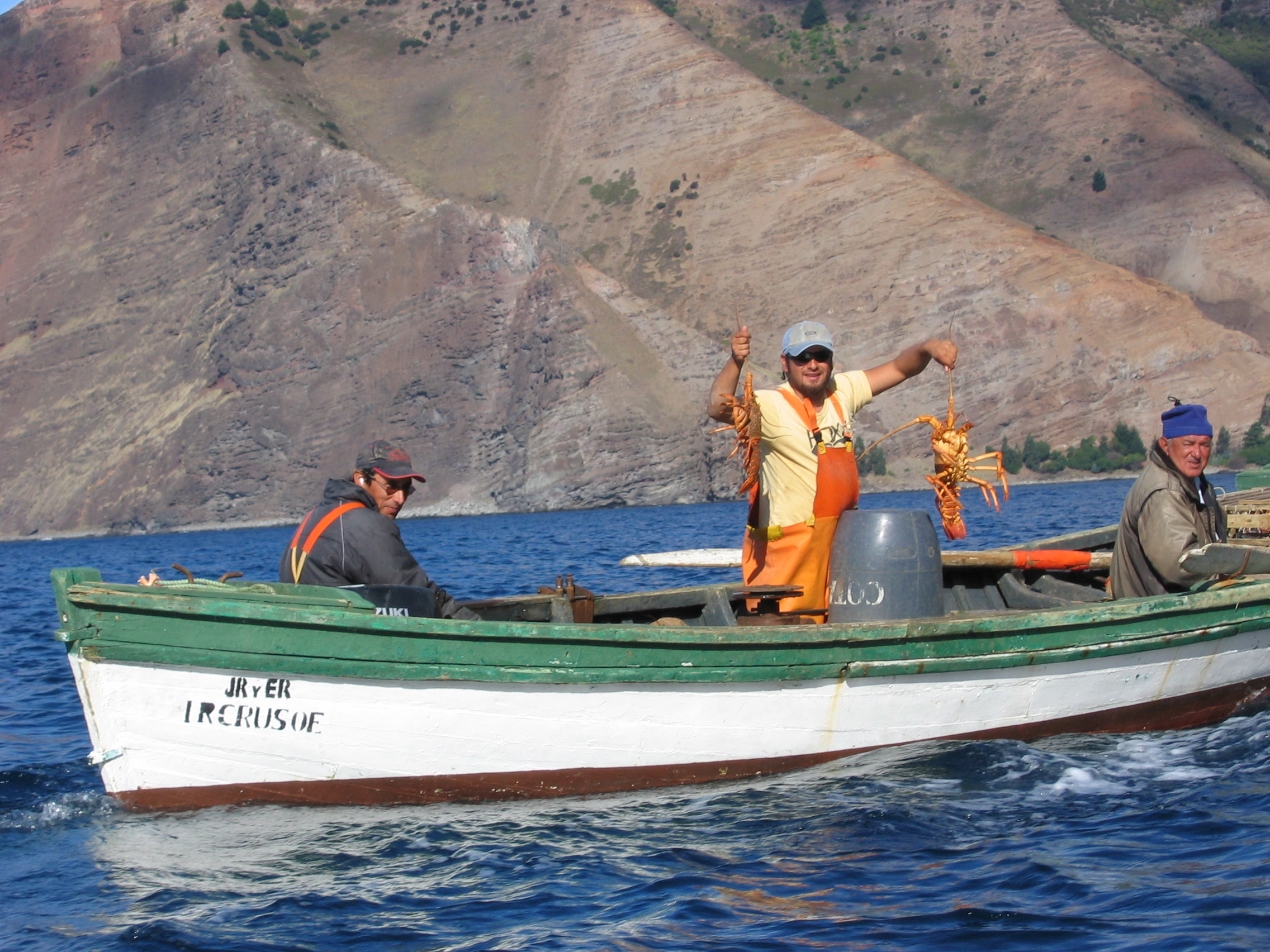
Lobster fishing employs various methods, including traps, handfishing, and spearfishing. Traps, or pots, are the most common method, designed to lure lobsters using bait while preventing their escape. Fishermen often place these traps in designated areas, checking them regularly to collect the catch. Handfishing involves divers manually catching lobsters, typically in shallow waters, while spearfishing is less common but used in some regions. Trawling and netting methods also exist, but they are less selective and can lead to overfishing. Legal regulations, such as minimum size limits and restrictions on catching berried females, are crucial to maintaining sustainable lobster populations and ensuring future harvests.
📊 Key Facts & Numbers
Key figures in the lobster fishing industry include influential organizations such as the Maine Lobster Marketing Collaborative, which promotes sustainable fishing practices and the quality of Maine lobsters. Fishermen like David Cousens, a former president of the Maine Lobstermen's Association, advocate for the rights and sustainability of lobster fisheries. Research institutions such as the University of Maine conduct studies on lobster populations and environmental impacts, providing critical data to inform fishing regulations. Additionally, seafood companies like Lobster Anywhere and Luke's Lobster play significant roles in the supply chain, connecting fishermen to consumers while emphasizing sustainability.
👥 Key People & Organizations
Lobster rolls and other lobster dishes have become iconic, representing coastal culinary traditions. The industry also impacts local economies, with lobster festivals and events celebrating the harvest. However, the cultural resonance of lobster fishing is not without controversy, as overfishing and environmental changes threaten both the species and the livelihoods of those who depend on them. The tension between tradition and sustainability continues to shape the narrative around lobster fishing.
🌍 Cultural Impact & Influence
Controversies surrounding lobster fishing often center on sustainability and environmental impact. Critics argue that certain fishing practices, such as trawling, can lead to habitat destruction and bycatch of non-target species. Additionally, the debate over the ethical treatment of lobsters, particularly in cooking methods, has gained traction, with some advocating for more humane practices. On the other hand, proponents of the industry emphasize the economic benefits and the efforts made toward sustainable fishing practices. The tension between these viewpoints highlights the complexities of balancing economic interests with environmental stewardship.
⚡ Current State & Latest Developments
Looking ahead, the future of lobster fishing will likely be shaped by ongoing environmental changes and regulatory responses. Experts predict that as climate change continues to impact marine ecosystems, lobster populations may further shift, necessitating adaptive management strategies. Innovations in aquaculture and sustainable fishing practices could provide pathways for the industry to thrive while minimizing ecological impacts. The integration of technology, such as tracking systems for lobster populations, may also enhance sustainability efforts. Stakeholders must navigate these challenges to ensure the long-term viability of lobster fishing.
🤔 Controversies & Debates
Lobster fishing has practical applications beyond culinary enjoyment; it plays a crucial role in local economies and ecosystems. The growing interest in aquaculture presents opportunities for innovation in lobster farming, potentially alleviating pressure on wild stocks. As the industry evolves, collaboration among stakeholders will be vital in promoting sustainable practices.
🔮 Future Outlook & Predictions
Related topics include the broader fishing industry, sustainable seafood practices, and the impact of climate change on marine life. Exploring the history of fishing in regions like Maine and Atlantic Canada can provide context for understanding the cultural significance of lobster fishing. Additionally, examining the role of aquaculture in meeting seafood demand and its implications for wild fisheries can offer insights into future trends. For further reading, consider resources from organizations like the Marine Stewardship Council and academic studies on lobster population dynamics.
Key Facts
- Year
- 2024
- Origin
- Global
- Category
- culture
- Type
- phenomenon
Frequently Asked Questions
What are the main methods of lobster fishing?
The primary methods of lobster fishing include traps, handfishing, and spearfishing. Traps are the most common, designed to lure lobsters using bait while preventing their escape. Handfishing involves divers manually catching lobsters, typically in shallow waters, while spearfishing is less common but used in some regions. These methods vary in efficiency.