
Contents
Overview
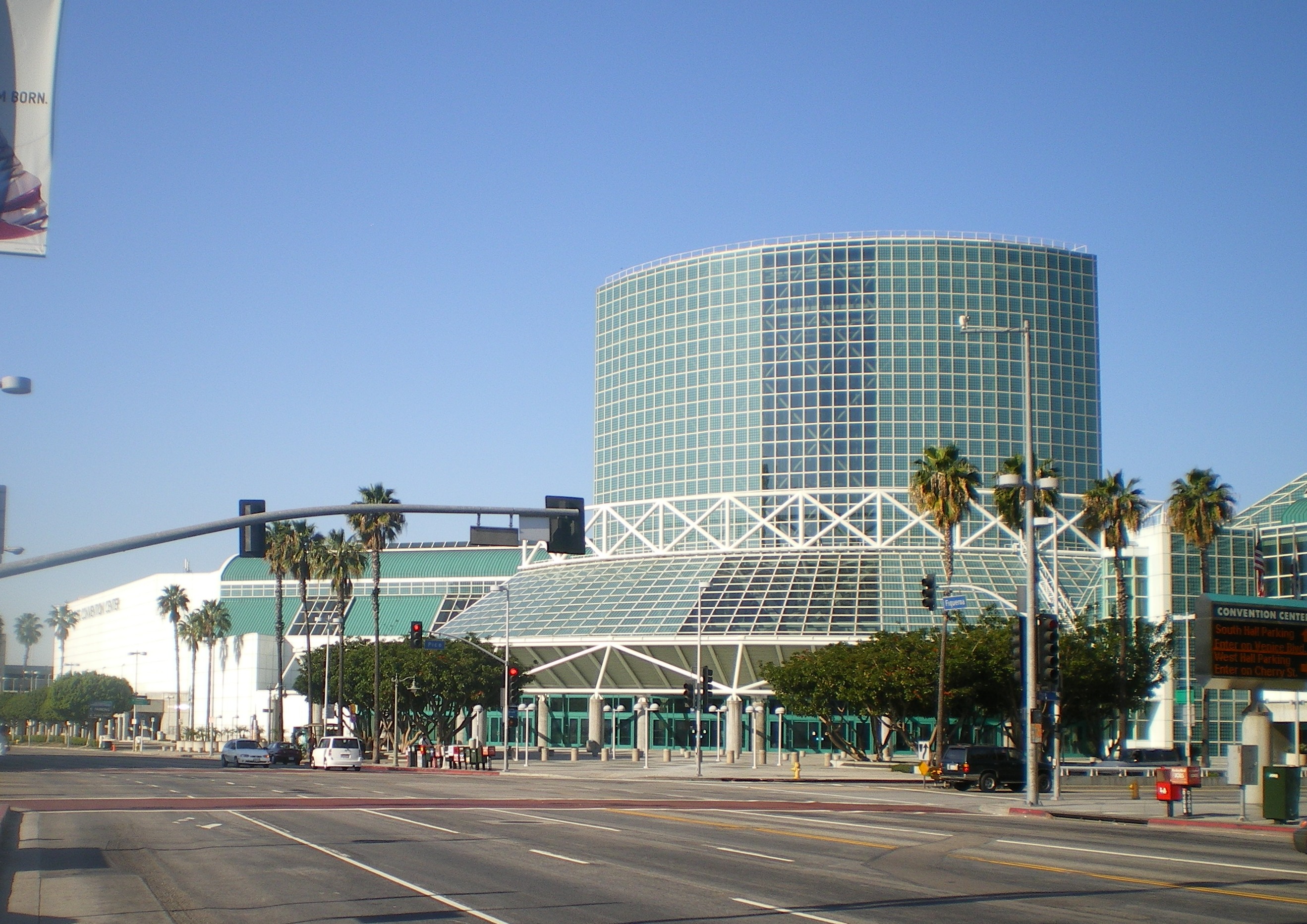
The genesis of the Los Angeles Convention Center can be traced back to the mid-20th century, a period of ambitious urban development in Los Angeles. The initial concept for a large-scale convention facility gained traction in the 1960s, driven by the city's growing status as a global hub. Ground was broken in 1968, and the original structure officially opened its doors in 1971, designed by the architectural firm Welton Becket and Associates. This initial phase established the LACC as a key player in the convention circuit, attracting major national and international gatherings. Over the decades, the center has undergone significant expansions and renovations, most notably a major overhaul completed in 1997, which dramatically increased its exhibition space and modernized its facilities, solidifying its position as a premier event destination.
⚙️ How It Works
The LACC operates as a sophisticated logistical hub, managed by the Los Angeles Convention and Tourism Development Board, a public entity. Its operational framework involves coordinating massive-scale events, from setup and teardown of elaborate trade show booths to managing attendee flow across its multiple halls and meeting rooms. The venue boasts over 770,000 square feet of exhibit space, divided into three main halls, alongside 64 meeting rooms totaling 147,000 square feet. Advanced audiovisual systems, robust Wi-Fi infrastructure, and extensive catering services are integral to its function, ensuring seamless execution for events ranging from the Electronic Entertainment Expo to the Los Angeles Auto Show. The center's design facilitates simultaneous events, with distinct entrances and support services for each, showcasing its capacity for complex, multi-faceted operations.
📊 Key Facts & Numbers
The economic footprint of the Los Angeles Convention Center is staggering. It hosts an average of 350 events annually, attracting an estimated 2.5 million visitors each year. These visitors contribute an estimated $1.2 billion in direct spending to the Los Angeles economy annually, supporting thousands of jobs in hospitality, transportation, and retail sectors. The center's total exhibit space spans 770,000 square feet, with an additional 147,000 square feet of meeting space across 64 rooms. Its prime location near LAX and Union Station facilitates accessibility for its global clientele. The LACC's operational budget is substantial, reflecting the scale of its operations and its significant contribution to the city's revenue.
👥 Key People & Organizations
The Los Angeles Convention Center is overseen by the Los Angeles Tourism & Convention Board, a non-profit organization responsible for marketing and operating the facility. Key figures in its development and ongoing management include past and present board members and executives who have steered its expansion and strategic direction. Architects like Welton Becket and Associates were instrumental in its initial design, while firms involved in later renovations, such as HMC Architects, have shaped its modern form. Major event organizers, including the producers of the Los Angeles Auto Show and the organizers of E3, are critical partners, bringing millions of dollars and global attention to the venue. The City of Los Angeles itself, through its government bodies, plays a crucial oversight role.
🌍 Cultural Impact & Influence
The LACC's cultural resonance extends far beyond its economic impact. It has served as a backdrop for countless films and television shows, from action blockbusters to sci-fi epics, its distinctive architecture becoming synonymous with the grandeur of Los Angeles. It has hosted iconic events like the Grammy Awards ceremonies in their early years and continues to be a central venue for major industry expos like Comic-Con International (though primarily held in San Diego, LACC hosts related events and smaller conventions) and the Los Angeles Times Festival of Books. The center's ability to transform for diverse events, from tech showcases to automotive unveilings, mirrors the multifaceted cultural landscape of Southern California, making it a symbol of the region's dynamism and global reach.
⚡ Current State & Latest Developments
In recent years, the Los Angeles Convention Center has focused on sustainability and technological integration. In 2023, the LACC announced a partnership with AT&T to enhance its 5G network capabilities, aiming to provide superior connectivity for attendees and exhibitors. The center has also made strides in its green initiatives, including a comprehensive waste reduction program and energy-efficient upgrades, aiming to achieve LEED certification. The ongoing evolution of event technology, including virtual and hybrid event solutions, is also a key focus, ensuring the LACC remains competitive in a rapidly changing industry. The center continues to attract major recurring events, such as the LA Art Show, and is actively pursuing new global conventions.
🤔 Controversies & Debates
The Los Angeles Convention Center has not been without its controversies. Debates have frequently arisen regarding its economic impact versus the public funds invested in its upkeep and expansion. Critics often question whether the projected economic benefits truly materialize for the city's residents, particularly concerning the displacement of local businesses and the impact on downtown traffic and infrastructure. Labor disputes with convention center workers and service providers have also surfaced periodically, highlighting tensions between management, unions, and event organizers. Furthermore, the center's role in gentrification and its relationship with the surrounding communities have been subjects of ongoing discussion and activism.
🔮 Future Outlook & Predictions
The future of the Los Angeles Convention Center is intrinsically linked to the evolving landscape of global events and urban development. There is ongoing discussion about potential further expansions or reconfigurations to accommodate emerging event formats, such as large-scale esports tournaments or immersive technology expos. The push for greater sustainability will undoubtedly continue, with potential for more ambitious green building certifications and operational practices. As Los Angeles prepares for major international events, such as a potential bid for the 2032 Olympic Games, the LACC's role as a central venue and logistical hub will be paramount. The challenge lies in balancing its economic imperatives with community needs and environmental responsibilities.
💡 Practical Applications
The Los Angeles Convention Center serves as a critical platform for a vast array of industries and public gatherings. It is the primary venue for the Los Angeles Auto Show, a major global automotive event that sets trends and drives sales. Tech companies frequently utilize its expansive halls for product launches and industry conferences, such as the Information Security Products Association's annual summit. It also hosts significant public events like the LA Art Show, drawing art enthusiasts and collectors from around the world. For film and television productions, its versatile spaces and iconic architecture make it a sought-after filming location, contributing to the visual identity of Los Angeles in popular media.
Key Facts
- Category
- place
- Type
- place