
Contents
Overview
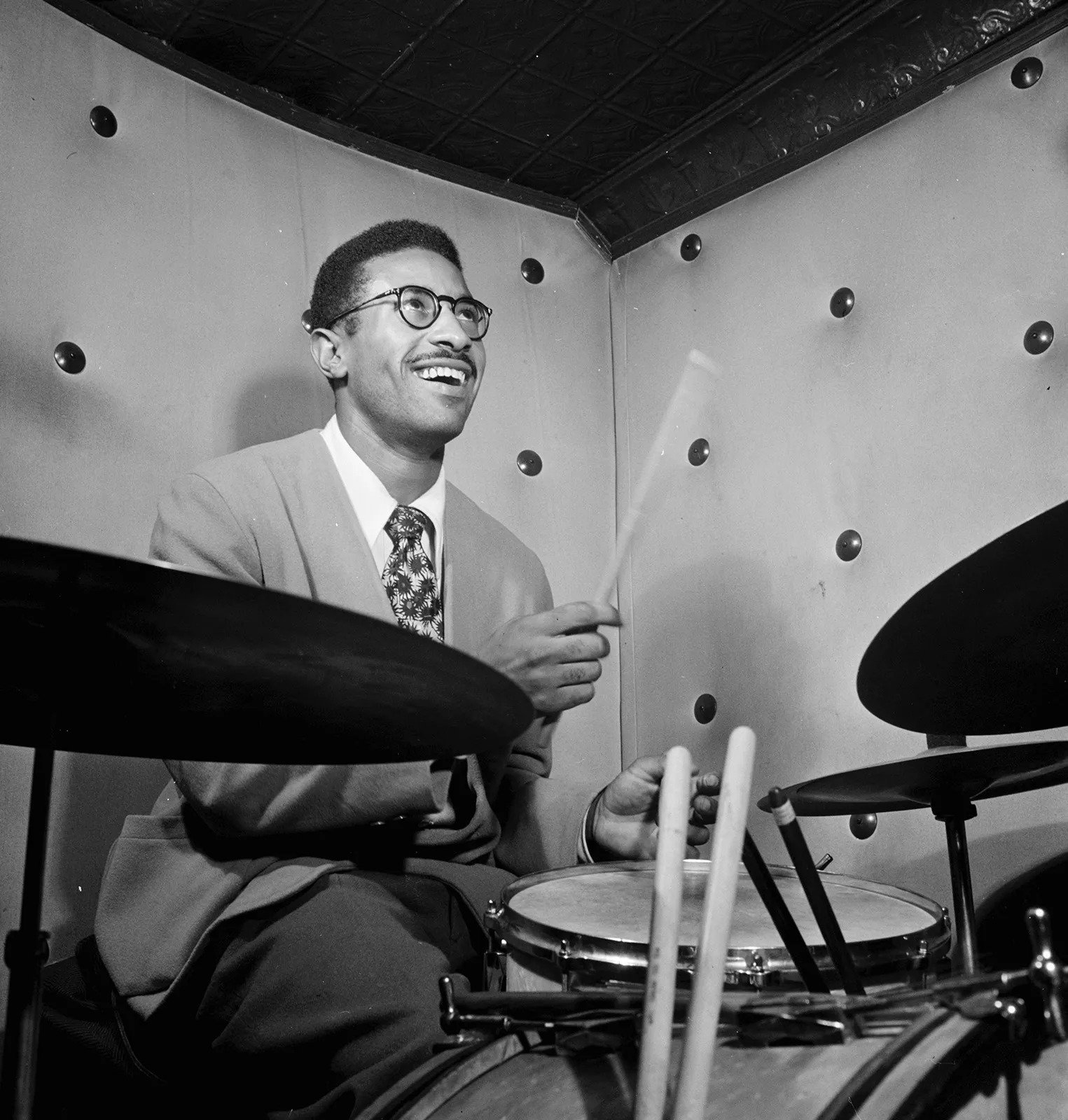
Max Roach (1924-2007) was a towering figure in jazz drumming, a relentless innovator who redefined the instrument's role and pushed the boundaries of rhythm and improvisation. From his early work with bebop pioneers like Charlie Parker and Dizzy Gillespie to his groundbreaking work with Clifford Brown and his own ensembles, Roach's precise, polyrhythmic style and his commitment to social commentary left an indelible mark on music. His drumming was not just accompaniment; it was a conversation, a driving force that challenged listeners and fellow musicians alike. He was a composer, bandleader, and activist, consistently using his platform to advocate for civil rights and explore Black identity through his art.
🥁 The Beat That Defined a Generation
Max Roach (1924-2007) wasn't just a drummer; he was a architect who fundamentally reshaped jazz and beyond. Emerging in the bebop era, Roach's innovations moved beyond mere timekeeping, transforming the drum set into a melodic and compositional instrument. His signature style, characterized by precise articulation, intricate polyrhythms, and an uncanny ability to interact with soloists, set a new standard for jazz drummers. He was a pivotal figure in the jazz drumming, influencing countless musicians across genres.
🎶 Essential Listening: Where to Start
For newcomers, the journey into Max Roach's discography should begin with his seminal work. The 1954 album, Clifford Brown and Max Roach, is an absolute cornerstone, showcasing the explosive chemistry between Roach and the tragically short-lived trumpeter. Another essential is 1956's Study in Brown, which further cemented their legendary status. For a taste of his more politically charged work, 1960's We Insist! Freedom Now Suite is a powerful and essential listen, demonstrating his commitment to social justice through music.
💥 Max Roach vs. The Establishment
Roach was never content to simply play the music; he used his platform to challenge the status quo. His work, particularly during the Civil Rights Movement, was overtly political. Albums like We Insist! Freedom Now Suite (1960) and Drums Unlimited (1966) directly addressed issues of racial inequality and Black liberation. This stance often put him at odds with the more conservative elements of the music industry, but it solidified his reputation as an artist with a conscience and a voice for the voiceless.
💡 The Drummer as Composer
Beyond his virtuosic drumming, Roach was a profound composer and bandleader. He didn't just provide a rhythmic foundation; he orchestrated entire pieces, using the drums to articulate melodic lines and harmonic structures. His concept of the drum solo evolved from a percussive interlude to a fully realized musical statement. This approach, evident in tracks like 'The Drum Also Waltzes' from Drums Unlimited, demonstrated his sophisticated understanding of musical form and texture.
🌍 Global Influence & Legacy
Max Roach's influence extends far beyond the confines of jazz. His rhythmic innovations and compositional approach have resonated with musicians in hip-hop, funk, and contemporary classical music. The intricate layering and call-and-response patterns in his work can be heard echoed in the sampling techniques of early hip-hop producers and the complex rhythmic structures of modern electronic music. His legacy is a testament to the universal language of rhythm and its power to transcend genre boundaries.
🎤 Collaborations That Mattered
Throughout his career, Roach collaborated with an astonishing array of musical giants. His partnerships with trumpeter Clifford Brown produced some of the most celebrated recordings of the 1950s. He also worked extensively with alto saxophonist Charlie Parker, pianist Bud Powell, and vocalist Abbey Lincoln, with whom he created the groundbreaking We Insist! Freedom Now Suite. These collaborations highlight his versatility and his ability to elevate every musical context he entered.
📚 Further Exploration
To truly grasp Max Roach's impact, exploring his extensive discography is key. Beyond the essential albums, consider The Best of Max Roach for a broad overview, or explore his later works like Chattanooga Choo Choo (1970) for his genre-bending experiments. Reading Max Roach: It's Time by Larry Reni Thomas offers deep biographical and analytical insights. For a visual understanding, documentaries on jazz history often feature his groundbreaking performances.
🚀 The Future of Roach's Rhythms
The enduring power of Max Roach's music lies in its timeless relevance. His rhythmic vocabulary continues to inspire new generations of musicians seeking to push the boundaries of their respective genres. As technology evolves and new sonic landscapes emerge, the fundamental principles of rhythm and improvisation that Roach championed remain central. The question isn't whether his influence will continue, but rather how artists will reinterpret and build upon his legacy in the decades to come.
Key Facts
- Year
- 1924
- Origin
- Newland, North Carolina
- Category
- Music
- Type
- Person
Frequently Asked Questions
What is Max Roach most famous for?
Max Roach is most famous for being a pioneering jazz drummer and composer who was instrumental in the development of bebop and hard bop. His innovative approach to drumming transformed the instrument from a timekeeping device into a melodic and compositional voice. He's also celebrated for his politically charged music, particularly his work during the Civil Rights Movement.
What are Max Roach's most important albums?
Key albums include 'Clifford Brown and Max Roach' (1954), 'Study in Brown' (1956), and the politically potent 'We Insist! Freedom Now Suite' (1960). 'Drums Unlimited' (1966) is also highly regarded for showcasing his compositional and soloing prowess.
How did Max Roach influence other musicians?
Roach's precise articulation, complex polyrhythms, and interactive drumming style set a new standard for jazz drummers. His influence extends beyond jazz, with his rhythmic concepts and compositional approach impacting funk, hip-hop, and contemporary music artists who admire his innovative use of rhythm and percussion.
Was Max Roach involved in the Civil Rights Movement?
Yes, Max Roach was deeply involved in the Civil Rights Movement. He used his music as a form of protest and social commentary, most notably on albums like 'We Insist! Freedom Now Suite.' He believed in using his art to advocate for racial justice and equality.
What was Max Roach's signature drumming style?
His signature style involved a highly melodic and interactive approach to the drum set. He was known for his crisp snare work, innovative use of the ride cymbal, and his ability to create complex rhythmic dialogues with soloists, moving beyond simple accompaniment to become an integral part of the musical conversation.