
Contents
Overview
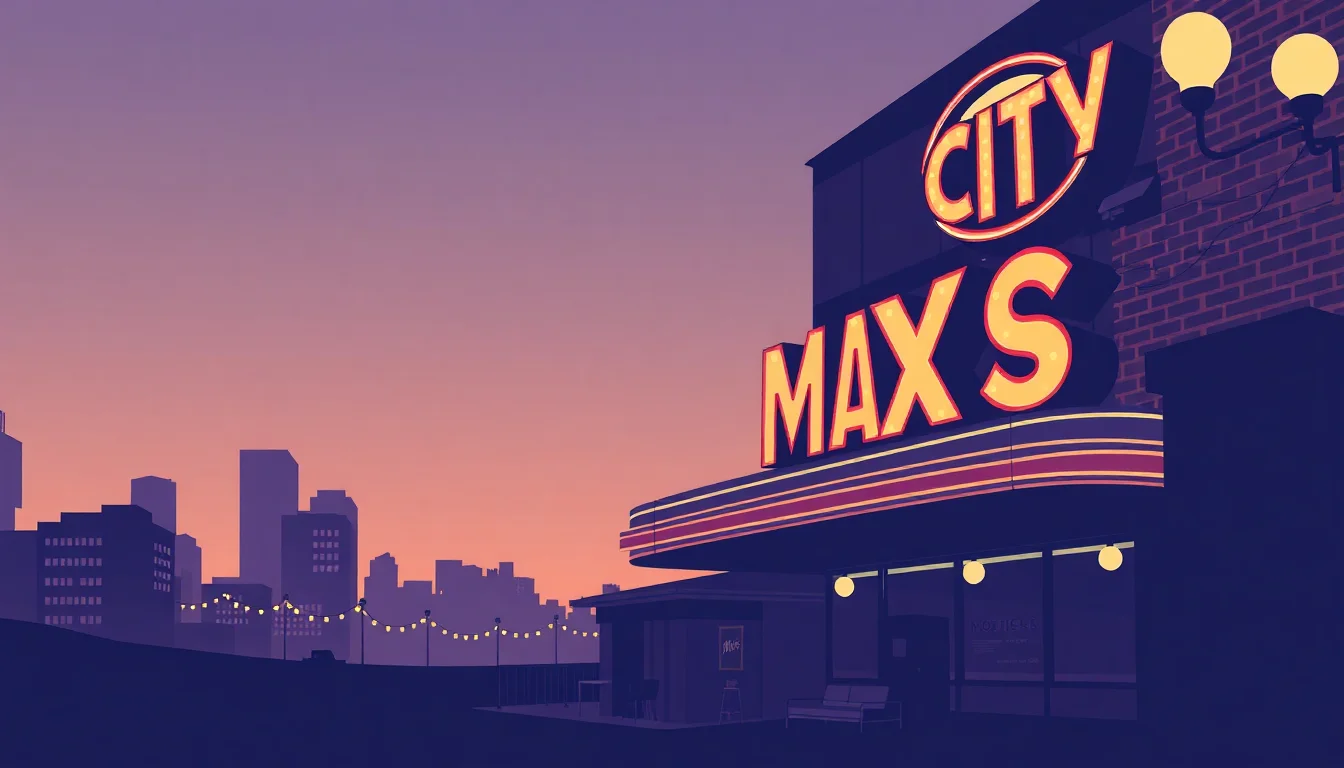
Max's Kansas City, operating from 1974 to 1981, was more than just a nightclub; it was a crucible of downtown New York's burgeoning art, music, and fashion scenes. Situated at 213 Park Avenue South, it served as a vital nexus where the avant-garde could convene, perform, and collide. Its legendary status is cemented by its role as a launching pad for numerous influential artists and bands who defined the post-punk and New Wave movements.
More than a stage, Max's was a social ecosystem. The back room, a legendary art gallery and performance space, hosted experimental theater, film screenings, and art exhibitions, fostering a cross-pollination of creative disciplines. This integrated approach to culture, where music and visual arts were not segregated but celebrated together, was a hallmark of the era and Max's unique contribution. It wasn't just a place to see a band; it was a place to be part of a scene, a fact amplified by its proximity to the artist lofts and galleries of SoHo and the East Village.
The venue's brief but intense lifespan saw it become synonymous with a particular brand of gritty, intellectual, and often provocative New York cool. Its legacy is not just in the music that was played, but in the very vibe it cultivated – a raw, unpolished energy that continues to resonate in underground culture today. While its physical existence was fleeting, the cultural imprint of Max's Kansas City remains indelible, a touchstone for understanding the creative explosion of late 20th-century New York.
Origins and Vision
Founded by Peter Lamphere and Mickey Ruskin, Max's Kansas City quickly established itself as the epicenter of New York's downtown scene. Ruskin, already a figure in the art world, envisioned a space that bridged the gap between artists, musicians, and the bohemian elite. The club's aesthetic was deliberately raw and unpretentious, a stark contrast to the slicker establishments uptown. It was here that artists like Andy Warhol and Jean-Michel Basquiat were regulars, their presence lending an undeniable cachet to the proceedings. The very air in Max's seemed charged with creative possibility, a feeling amplified by the diverse clientele that included poets, filmmakers, fashion designers, and, of course, musicians.
Musical Incubator
The musical acts that graced the stage at Max's were as eclectic as the crowd. It became a crucial incubator for the nascent punk rock and new wave scenes. Bands like The Velvet Underground (though their heyday predated Max's opening, their influence was palpable), Television, Talking Heads, Blondie, Patti Smith Group, and The Ramones all performed early, formative shows there. These performances were often less about polished musicianship and more about raw energy, lyrical experimentation, and a confrontational stage presence. The club also attracted significant international talent, solidifying its reputation as a global hub for cutting-edge music. The intimate setting meant audiences were often just feet away from artists pushing sonic boundaries, creating an electric, almost participatory, experience.
Art and Performance Nexus
Beyond its musical significance, Max's Kansas City was deeply intertwined with the visual arts. The back room, managed by Sally Gooden, functioned as a gallery showcasing works by artists who were also patrons of the club. This integration of art and music was a radical concept for its time. It meant that a patron could catch a performance by John Cale one night and see an exhibition by Robert Mapplethorpe the next, all under the same roof. This interdisciplinary approach fostered a unique creative cross-pollination, influencing the aesthetics of the bands and the conceptual underpinnings of the art. The club's very design, with its exposed brick and utilitarian furniture, reflected this no-frills, art-first ethos.
Enduring Legacy
The legacy of Max's Kansas City is immeasurable. It represents a pivotal moment in the development of alternative culture in New York City and beyond. The bands that emerged from its scene went on to achieve international fame, popularizing genres that would dominate the charts and influence countless subsequent artists. The club's model of fostering a multidisciplinary creative community also serves as an enduring inspiration for contemporary art spaces and performance venues. While Max's closed its doors in 1981, its spirit endures in the ongoing legacy of the artists it championed and the vibrant, experimental culture it helped to define. Its story is a crucial chapter in understanding the evolution of post-punk and the broader trajectory of American underground music and art.
Key Facts
- Year
- 1974-1981
- Origin
- New York City, New York
- Category
- music
- Type
- venue
Frequently Asked Questions
When did Max's Kansas City originally close?
Max's Kansas City originally closed its doors in 1981. The venue struggled with financial difficulties and rising rents, which were common challenges for many independent cultural spaces in New York City during that era. Its closure marked the end of an era for many artists and musicians who considered it a second home.
Was Max's Kansas City only a music venue?
No, Max's Kansas City was much more than just a music venue. While it became legendary for hosting seminal punk and new wave bands, it was also a significant hub for visual artists, writers, poets, and filmmakers. The space fostered a multidisciplinary creative environment where different art forms intersected and influenced each other.
Who were some of the famous people who frequented Max's Kansas City?
A veritable who's who of the downtown art and music scene frequented Max's. This included figures like Andy Warhol, Patti Smith, Debbie Harry and Blondie, Iggy Pop, Lou Reed, and members of the Ramones. The venue attracted a diverse crowd of artists, musicians, writers, and bohemian types who contributed to its vibrant atmosphere.
What kind of music was typically played at Max's Kansas City?
Max's Kansas City was most famously associated with the punk and new wave movements, hosting iconic performances by bands like the Ramones and Blondie. However, the programming was diverse, also featuring post-punk, experimental, and spoken word performances. The music reflected the eclectic and boundary-pushing nature of the downtown art scene.
Is there a modern-day equivalent to Max's Kansas City?
While no single venue perfectly replicates the unique historical context and cultural impact of Max's Kansas City, its spirit lives on in various contemporary spaces. Look for smaller, independent music clubs and art spaces in cities like New York, London, or Berlin that prioritize emerging artists and foster a sense of community. Venues that host a mix of music, art, and performance often carry a similar torch.
What was the significance of the name 'Max's Kansas City'?
The name 'Max's Kansas City' was a deliberate choice by its founder, Mickey Ruskin. It aimed to evoke a sense of being a 'Kansas City' in the heart of New York City, suggesting a place that was both central and perhaps a bit out of the ordinary, a destination for those seeking something beyond the mainstream. It also hinted at a Midwestern sensibility meeting the urban grit of New York.