
Contents
- 👨⚕️ Introduction to Medical Professionals
- 📍 Types of Medical Professionals
- 💼 Education and Training
- 🏥 Work Environment
- 💸 Career Outlook and Salary
- 📈 Comparison with Similar Professions
- 🤝 Practical Tips for Aspiring Medical Professionals
- 📊 How to Get Started
- 📚 Continuing Education and Professional Development
- 👥 Professional Organizations and Networking
- 📞 Making Contact and Finding Job Opportunities
- Frequently Asked Questions
- Related Topics
Overview
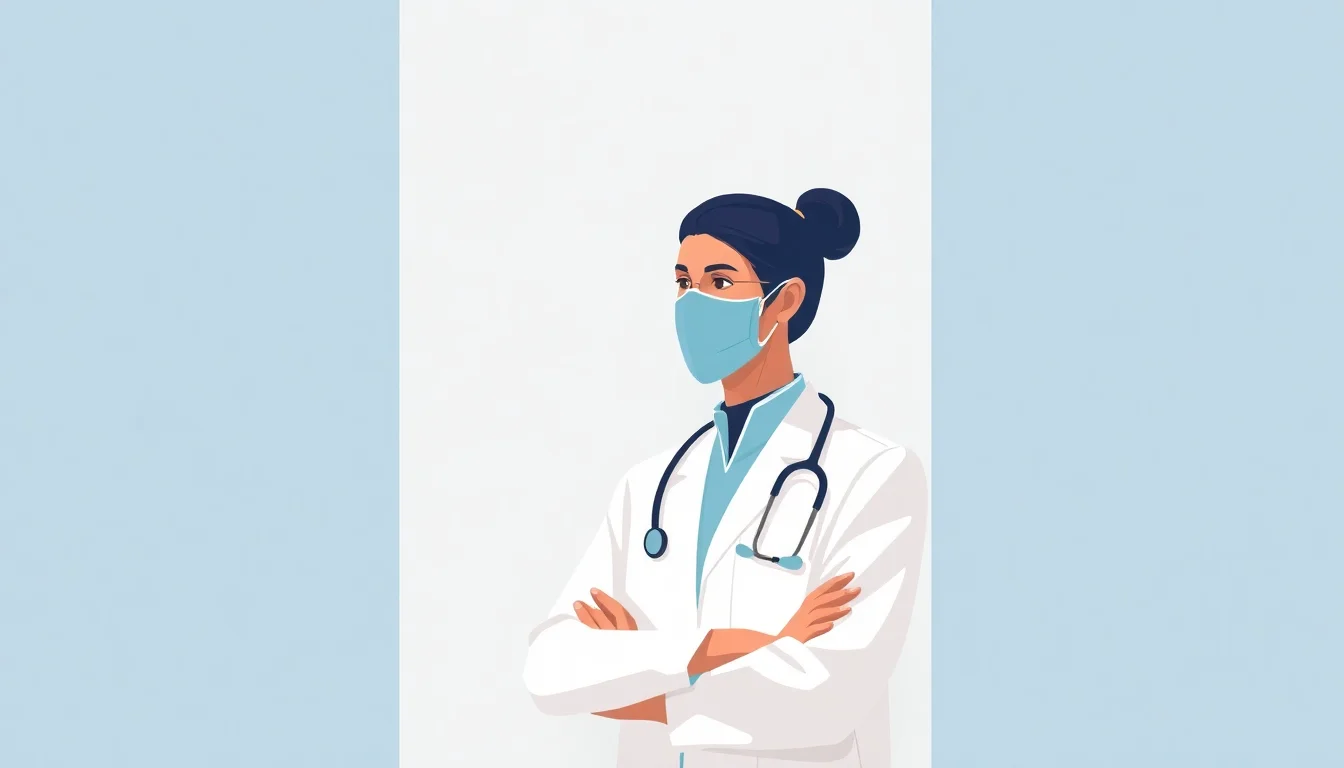
Medical professionals are highly trained individuals who provide essential healthcare services to patients. They include doctors, nurses, dentists, and other specialists who work together to diagnose, treat, and prevent various health conditions. With a strong foundation in science and compassion, medical professionals play a vital role in improving patient outcomes and advancing medical knowledge. According to the World Health Organization (WHO), there are over 22 million medical professionals worldwide, with the United States alone having more than 1.1 million active physicians as of 2022. The demand for skilled medical professionals is expected to rise due to an aging population and an increased focus on healthcare. As of 2022, the global healthcare market was valued at over $11.9 trillion, with an anticipated growth rate of 7.1% from 2023 to 2030, driven in part by the contributions of medical professionals.
👨⚕️ Introduction to Medical Professionals
Medical professionals are highly trained individuals who provide essential healthcare services to patients. They work in a variety of settings, including hospitals, clinics, and private practices, and are responsible for diagnosing and treating illnesses, as well as providing preventive care and health education. Healthcare systems rely heavily on medical professionals to deliver high-quality patient care. To become a medical professional, one must undergo extensive medical education and training, which can include earning a degree in a field such as nursing or medicine. Medical professionals must also stay up-to-date with the latest advancements in their field through continuing education and professional development.
📍 Types of Medical Professionals
There are many different types of medical professionals, each with their own unique role and responsibilities. For example, physicians are medical doctors who diagnose and treat illnesses, while nurses provide hands-on patient care and support. Other types of medical professionals include pharmacists, dentists, and physical therapists. Each of these professionals plays a vital role in the healthcare system and works together to provide comprehensive patient care. Healthcare teams are essential in delivering high-quality patient care, and medical professionals must be able to work effectively in these teams to provide the best possible outcomes for patients.
💼 Education and Training
To become a medical professional, one must undergo extensive education and training. This can include earning a degree in a field such as medicine or nursing, as well as completing residency programs or other forms of hands-on training. Medical professionals must also obtain medical licenses and certifications to practice in their field. Medical schools and nursing schools provide the foundation for a career in medicine, and students can choose from a variety of programs to suit their interests and career goals. Healthcare administration is also an important aspect of the healthcare system, and medical professionals must be aware of the administrative aspects of healthcare to provide effective patient care.
🏥 Work Environment
Medical professionals work in a variety of settings, including hospitals, clinics, and private practices. They may work in emergency medicine, primary care, or specialty care, and may be required to work long hours, including nights and weekends. Hospital administration is responsible for overseeing the day-to-day operations of hospitals, and medical professionals must work closely with hospital administrators to provide high-quality patient care. Healthcare policy is also an important aspect of the healthcare system, and medical professionals must be aware of the policies and regulations that govern their practice.
💸 Career Outlook and Salary
The career outlook for medical professionals is strong, with many fields experiencing high demand and competitive salaries. For example, physician assistants and nurse practitioners are in high demand, and can earn salaries ranging from $100,000 to over $200,000 per year. Medical research is also a growing field, and medical professionals can pursue careers in research to advance our understanding of diseases and develop new treatments. Healthcare management is also an important aspect of the healthcare system, and medical professionals must be aware of the management aspects of healthcare to provide effective patient care.
📈 Comparison with Similar Professions
Medical professionals can be compared to other healthcare workers, such as healthcare administrators and health informatics specialists. While these professionals play important roles in the healthcare system, they may not require the same level of education and training as medical professionals. Healthcare consulting is also a growing field, and medical professionals can pursue careers in consulting to help healthcare organizations improve their operations and provide high-quality patient care. Medical tourism is also an important aspect of the healthcare system, and medical professionals must be aware of the opportunities and challenges presented by medical tourism.
🤝 Practical Tips for Aspiring Medical Professionals
For those aspiring to become medical professionals, it is essential to gain as much experience as possible in the field. This can include volunteering at hospitals or clinics, shadowing medical professionals, and completing internships or fellowships. Medical school admissions can be highly competitive, and applicants must have a strong foundation in sciences and mathematics. Nursing school admissions also require a strong foundation in sciences and mathematics, and applicants must be able to demonstrate their commitment to the nursing profession.
📊 How to Get Started
To get started on a career as a medical professional, one should research the different types of medical professionals and the education and training required for each field. It is also essential to gain as much experience as possible in the field and to stay up-to-date with the latest advancements in healthcare. Healthcare news and medical journals are excellent resources for staying current with the latest developments in healthcare. Medical conferences and healthcare workshops are also excellent opportunities for medical professionals to learn about new developments and network with other professionals in the field.
📚 Continuing Education and Professional Development
Medical professionals must complete continuing education and professional development courses to stay current with the latest advancements in their field. This can include attending medical conferences, completing online courses, and participating in workshops and seminars. Healthcare leadership is also an important aspect of the healthcare system, and medical professionals must be aware of the leadership aspects of healthcare to provide effective patient care. Medical ethics is also an important aspect of the healthcare system, and medical professionals must be aware of the ethical principles that guide their practice.
👥 Professional Organizations and Networking
Medical professionals can join professional organizations, such as the American Medical Association or the American Nursing Association, to network with other professionals and stay up-to-date with the latest developments in their field. Healthcare networking is an important aspect of the healthcare system, and medical professionals must be able to network effectively with other professionals to provide high-quality patient care. Medical mentorship is also an important aspect of the healthcare system, and medical professionals must be able to mentor and support other professionals in their practice.
📞 Making Contact and Finding Job Opportunities
To make contact with medical professionals or to find job opportunities, one can search online for job listings or contact professional organizations directly. Healthcare job listings can be found on a variety of websites, including healthcare job boards and professional association websites. Medical professional networks are also excellent resources for finding job opportunities and networking with other professionals in the field.
Key Facts
- Year
- 2022
- Origin
- Ancient Civilizations
- Category
- Health and Medicine
- Type
- Occupation
Frequently Asked Questions
What is a medical professional?
A medical professional is a highly trained individual who provides essential healthcare services to patients. They work in a variety of settings, including hospitals, clinics, and private practices, and are responsible for diagnosing and treating illnesses, as well as providing preventive care and health education. Medical professionals include physicians, nurses, pharmacists, dentists, and physical therapists, among others.
What education and training is required to become a medical professional?
The education and training required to become a medical professional vary depending on the specific field. However, most medical professionals require a degree in a field such as medicine or nursing, as well as completion of residency programs or other forms of hands-on training. Medical professionals must also obtain medical licenses and certifications to practice in their field.
What is the career outlook for medical professionals?
The career outlook for medical professionals is strong, with many fields experiencing high demand and competitive salaries. For example, physician assistants and nurse practitioners are in high demand, and can earn salaries ranging from $100,000 to over $200,000 per year.
How can I get started on a career as a medical professional?
To get started on a career as a medical professional, one should research the different types of medical professionals and the education and training required for each field. It is also essential to gain as much experience as possible in the field and to stay up-to-date with the latest advancements in healthcare.
What professional organizations can medical professionals join?
Medical professionals can join professional organizations, such as the American Medical Association or the American Nursing Association, to network with other professionals and stay up-to-date with the latest developments in their field.
How can I find job opportunities as a medical professional?
To find job opportunities as a medical professional, one can search online for job listings or contact professional organizations directly. Healthcare job listings can be found on a variety of websites, including healthcare job boards and professional association websites.
What is the importance of continuing education and professional development for medical professionals?
Continuing education and professional development are essential for medical professionals to stay current with the latest advancements in their field. This can include attending medical conferences, completing online courses, and participating in workshops and seminars.